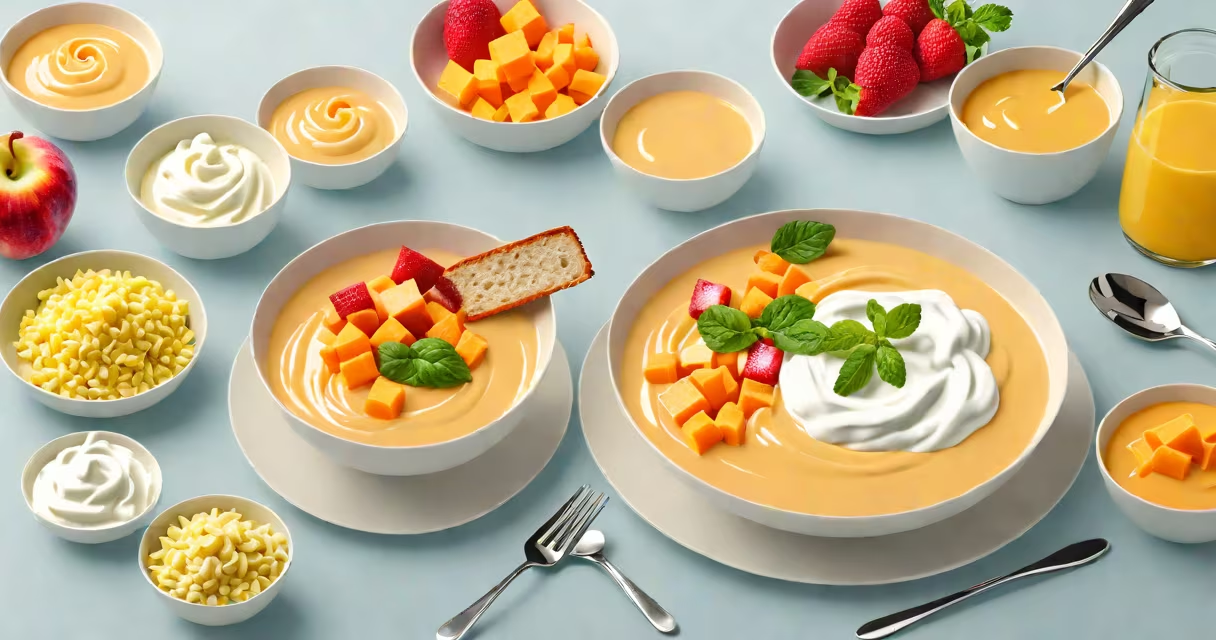
After wisdom teeth removal, consume soft, cool, and non-irritating foods to protect the surgical site and support healing. Avoid crunchy, spicy, or hot items during the first 24-72 hours to reduce bleeding risk and prevent dry socket.
Healing begins immediately after surgery. The blood clot that forms in each extraction site must remain undisturbed to prevent infection and pain. Foods that require vigorous chewing or are too hot can dislodge the clot. The American Dental Association (ADA) recommends avoiding straws, alcohol with wisdom teeth removal, and hard or sticky foods during early recovery.
Most patients start with liquids and progress to pureed or soft solids within 24 hours. By day 3, many can tolerate slightly thicker textures. Full return to normal eating typically takes 7-10 days, depending on individual healing speed and surgical complexity.
Soft foods minimize mechanical stress on the extraction sites. Chewing requires jaw movement, which increases blood flow and swelling. Limiting jaw motion reduces discomfort and lowers the chance of reopening sutures or dislodging clots.
Nutrition matters. Protein aids tissue repair. Iron supports red blood cell regeneration. Vitamins C and A improve collagen formation and immune function. A diet rich in these nutrients speeds recovery and lowers infection risk.
For example, a study published in the Journal of Oral and Maxillofacial Surgery found that patients who consumed adequate protein and vitamin C during the first week had lower rates of postoperative complications, including dry socket and delayed healing.
Choose foods that are easy to swallow, require minimal chewing, and are not temperature extremes. Cold or room-temperature meals reduce swelling and numb pain. Warm foods may increase blood flow and discomfort.
Examples include:
These foods avoid common pitfalls: they don't leave particles behind, don't require biting, and aren't abrasive. For instance, a patient who ate chunky tomato soup developed a piece of pulp lodged in a socket, leading to localized inflammation and prolonged pain.
Many people assume "soft" means "any mushy food." That's incorrect. Sticky, fibrous, or gritty foods can damage the clot. Avoid:
A common error is reintroducing solid foods too soon. One patient ate a banana on day 2 and reported intense pain and visible clot displacement. The ADA warns against resuming normal diets until the dentist confirms healing.
Another misconception: drinking through a straw. Even sipping through a straw increases pressure in the mouth, which can dislodge the clot. This is why dentists advise using a cup or bottle instead.
Recovery follows a predictable pattern. Most patients begin with clear liquids (water, broth) on day 1. By day 2, they move to pureed or blended meals. On day 3, soft solids like scrambled eggs or oatmeal are acceptable.
By day 5, many can handle mild textures such as cooked pasta or mashed beans. By day 7-10, most resume regular eating, though some avoid very spicy or crunchy foods for up to two weeks.
Use this timeline as a guide, but adjust based on symptoms. If pain persists beyond 48 hours or swelling worsens, contact your surgeon. Delayed healing may indicate infection or poor nutrition.
| Day | Recommended Foods | Why It Works |
|---|---|---|
| 1 | Water, broth, clear gelatin | Hydration without strain; no residue |
| 2 | Yogurt, applesauce, mashed sweet potato | Protein-rich; no chewing required |
| 3-4 | Scrambled eggs, soft toast, blended soup | Higher protein; manageable texture |
| 5-7 | Oatmeal, cooked rice, mashed beans | Low-fiber; gentle on tissues |
| 8+ | Normal diet, except spicy/crunchy items | Healing confirmed; gradual reintroduction |
One patient reported that eating a small portion of plain rice on day 6 caused mild discomfort but no clot loss. He attributed success to slow eating and thorough rinsing with salt water afterward.
People often think "soft" means "sweet." But sugary foods feed oral bacteria and increase decay risk. Even sugar-free options like flavored pudding can stimulate saliva flow, which may disrupt clot stability.
Another mistake: assuming all dairy is safe. While yogurt is ideal, whole milk or cream-based soups can be high in fat and harder to digest. Some patients report nausea from heavy dairy after surgery due to reduced stomach motility.
Also, many overlook hydration. Dehydration thickens saliva and slows healing. Drink at least 8 ounces of water every 2 hours during recovery. Dehydration increases dry socket risk by 30%, according to a 2021 review in the International Journal of Oral and Maxillofacial Surgery.
Contact your oral surgeon if you experience:
These signs may indicate infection or dry socket. Early treatment prevents complications.
Understanding what food to have after wisdom teeth removal ensures faster healing and fewer complications. Stick to cold, soft, non-irritating options. Avoid alcohol with wisdom teeth removal and straws. Monitor symptoms closely. If in doubt, consult your provider.