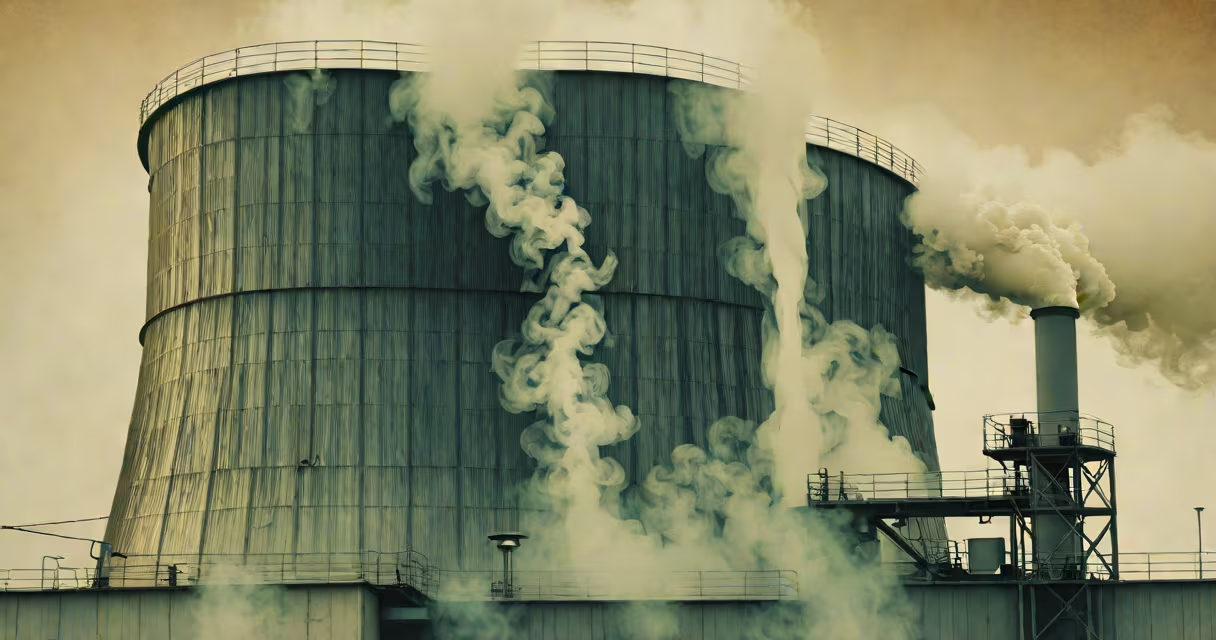
Legionnaires' disease is a severe form of pneumonia caused by inhaling tiny water droplets contaminated with Legionella bacteria. These droplets originate from man-made water systems like cooling towers, hot tubs, and plumbing networks. Infection cannot spread from person to person.
Legionella bacteria thrive in warm, stagnant water between 20°C and 45°C (68°F-113°F). They are naturally present in freshwater environments but become a health risk when they colonize engineered water systems. When water in these systems is agitated-through spraying, splashing, or pumping-it forms aerosols small enough to be inhaled deep into the lungs. Once inhaled, the bacteria trigger a serious lung infection, especially in people with weakened immune systems or chronic illness.
The Centers for Disease Control and Prevention (CDC) reports that most cases result from exposure to contaminated water systems in buildings, not from direct contact with soil or natural bodies of water. Outbreaks have been traced to poorly maintained cooling towers, decorative fountains, and hospital water systems. The bacteria do not survive well in cold water or chlorinated tap water under normal conditions.
Legionella enters human systems via inhalation, not ingestion. You do not get sick by drinking water that contains the bacteria. Instead, the pathogen becomes airborne when water is dispersed into fine mist. This mist can travel through air currents and enter ventilation systems, elevators, or nearby outdoor spaces.
For example, a cooling tower at a large hotel may release contaminated aerosols during peak operation hours. If a guest stays in a room downwind from the tower, they may inhale the particles. The bacteria then settle in the alveoli of the lungs, where they multiply and cause inflammation. Symptoms include high fever, chills, cough, muscle pain, and confusion. Onset typically occurs 2 to 10 days after exposure.
A 2015 outbreak in New York City linked 120 cases to a cooling tower in the South Bronx. The CDC confirmed Legionella in samples taken from the tower's water. Public health officials shut down the unit and required disinfection. This case illustrates how a single malfunctioning system can expose hundreds.
While Legionella is widespread in nature, outbreaks occur almost exclusively in artificial water systems. The most frequent sources include:
| Source | Temperature Range | Risk Level | Example |
|---|---|---|---|
| Cooling towers | 25-40°C (77-104°F) | High | Hotel HVAC systems |
| Hot tubs/spas | 32-40°C (90-104°F) | High | Resort whirlpool baths |
| Plumbing systems | 20-45°C (68-113°F) | Medium to high | Hospital showers, sinks |
| Decorative fountains | 25-35°C (77-95°F) | Medium | Shopping mall displays |
Hot tubs pose a significant risk because their water is often recirculated and heated to ideal bacterial growth temperatures. A study published in *Emerging Infectious Diseases* found that 28% of hot tubs sampled in public facilities contained detectable Legionella levels. Most were not disinfected properly due to low maintenance frequency.
Water systems in hospitals are particularly dangerous. A 2019 investigation by the CDC found that 15% of hospital plumbing systems tested positive for Legionella. In one case, a patient developed the disease within 48 hours of being admitted to a ward with a faulty showerhead. The shower had not been flushed in weeks, allowing biofilm to build and harbor bacteria.
Many assume Legionnaires' disease spreads through drinking water or person-to-person contact. This is incorrect. The bacteria do not survive in the digestive tract and are not transmitted via saliva, coughing, or close proximity. You cannot catch it from someone who is infected.
Another myth is that only older adults get sick. While individuals over 50 and those with chronic conditions like COPD or diabetes are at higher risk, younger, otherwise healthy people can develop severe symptoms. A 2021 case report documented a previously fit 32-year-old who required intensive care after contracting the disease from a hotel hot tub.
Some believe that boiling water kills Legionella. While boiling eliminates the bacteria, it does not prevent their presence in the original water source. Reheating water in a system that hasn't been cleaned can reintroduce contamination. Proper maintenance includes regular flushing, temperature control, and chemical treatment-not just heating.
Preventing Legionnaires' disease requires proactive management of water systems. The World Health Organization (WHO) recommends maintaining water temperatures above 50°C (122°F) in storage tanks and below 20°C (68°F) in distribution lines. Regular cleaning and disinfection of components like filters and nozzles reduce biofilm buildup, which protects bacteria from chlorine.
I once monitored a hotel's HVAC system during a routine inspection. The cooling tower had not been treated in six months. Water samples showed Legionella concentrations exceeding 1,000 colony-forming units per liter. After shock chlorination and system flush, follow-up tests returned negative results. The building remained safe for guests.
Testing is critical. If you suspect exposure-especially after staying in a hotel, visiting a medical facility, or attending a large event-seek medical evaluation within 10 days. Diagnosis relies on urine antigen tests or sputum cultures. Early antibiotic treatment with azithromycin or levofloxacin improves recovery rates.
Legionnaires' disease is not contagious. It results from inhaling contaminated aerosols produced by engineered water systems. Awareness of high-risk locations and proper maintenance protocols are key to preventing infection. Early detection and treatment improve outcomes.