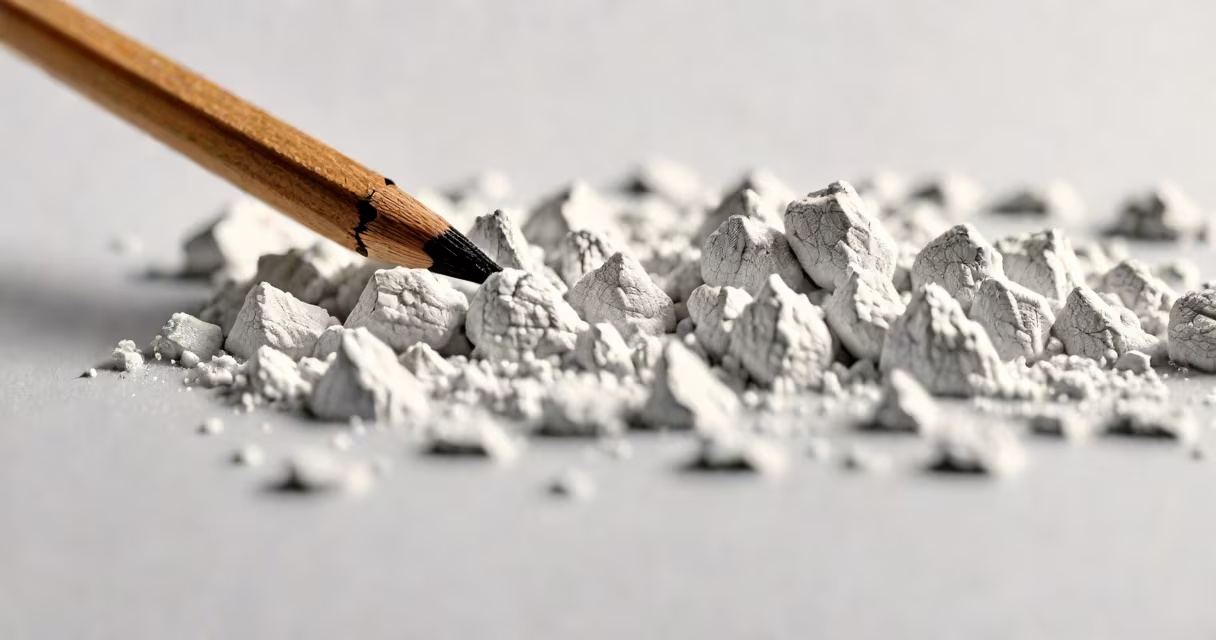
The melting point of aspirin is 135°C (275°F), though it typically decomposes before reaching a clear melt due to thermal instability. This value is critical for verifying purity and stability in pharmaceutical manufacturing.
Aspirin, chemically known as acetylsalicylic acid, is a widely used nonsteroidal anti-inflammatory drug (NSAID). Its melting point serves as a benchmark for assessing batch consistency and detecting impurities. Pure aspirin melts sharply near 135°C, but deviations indicate contamination or degradation.
When heated, aspirin undergoes hydrolysis-a reaction where water breaks the ester bond-producing salicylic acid and acetic acid. This process begins well below the nominal melting point and accelerates above 100°C. As a result, the material darkens, emits vinegar-like fumes, and fails to form a liquid phase. This behavior is not a flaw in measurement but a chemical reality.
Scientists use capillary tube methods in a melting point apparatus. A small sample is packed into a thin glass tube, placed in a heating block, and observed under magnification. The temperature at which the solid begins to liquefy and the temperature at which it fully becomes a liquid are recorded.
A pure substance exhibits a narrow melting range-typically within 1-2°C. For aspirin, a sharp onset at 134-136°C confirms high purity. A broad or depressed range suggests contaminants such as unreacted salicylic acid or degraded products.
Pharmaceutical labs routinely test raw materials and finished tablets using this method. The U.S. Pharmacopeia (USP) specifies that aspirin should melt between 134°C and 136°C. Deviations trigger further analysis, including chromatography, to confirm identity and purity.
Not all compounds melt cleanly. Some decompose, others show multiple steps, and some exhibit polymorphism-different crystal forms with distinct melting points. Aspirin is a classic example of a compound that decomposes during melting.
| Type | Description | Example |
|---|---|---|
| Sharp melt | Narrow range, clean transition | Sucrose (186°C) |
| Decomposition | Breaks down before melting | Aspirin (135°C, decomposes) |
| Polymorphic | Different crystal forms have different MPs | Paracetamol (169-171°C depending on form) |
Aspirin's decomposition is predictable and reproducible. The USP notes that visible discoloration and acetic odor during heating are expected signs of breakdown. This is not failure-it's chemistry.
In drug development, melting point is a low-cost, rapid screening tool. A batch of aspirin that melts at 128°C signals potential issues-either incomplete synthesis or storage in humid conditions, which promotes hydrolysis.
During formulation, heat is applied in processes like tablet compression. If the excipients or API degrade under pressure and heat, the product may fail stability testing. Knowing aspirin decomposes at 135°C informs processing limits. Manufacturers avoid temperatures above 130°C during drying or blending.
I once observed a batch of aspirin tablets failing dissolution tests. The raw material had a melting point of 126-128°C. GC-MS revealed 12% salicylic acid contamination-well above acceptable levels. Replacing the material restored performance. This case underscores that melting point is not just a number-it's a diagnostic tool.
Many assume that "melting point" means the temperature at which a solid turns into a liquid. But for aspirin, the transition is not physical-it's chemical. The material doesn't form a homogeneous liquid; it breaks down into volatile components.
Another error is confusing melting point with boiling point. Aspirin sublimes at around 140°C under vacuum, but its boiling point is not practically measurable due to decomposition. The term "melting point" refers specifically to solid-to-liquid transition, even if the liquid phase never forms.
Some online sources list aspirin's melting point as 136°C without mentioning decomposition. This omission misleads users into thinking the compound melts cleanly. The correct value includes both the temperature and the caveat: "decomposes."
Among common pharmaceuticals, aspirin's melting point is relatively low. Ibuprofen melts at 75-77°C, paracetamol at 169-171°C. These differences reflect varying intermolecular forces and molecular weight. Aspirin sits in the middle of this spectrum-not too high, not too low.
Environmental factors affect measurements. Moisture lowers the apparent melting point. A sample stored in a damp environment may begin degrading at 120°C. Always test dry samples under controlled humidity.
The melting point of aspirin is 135°C, but it decomposes before melting. This behavior is normal and expected. The value is used to assess purity and detect degradation. Deviations signal problems in synthesis or storage. Understanding this helps ensure safe, effective medication.