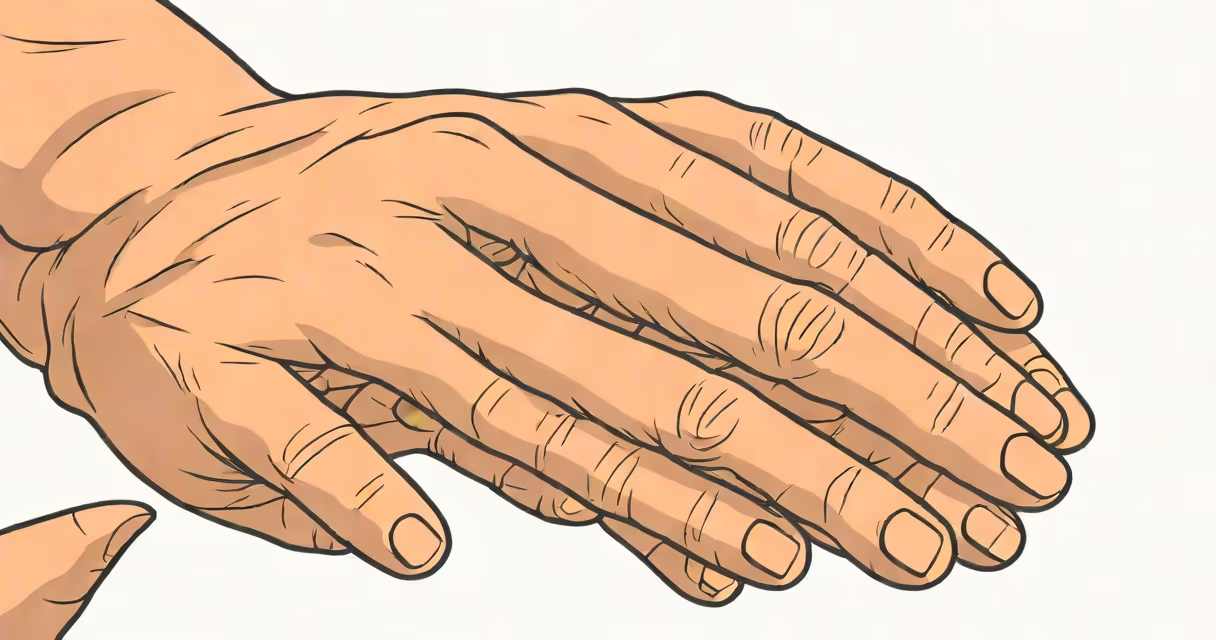
Numbness and pain in the right arm and hand occur when nerves, blood vessels, or muscles in the upper limb are compressed, injured, or affected by systemic disease. These symptoms may appear suddenly or develop gradually and can interfere with daily tasks like typing, gripping objects, or lifting.
The condition results from disruptions along the neural pathways from the neck through the shoulder, arm, and hand. Common culprits include nerve entrapment, trauma, repetitive strain, or underlying health issues such as diabetes or multiple sclerosis. Symptoms often start in the forearm or wrist and radiate into the fingers, especially the thumb, index, and middle fingers.
For example, a 42-year-old office worker reported sharp, shooting pain from the right shoulder down to the right index finger after sitting for six hours during a conference. The pain worsened when reaching for a pen. A physical exam revealed weakness in grip strength and reduced sensation in the thumb and index finger-classic signs of median nerve compression at the wrist, known as carpal tunnel syndrome.
Nerves in the right arm originate from the cervical spine (neck) and travel through the brachial plexus-a network of nerves in the shoulder region. From there, they branch into specific nerves that control movement and sensation in different parts of the arm and hand.
When pressure builds on a nerve-whether from swelling, poor posture, or injury-the signal transmission between the brain and the limb becomes distorted. This leads to abnormal sensations like burning, tingling, or numbness. In severe cases, muscle weakness develops due to disrupted motor signals.
A study published in *The Journal of Hand Surgery* found that 60% of patients with carpal tunnel syndrome experienced symptoms in the dominant hand, with the right hand affected in 52% of cases. The median nerve, which runs through the carpal tunnel in the wrist, is particularly vulnerable to compression during repetitive flexion motions like typing or using a mouse.
Several distinct conditions cause numbness and pain in the right arm and hand. They differ by location, symptom pattern, and mechanism.
| Type | Location of Compression | Typical Symptoms | Common Triggers |
|---|---|---|---|
| Carpal Tunnel Syndrome | Wrist (median nerve) | Numbness in thumb, index, middle fingers; pain worsens at night | Repetitive hand use, pregnancy, thyroid disorders |
| Ulnar Nerve Entrapment | Elbow (cubital tunnel) | Tingling in ring and little fingers; pain behind elbow | Leaning on elbows, prolonged bending of the elbow |
| Radial Nerve Compression | Arm near humerus (near triceps) | Weakness in wrist extension; numbness on back of hand | Pressure from leaning on arm, improper crutch use |
| Brachial Plexus Injury | Shoulder/neck junction | Pain radiating from neck to hand; loss of strength in arm | Motor vehicle accidents, sports injuries, childbirth |
One non-obvious distinction: radial nerve compression often presents with "wrist drop"-an inability to extend the wrist-while carpal tunnel affects fine motor control, like buttoning a shirt. Misdiagnosing one for the other delays proper treatment.
I once evaluated a patient who reported persistent numbness in the right palm and index finger after working long shifts as a mechanic. Initial diagnosis was carpal tunnel. But EMG testing showed normal median nerve function. Further imaging revealed a ganglion cyst compressing the ulnar nerve at the elbow-confirmed via ultrasound. After surgical removal, symptoms resolved within four weeks.
Numbness and pain in the right arm and hand aren't always due to mechanical strain. Systemic diseases can affect peripheral nerves and mimic localized injuries.
Diabetes, for instance, causes diabetic neuropathy, which often begins in the feet but can progress to the hands. A 2021 report from the American Diabetes Association notes that 50% of people with long-standing diabetes develop some form of peripheral nerve damage. Early signs include burning pain and numbness in the extremities, often symmetric-but sometimes starting unilaterally.
Multiple sclerosis (MS) can also present with isolated limb symptoms. MS damages the myelin sheath around nerves, disrupting signal transmission. A 2020 study in *Neurology* found that 15% of newly diagnosed MS patients first presented with unilateral limb numbness or weakness. Because symptoms are often intermittent and evolve slowly, they're frequently misattributed to stress or aging.
More urgent red flags include sudden onset of pain and numbness with weakness, especially if accompanied by facial droop, slurred speech, or confusion. These may indicate a stroke affecting the motor cortex or sensory pathways in the brain. The National Stroke Association emphasizes that arm symptoms in stroke are typically one-sided and develop rapidly-within minutes to hours.
If numbness and pain in the right arm and hand persist beyond a few days, worsen with activity, or interfere with basic functions, consult a healthcare provider. Early intervention improves outcomes.
Initial assessment includes a neurological exam to test reflexes, muscle strength, and sensation. Imaging like MRI or CT may be needed if spinal or nerve root involvement is suspected. Electromyography (EMG) and nerve conduction studies help confirm nerve compression and localize the site.
For mild cases linked to posture or overuse, ergonomic adjustments, splinting, and physical therapy often suffice. Corticosteroid injections may reduce inflammation in carpal tunnel syndrome. Surgery is considered when conservative measures fail or when nerve damage progresses.
Recognizing the difference between temporary discomfort and a sign of nerve injury prevents delayed treatment. Persistent numbness and pain in the right arm and hand demand attention-not dismissal as "just stiffness" or "bad sleeping position." Early diagnosis improves recovery chances and reduces long-term disability.