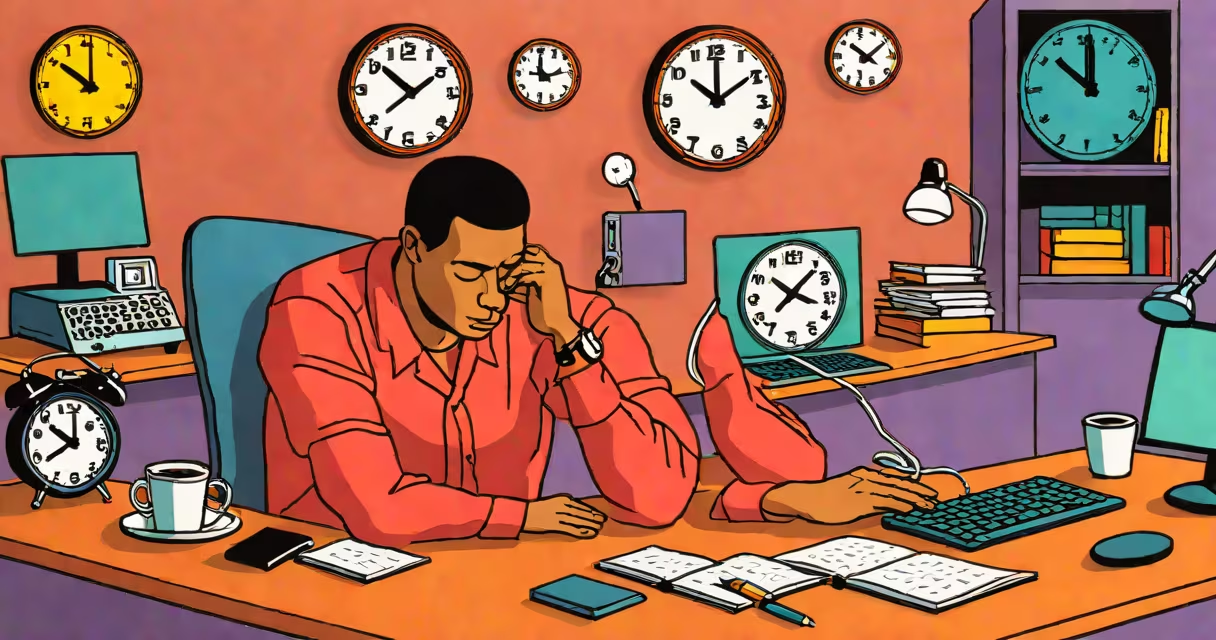
Signs of chronic exhaustion are persistent physical and mental fatigue that do not improve with rest, often lasting weeks or months and interfering with daily functioning. Unlike normal tiredness, this condition reflects ongoing energy depletion that disrupts work, relationships, and basic self-care.
Chronic exhaustion stems from prolonged stress, inadequate recovery, or underlying medical or psychological conditions. It's not simply "being busy" or needing more sleep-it's a state where the body and mind remain in a sustained high-alert mode, depleting resources faster than they can be replenished. According to the Mayo Clinic, persistent fatigue unrelieved by sleep may signal an underlying issue such as depression, hypothyroidism, or chronic fatigue syndrome.
Recognizing the difference between temporary fatigue and chronic exhaustion is critical. While occasional tiredness resolves after a good night's sleep, chronic exhaustion persists despite adequate rest. This distinction matters because untreated cases can lead to worsening mental health, reduced immunity, and increased risk of cardiovascular issues.
The body's energy systems rely on balanced hormone regulation, consistent sleep cycles, and effective stress management. When these systems are disrupted over time, the hypothalamic-pituitary-adrenal (HPA) axis becomes dysregulated, leading to sustained cortisol release. This imbalance contributes to constant fatigue, even when resting.
Neurological research shows that chronic exhaustion alters brain activity in regions linked to attention, motivation, and emotional regulation. A 2021 study published in *Nature Communications* found that individuals with long-term fatigue exhibit reduced connectivity in the default mode network-a brain system tied to self-referential thinking and mental restoration.
One overlooked factor is circadian misalignment. Shift workers, people with irregular schedules, or those who chronically delay sleep due to screen use often experience internal clock disruption. This leads to poor-quality sleep even when duration is sufficient, contributing to fatigue that feels inescapable.
Signs of chronic exhaustion manifest across multiple domains. Physical symptoms include muscle weakness, frequent infections, headaches, and unexplained aches. Cognitive effects involve brain fog, memory lapses, and trouble focusing-common enough that many mistake them for aging or ADHD.
Emotional signs are equally telling. People report irritability, low mood, emotional numbness, or feeling detached from others. These aren't just "bad days"-they're consistent patterns. For example, someone might skip social events not because they don't want to, but because the effort required feels overwhelming.
| Symptom Type | Specific Signs | Frequency in Clinical Cases |
|---|---|---|
| Physical | Unrefreshing sleep, muscle pain, dizziness | 87% of patients with chronic fatigue syndrome (CDC) |
| Cognitive | Difficulty remembering tasks, slow processing speed | 76% in longitudinal studies (Journal of Psychosomatic Research) |
| Emotional | Increased anxiety, tearfulness, withdrawal | 64% in primary care populations (BMJ Open) |
A 42-year-old teacher reported waking up exhausted after eight hours of sleep. She described feeling "like my brain was underwater." Her doctor initially suspected depression, but blood tests revealed low vitamin D and borderline thyroid function-both contributors to fatigue. After correcting these, her energy improved slightly, but she still struggled with focus and motivation. A specialist later diagnosed her with adrenal insufficiency, a condition linked to HPA axis dysfunction. This case illustrates how multiple factors can converge to produce persistent exhaustion.
Many people confuse chronic exhaustion with depression, burnout, or simple lack of sleep. While overlapping, they differ in root causes and treatment paths. Depression involves persistent sadness, loss of interest, and changes in appetite or weight. Burnout is job-specific, marked by emotional depletion from work-related stress. Chronic exhaustion, however, persists across domains-even during vacations or weekends.
Another myth is that "pushing through" fatigue builds resilience. In reality, forcing activity during exhaustion worsens HPA axis strain and delays recovery. The American Psychological Association warns that chronic stress without recovery increases the risk of heart disease and cognitive decline.
One non-obvious distinction: chronic exhaustion often coexists with hyperarousal. Some people feel wired despite being physically drained-sleep onset takes hours, and they wake frequently. This paradoxical state results from elevated cortisol and norepinephrine, which keep the nervous system in fight-or-flight mode even during rest.
If fatigue lasts longer than four weeks and interferes with routine tasks, medical evaluation is warranted. Blood tests for thyroid function, iron levels, vitamin B12, and vitamin D can rule out treatable deficiencies. Mental health screening for anxiety and depression is also essential.
I once observed a client who had been working 60-hour weeks for two years. He lost 15 pounds, stopped exercising, and avoided friends. His performance declined sharply. After a full assessment, he was diagnosed with adrenal fatigue (a term used clinically to describe HPA axis dysfunction). He began a structured recovery plan involving sleep hygiene, gradual activity pacing, and nutritional support. Within six months, his energy returned. This case underscores that recovery is possible-but requires addressing root causes, not just symptoms.
For those experiencing signs of chronic exhaustion, start with a healthcare provider. Avoid self-diagnosis. If you're unsure whether your fatigue is normal, consider tracking symptoms in a journal: note timing, triggers, sleep quality, and mood. Tools like the Fatigue Severity Scale (FSS) offer validated assessments used in clinical settings.