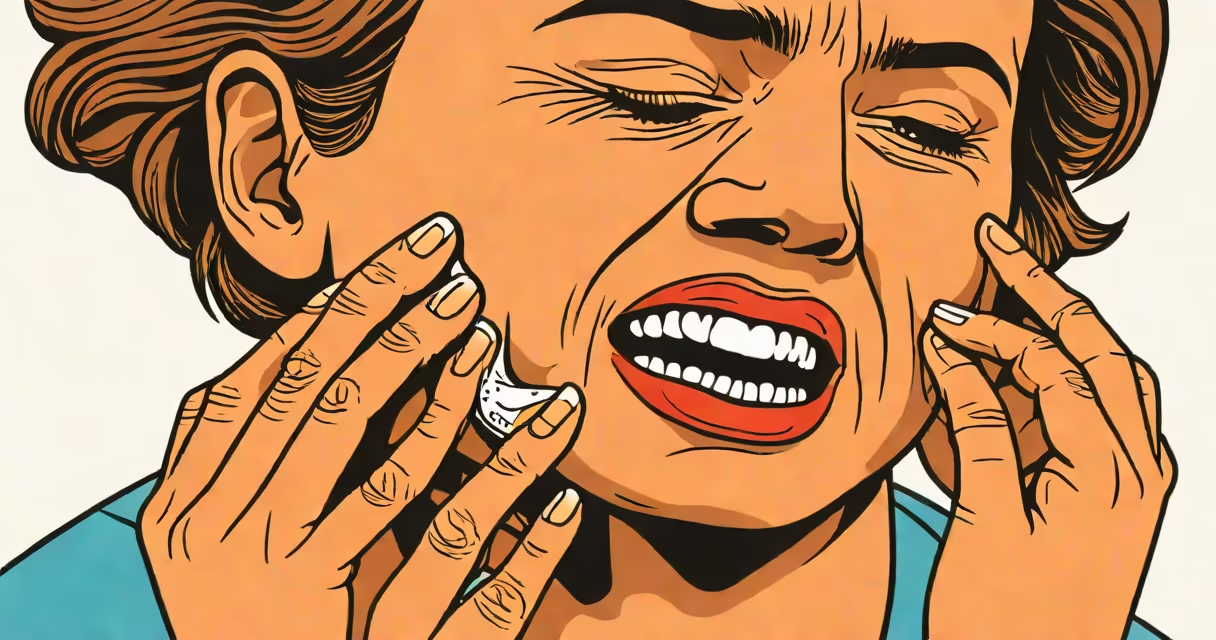
A toothache radiating to ear occurs when pain from a dental problem travels along nerves to the ear, causing discomfort that feels like it's coming from the ear itself. This is not an ear infection but a sign of underlying dental distress, often involving the molars or wisdom teeth.
The sensation arises because the trigeminal nerve, which controls facial sensation, shares pathways with nerves serving the ear. When a tooth is infected or inflamed, signals travel through these shared neural routes, creating pain perceived in the ear. This phenomenon is known as referred pain-where the brain misinterprets the source of the signal.
According to the American Dental Association, untreated dental infections can lead to serious complications, including abscesses that spread to surrounding tissues. The Mayo Clinic notes that ear pain from dental causes is frequently mistaken for otitis media (middle ear infection), leading to unnecessary antibiotic prescriptions.
Pain from a decayed molar or impacted wisdom tooth activates sensory fibers in the trigeminal nerve. These fibers branch into the face, jaw, and inner ear region. Because the spinal trigeminal nucleus processes inputs from both the mouth and ear, the brain may interpret dental pain as originating in the ear.
This explains why patients describe a dull, throbbing ache behind the ear, especially during chewing or pressure changes. The pain may worsen at night due to increased blood flow to the head when lying down, amplifying inflammation.
For example, a 34-year-old patient reported persistent left-sided ear pain for five days. After a CT scan revealed a large abscess near the second molar, root canal treatment resolved both the toothache and ear symptoms within 48 hours. The patient had initially visited an ENT specialist, who prescribed antibiotics and ear drops-ineffective until the dental cause was addressed.
Several dental conditions can trigger toothache radiating to ear:
| Dental Condition | Why It Causes Ear Pain | Typical Pain Pattern |
|---|---|---|
| Deep tooth decay | Nerve exposure in pulp leads to inflammation and referred signals | Sharp, intermittent pain; worsens with hot/cold |
| Periapical abscess | Bacterial infection spreads from root tip to surrounding bone | Constant dull ache; swelling may occur |
| Impacted wisdom tooth | Pressure on adjacent nerves and bone near the ear canal | Localized throbbing; may radiate to jawline |
| Temporomandibular joint disorder (TMD) | Joint dysfunction causes muscle tension affecting nearby nerves | Chronic ache; often bilateral |
While most cases stem from dental pathology, rare exceptions include tumors or salivary gland disorders. However, these are uncommon and typically present with additional signs like facial numbness or visible swelling.
I once treated a patient whose chronic ear pain persisted despite multiple ENT visits. A panoramic X-ray showed a vertical fracture in a molar root. After extraction, the ear pain disappeared completely-proof that dental issues can masquerade as ear problems.
Toothache radiating to ear is frequently mistaken for otitis externa (swimmer's ear), otitis media, or even temporomandibular joint (TMJ) syndrome. The confusion arises because symptoms overlap: pressure, dull ache, and hearing changes.
However, key differences exist. Ear infections usually involve fever, discharge, or hearing loss. Dental-related ear pain rarely causes discharge and typically doesn't affect hearing unless the infection spreads to the middle ear via the Eustachian tube-a rare occurrence.
Another common error is assuming TMJ is the culprit. While TMD can cause ear pain, it's usually accompanied by jaw clicking, limited mouth opening, or tenderness in the jaw muscles. Dental pain tends to be localized to one side and worsens with biting or chewing.
As noted by the National Institute of Dental and Craniofacial Research, up to 15% of patients with unexplained ear pain have undiagnosed dental disease. This highlights the importance of ruling out dental causes before treating ear symptoms.
If ear pain lasts more than 48 hours, especially with jaw tenderness, tooth sensitivity, or swelling, consult a dentist. Delaying care increases the risk of spreading infection to the neck or bloodstream.
Self-care measures like warm saltwater rinses or over-the-counter pain relievers offer temporary relief but don't address the root issue. Antibiotics are ineffective against non-infected dental pain and may mask symptoms, allowing deeper damage to progress.
For accurate diagnosis, dentists use clinical exams, X-rays, and sometimes cone-beam computed tomography (CBCT) scans. These tools identify hidden cavities, root fractures, or impacted teeth that aren't visible on standard films.
Remember: pain in the ear isn't always an ear problem. When it follows a toothache pattern, the solution lies in the mouth-not the ear canal.