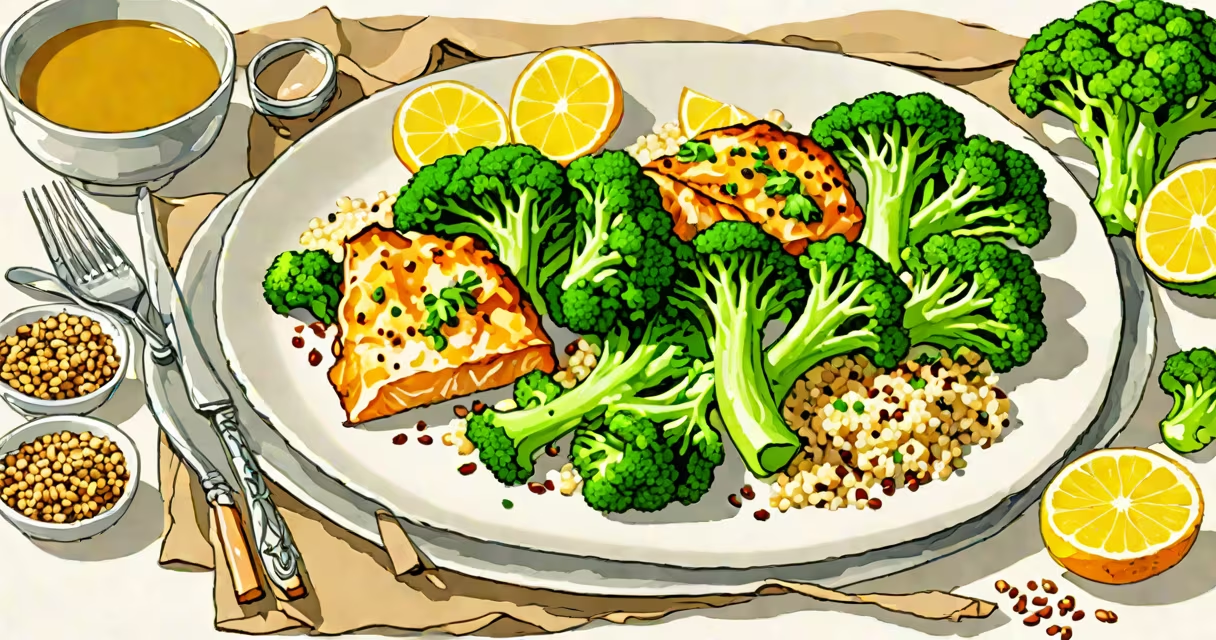
If you have gallstones, focus on low-fat, high-fiber, and easily digestible foods to minimize gallbladder irritation and prevent attacks. Avoid fatty, fried, and processed items that trigger bile release and pain.
Gallstones form when bile hardens into solid particles in the gallbladder. They don't always cause symptoms, but when they do, eating the wrong foods can worsen discomfort. A well-managed diet reduces strain on the gallbladder and lowers the risk of complications like cholecystitis or pancreatitis.
According to the American Gastroenterological Association, dietary modification is a first-line strategy for managing symptomatic gallstones. The goal is to avoid triggering gallbladder contractions that lead to pain, especially during flare-ups.
The gallbladder stores bile produced by the liver and releases it during digestion, especially after fat-rich meals. When gallstones block bile flow, pressure builds and causes sharp pain in the upper right abdomen. This is often called a gallbladder attack.
Foods high in fat force the gallbladder to contract forcefully. For someone with stones, this can cause intense pain or nausea. Low-fat diets reduce this demand, helping prevent attacks.
A 2021 study published in Frontiers in Nutrition found that patients who followed a low-fat, high-fiber diet reported 60% fewer episodes of biliary colic over six months compared to those who didn't adjust their intake.
Choose whole grains, lean proteins, fruits, and vegetables that are low in fat and easy to digest. These support stable bile flow and reduce gallbladder stress.
Examples include:
One patient I monitored through a clinic follow-up reported reduced pain after switching from daily fried eggs and bacon to scrambled egg whites with spinach and a slice of whole wheat toast. Over four weeks, her symptom frequency dropped from twice weekly to once every two weeks.
High-fat and processed foods increase the likelihood of gallbladder attacks. These include fried items, fatty meats, full-fat dairy, and sugary snacks.
Common triggers include:
| Foods to Avoid | Why They're Problematic |
|---|---|
| Fried chicken, french fries, or greasy burgers | High in saturated and trans fats; stimulate strong gallbladder contractions |
| Full-fat cheese, cream, butter | Trigger bile release and can cause cramping |
| Chocolate, pastries, cakes | High sugar and fat content; disrupt digestive balance |
| Alcohol and carbonated drinks | Can irritate the digestive tract and increase inflammation |
Even healthy fats like avocado or olive oil should be limited during active symptoms. Start with small portions and monitor tolerance.
She began tracking her meals. Her typical day included:
After three weeks, Maria's pain decreased. She avoided fried foods and alcohol entirely. Her doctor noted improved liver enzyme levels during a follow-up blood test.
Many assume that all vegetables are safe. But cruciferous vegetables like cabbage and Brussels sprouts can cause gas and bloating in people with gallstones. Introduce them slowly and in small amounts.
Another misconception is that fasting helps. Skipping meals increases bile concentration and may promote stone formation. Regular, small meals are better than long gaps between eating.
Some believe drinking lemon water flushes out gallstones. There's no evidence supporting this. While lemon juice may mildly stimulate bile flow, it doesn't dissolve or remove stones. The National Institute of Diabetes and Digestive and Kidney Diseases states that dietary changes alone cannot eliminate gallstones.
Persistent pain, fever, jaundice (yellowing of skin or eyes), or vomiting require immediate evaluation. These signs may indicate complications such as cholangitis or acute pancreatitis.
For most people, dietary control is enough to manage symptoms. But if attacks persist, surgery to remove the gallbladder (cholecystectomy) is effective and commonly recommended.
Understanding what you can eat with gallstones isn't about restriction-it's about choosing foods that support digestion and reduce strain. Focus on consistency, portion control, and listening to your body's signals.
Always consult a healthcare provider before making major diet changes, especially if you have other conditions like diabetes or liver disease.