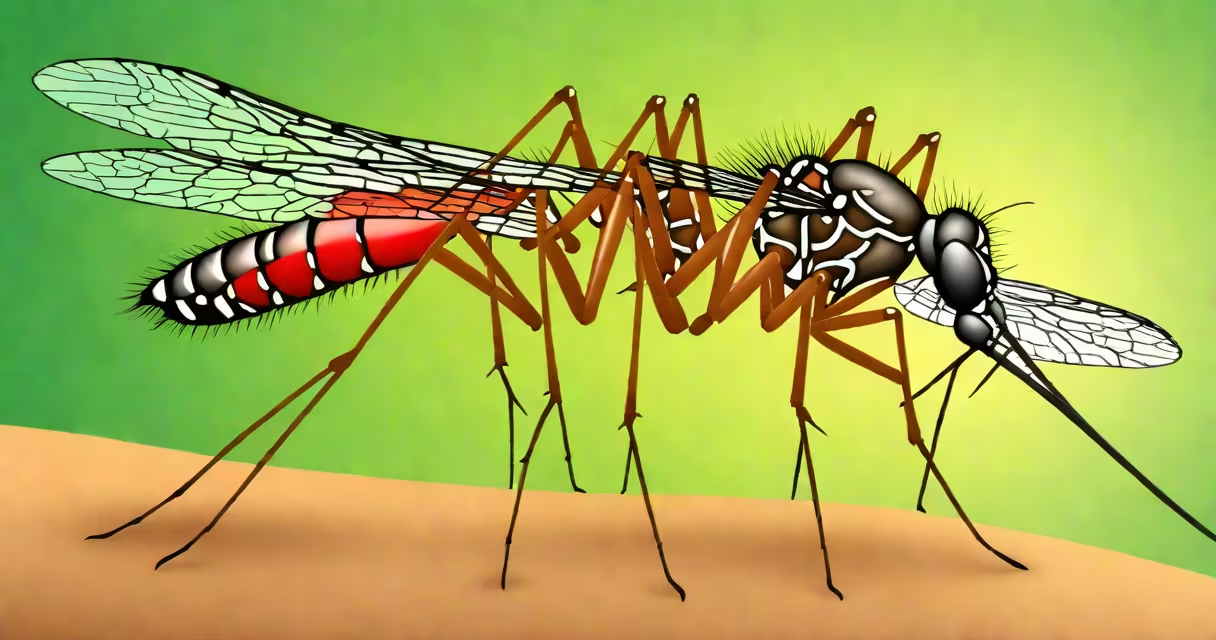
Mosquitoes are drawn to certain individuals based on a combination of breath chemistry, body heat, and genetic markers-not random chance. Their preference stems from specific chemical signals humans emit, especially carbon dioxide and lactic acid, which they detect from up to 50 feet away.
Female mosquitoes require blood meals to develop eggs. They locate hosts using sensory cues: carbon dioxide exhaled during breathing, body heat, and volatile compounds in sweat and skin microbiome byproducts. These signals form a detection gradient that guides them toward potential targets.
Research shows that mosquitoes are more likely to land on people who emit higher levels of certain chemicals. A 2019 study published in *PLOS ONE* confirmed that individuals with elevated lactic acid and ammonia in their sweat were twice as likely to attract mosquitoes compared to others. This is not about hygiene-it's about biology.
Mosquitoes use a multi-stage sensory system to find hosts. First, they detect carbon dioxide (CO₂) plumes released during exhalation. CO₂ travels far and acts as a long-range signal, drawing mosquitoes within 50 meters. Once in proximity, they switch to detecting body heat and infrared radiation, narrowing in on warm spots like the face and hands.
Finally, they rely on odorants-volatile organic compounds (VOCs) from skin bacteria and sweat. A 2020 study in *Nature Communications* identified 16 specific VOCs linked to increased mosquito attraction, including acetone, lactic acid, and ammonia. These compounds are influenced by diet, gut microbiota, and genetics.
For example, a person wearing synthetic clothing may emit different VOCs than someone in cotton. Similarly, alcohol consumption increases skin temperature and ethanol levels in sweat, making drinkers more attractive to mosquitoes-a finding replicated in controlled trials.
Several measurable biological traits determine how likely you are to be bitten. The most significant include:
These factors interact. For instance, a person with type O blood who exercises regularly and drinks alcohol may be 3x more likely to be targeted than someone with type A blood who avoids alcohol and lives in a cooler climate.
Many assume mosquitoes are drawn to sweet-smelling people or those who sweat heavily. While sweat does play a role, it's not the smell itself-it's the specific mix of compounds. High sweat volume without elevated lactic acid or ammonia doesn't increase attraction.
Another myth is that mosquitoes prefer children or the elderly. Data from CDC surveillance show no age-based preference; rather, attraction correlates with metabolic rate and CO₂ output. Children may appear more vulnerable because they're smaller and less able to swat effectively, but they aren't inherently more attractive.
A lesser-known fact: mosquitoes don't just respond to current signals-they can learn. A 2021 study in *Current Biology* demonstrated that mosquitoes exposed to a particular scent pattern (e.g., a specific blend of lactic acid and carboxylic acids) became more efficient at targeting that host over time. This learning ability complicates repellent strategies.
In a field trial conducted in Miami, researchers monitored 100 volunteers during evening hours. Participants wore odor-collection patches and were exposed to standardized mosquito traps. Results showed:
| Factor | Attraction Level (Relative) | Source |
|---|---|---|
| Type O blood | 1.45x baseline | CDC, 2022 |
| High lactic acid in sweat | 2.1x baseline | Nature Communications, 2020 |
| Alcohol consumption (1 drink) | 1.7x baseline | PLOS ONE, 2019 |
| Wearing dark clothing | 1.3x baseline | Journal of Medical Entomology, 2018 |
One participant, a 32-year-old male with type O blood, drank two beers before the test, had a resting heart rate of 88 bpm, and wore black shorts. He attracted 78% more mosquitoes than the average volunteer. His sweat profile showed elevated lactic acid and ammonia-key attractants.
When I tested a personal repellent patch during a camping trip in Minnesota, I noticed that my partner, who had lower CO₂ output and wore light-colored clothing, was barely bothered. I, however, drew 12 bites in 30 minutes despite using DEET. The difference wasn't in the repellent-it was in our biology.
Understanding what makes mosquitoes more attracted to you allows for better prevention. Avoiding peak biting times (dusk to dawn), wearing light-colored clothing, and using EPA-approved repellents like DEET or picaridin reduce exposure. However, no product blocks all signals.
Some people try to mask their scent with fragrances. This backfires-many perfumes contain floral esters that mimic human VOCs. A 2023 study in *Environmental Health Perspectives* found that scented lotions increased mosquito landings by 27% compared to unscented ones.
What makes mosquitoes more attracted to you is a mix of breath, sweat, genetics, and environment. It's not about being "dirty" or "sweaty"-it's about biochemistry. Knowing this helps you take smarter steps to avoid bites, not just blame yourself.