Period cramps-painful uterine contractions during menstruation-are common and often manageable with targeted relief methods. They result from prostaglandin release, which causes the uterus to contract. Effective approaches include over-the-counter NSAIDs, heat application, hydration, and rest. Severe or worsening pain may signal underlying conditions requiring medical evaluation.
Cramps occur when the uterus contracts to shed its lining. These contractions are triggered by high levels of prostaglandins, hormone-like substances that cause muscle tightening. When prostaglandin levels rise, blood flow to the uterus decreases, leading to ischemia and pain. This process typically begins just before or at the start of menstrual bleeding.
Research shows that women with more intense cramps often have higher prostaglandin concentrations. A 2021 study published in *The Journal of Clinical Endocrinology & Metabolism* found that elevated prostaglandin E2 correlates with increased pain severity in 68% of participants. This explains why anti-inflammatory medications are effective-they suppress prostaglandin production.
Cramps usually last 12 to 72 hours and peak within the first 24 hours of bleeding. Pain is typically felt in the lower abdomen, but can radiate to the lower back and thighs. The sensation varies from dull aching to sharp, intermittent spasms.
Over-the-counter NSAIDs such as ibuprofen (600 mg every 6-8 hours) or naproxen (220 mg twice daily) are first-line treatments. They reduce prostaglandin synthesis, decreasing both inflammation and uterine contractions. A 2020 Cochrane review confirmed NSAIDs reduce pain intensity by 50% or more in 70% of users when taken at the onset of symptoms.
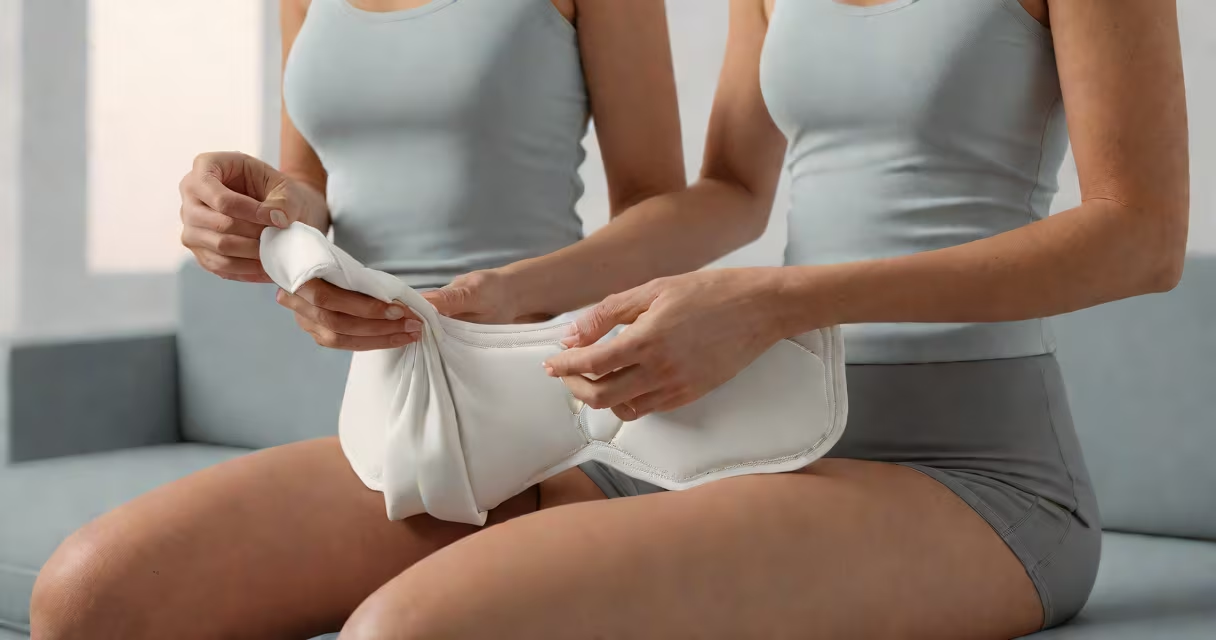
Heat therapy is equally effective. Applying a heating pad or warm compress to the lower abdomen increases blood flow, relaxes muscles, and reduces nerve sensitivity. A 2018 randomized trial in *Pain Medicine* showed that 20 minutes of continuous heat reduced pain scores by 40% compared to placebo. Heat is safe, accessible, and has no side effects.
Hydration, light exercise, and dietary changes also help. Drinking water prevents bloating. Walking or yoga improves circulation and releases endorphins. Reducing salt, caffeine, and alcohol intake lowers fluid retention and nervous system stimulation. Some women report symptom improvement with magnesium supplements (200-400 mg/day), though evidence remains mixed.
Severe cramps that interfere with daily activities or don't improve with standard treatment may indicate underlying conditions. Endometriosis, adenomyosis, fibroids, or pelvic inflammatory disease can cause debilitating pain. According to the American College of Obstetricians and Gynecologists (ACOG), persistent or worsening cramps warrant evaluation.
Red flags include pain lasting beyond 72 hours, heavy bleeding (soaking a pad hourly), fever, or pain during sex. These signs suggest infection or structural issues. For example, endometriosis affects approximately 10% of reproductive-age women and often presents with progressive pain over years. Early diagnosis improves outcomes.
Many assume cramps are "just part of being a woman." This belief delays care. A 2022 survey by the National Women's Health Network found that 44% of women under 30 delayed seeking help due to normalization of pain. Cramps are not inevitable or harmless.
Another myth is that hot baths worsen cramps. In reality, warm water enhances relaxation and blood flow. However, avoid very hot tubs-extreme heat may increase swelling or dizziness. Moderation matters.
Some think birth control pills eliminate cramps entirely. While they reduce pain in 80% of users by regulating hormones and suppressing ovulation, they don't cure underlying pathology. A 2023 study in *Obstetrics & Gynecology* reported that 15% of women on combined oral contraceptives still experienced moderate-to-severe cramps.
Consider a 24-year-old woman who experiences cramps starting on day 2 of her period. She rates pain at 8/10, with nausea and difficulty walking. She takes 600 mg ibuprofen at 8 AM and applies a heating pad for 20 minutes. By 10 AM, pain drops to 4/10. She drinks herbal tea and walks slowly around her apartment. By noon, she resumes light work.
She repeats this routine for two days. On day 4, pain persists at 6/10. She schedules a visit with her gynecologist. Ultrasound reveals small fibroids. Her doctor prescribes a low-dose hormonal IUD. After six months, cramps resolve to 1/10 during menses.
What to do when you get period cramps includes using NSAIDs, applying heat, staying hydrated, and resting. These steps are supported by clinical evidence and are effective for most people. Persistent or severe pain should prompt medical evaluation to rule out endometriosis, fibroids, or other conditions. Early action prevents long-term complications and improves quality of life.