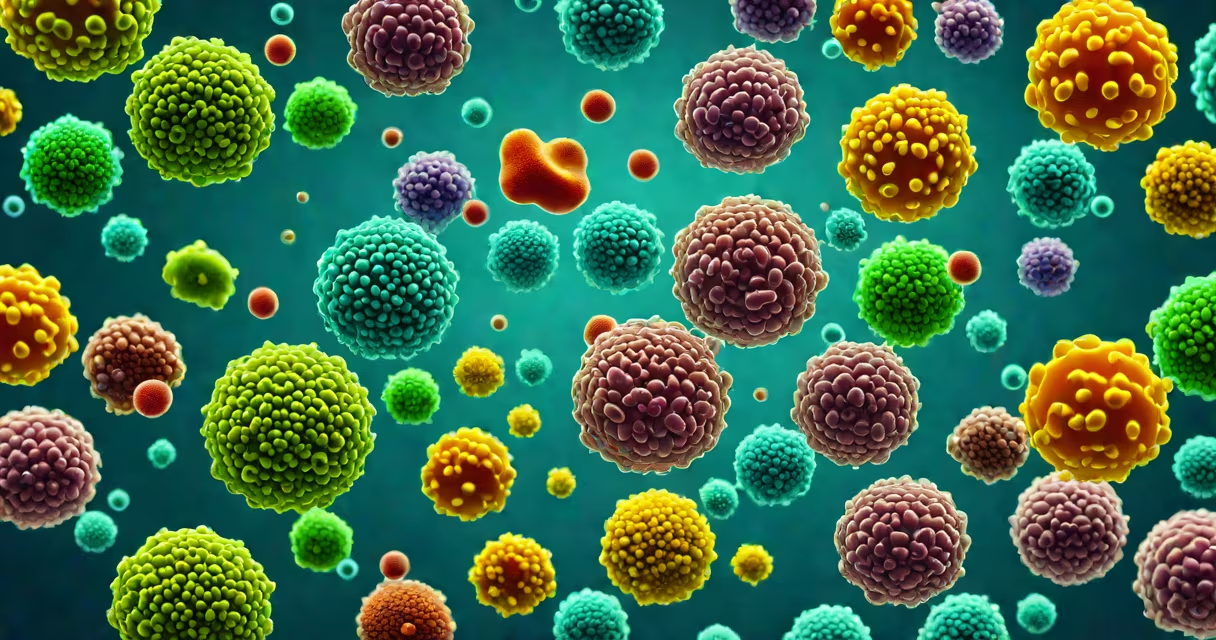
Bacterial infections arise when pathogenic bacteria invade tissues, multiply, and trigger immune responses. They are classified by cell wall structure (gram-positive vs. gram-negative), mode of transmission, and clinical presentation. Common types include skin infections, respiratory tract infections, urinary tract infections, gastrointestinal illnesses, and systemic diseases such as sepsis.
Bacteria cause infection by breaching physical barriers like skin or mucous membranes. Once inside, they reproduce rapidly and release toxins that damage host cells. The immune system responds with inflammation, fever, and white blood cell mobilization. Symptoms depend on location: pneumonia in lungs, meningitis in the brain, or pyelonephritis in kidneys.
For example, Streptococcus pneumoniae invades lung tissue, causing alveolar fluid buildup and reduced oxygen exchange. This leads to cough, chest pain, and shortness of breath. Diagnosis relies on sputum culture, blood tests, and imaging. Treatment typically involves penicillin or macrolides, depending on antibiotic sensitivity.
Antibiotic resistance complicates treatment. Methicillin-resistant Staphylococcus aureus (MRSA) requires vancomycin or daptomycin due to beta-lactamase enzyme production. Resistance rates exceed 30% in hospital settings, according to the CDC's 2023 Antibiotic Resistance Report.
Scientists categorize bacteria based on Gram staining, which reflects peptidoglycan layer thickness. Gram-positive bacteria have thick walls that retain crystal violet dye, appearing purple under a microscope. Gram-negative bacteria have thin walls and an outer membrane containing lipopolysaccharide (LPS), appearing pink after counterstaining.
Gram-positive pathogens include Staphylococcus aureus (skin abscesses, endocarditis), Streptococcus pyogenes (strep throat, necrotizing fasciitis), and Clostridium difficile (antibiotic-associated colitis). Gram-negative organisms include Escherichia coli (UTIs, sepsis), Pseudomonas aeruginosa (hospital-acquired pneumonia), and Neisseria gonorrhoeae (gonorrhea).
A key difference lies in antibiotic susceptibility. Gram-negative bacteria resist many drugs due to their outer membrane barrier. Aminoglycosides and carbapenems are often required. Gram-positive infections may respond to penicillins, but MRSA demands alternative agents.
| Type | Examples | Common Infections | Treatment Options |
|---|---|---|---|
| Gram-positive | Staphylococcus aureus, Streptococcus pneumoniae | Skin abscesses, pneumonia, endocarditis | Penicillin, vancomycin (for MRSA) |
| Gram-negative | Escherichia coli, Pseudomonas aeruginosa | UTIs, sepsis, hospital-acquired pneumonia | Carbapenems, fluoroquinolones |
| Atypical | Mycobacterium tuberculosis, Chlamydia trachomatis | Tuberculosis, sexually transmitted infections | Multi-drug regimens (e.g., isoniazid, rifampin) |
Bacterial infections spread via direct contact, airborne droplets, contaminated food or water, or vectors. Healthcare environments amplify risk due to invasive procedures and immunocompromised patients. Catheter-associated UTIs occur in 3-5% of hospitalized adults annually, per the CDC.
Zoonotic infections originate in animals and transfer to humans. Brucella melitensis, from unpasteurized dairy products, causes undulant fever with relapsing fevers lasting weeks. Salmonella enterica serotype Typhi spreads through fecal-oral route, leading to typhoid fever. Outbreaks in the U.S. average 16,000 cases yearly, with 400 deaths, according to the FDA.
Foodborne pathogens like Listeria monocytogenes thrive in refrigerated foods. It causes listeriosis, especially dangerous in pregnant women and elderly individuals. One 2022 outbreak linked to deli meats resulted in 13 deaths and 147 hospitalizations.
People often confuse bacterial infections with viral ones. Antibiotics do not treat viruses. Using them for colds or flu promotes resistance. The WHO estimates 4.9 million deaths annually from antimicrobial resistance, including those from inappropriate antibiotic use.
Another misconception is that all bacteria are harmful. Over 90% of human microbiota are beneficial. Gut flora like Bifidobacterium and Lactobacillus support digestion and immunity. Disrupting this balance with broad-spectrum antibiotics increases risk of secondary infections such as C. difficile colitis.
Not all infections require systemic treatment. Skin abscesses caused by S. aureus may resolve with incision and drainage alone. A 2021 study in *The Lancet Infectious Diseases* showed 78% of small abscesses improved without antibiotics when drained surgically.
A 65-year-old man presents with fever, productive cough, and hypoxia. Chest X-ray shows right lower lobe consolidation. Blood cultures grow Streptococcus pneumoniae, confirmed via PCR. He is diagnosed with community-acquired pneumonia (CAP).
According to IDSA/ATS guidelines, CAP treatment begins with amoxicillin or azithromycin. If severe, IV ceftriaxone plus azithromycin is used. His symptoms improve within 48 hours. He completes a 7-day course of oral antibiotics.
This case illustrates how identifying the causative agent guides therapy. Misdiagnosis or delayed treatment raises mortality risk. For older adults, death rates reach 10% in severe cases, per the American Journal of Respiratory and Critical Care Medicine.
Red flags include high fever (>39°C), confusion, rapid breathing, or worsening symptoms after 48 hours. These suggest complications like empyema or septic shock. Immediate care is needed for suspected meningitis, characterized by neck stiffness, photophobia, and altered mental status.
Prevention includes vaccination (pneumococcal, Hib), hand hygiene, safe food handling, and avoiding close contact during outbreaks. Travelers to endemic areas should receive vaccines for typhoid and cholera.