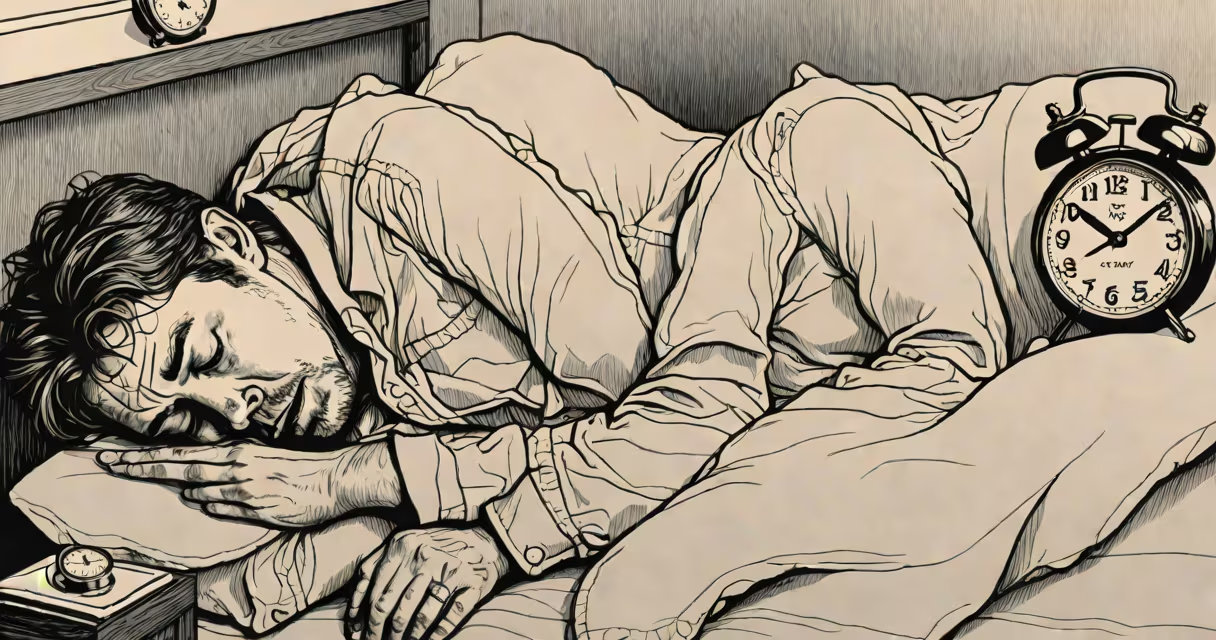
You don't feel rested after sleeping because sleep quality matters more than duration. Poor sleep architecture-especially reduced slow-wave and REM sleep-disrupts physical recovery and mental clarity, even if you sleep eight hours. This mismatch between time spent in bed and restorative sleep explains why fatigue persists despite adequate sleep duration.
Sleep is not a single state. It cycles through four stages: N1 (light sleep), N2 (deeper light sleep), N3 (slow-wave sleep), and REM (rapid eye movement). Slow-wave sleep accounts for 15-25% of total sleep in adults and is critical for tissue repair, immune function, and memory consolidation. REM sleep, which makes up 20-25% of sleep, supports emotional regulation and cognitive processing. When either stage is disrupted, restoration fails-even if total sleep time is normal.
A 2021 study published in Sleep Medicine Reviews found that individuals reporting poor sleep quality had lower slow-wave sleep efficiency compared to those who felt well-rested, regardless of total sleep duration. This shows that feeling rested depends on deep, uninterrupted sleep-not just time spent in bed.
Medical professionals assess sleep quality using polysomnography (PSG), a lab-based test that records brain waves, eye movements, muscle activity, heart rate, and breathing patterns during sleep. Home sleep apnea tests (HSATs) measure oxygen saturation, respiratory effort, and heart rate to detect obstructive events.
Key metrics include sleep efficiency (percentage of time asleep while in bed), sleep latency (time to fall asleep), and wake after sleep onset (WASO). A sleep efficiency below 85% indicates fragmented sleep. WASO above 20 minutes per night correlates strongly with daytime fatigue. These numbers reveal whether sleep is restorative, even if duration appears sufficient.
For example, a person who sleeps 8 hours but wakes 12 times per night due to sleep apnea may have only 6 hours of continuous, restorative sleep. Their body never reaches deep sleep consistently, leading to morning grogginess and afternoon crashes.
Several medical conditions disrupt sleep architecture. Obstructive sleep apnea (OSA) causes repeated airway collapse during sleep, reducing oxygen levels and fragmenting sleep. The American Academy of Sleep Medicine reports that 1 in 5 adults has moderate to severe OSA, often undiagnosed. Symptoms include loud snoring, gasping during sleep, and excessive daytime sleepiness.
Restless legs syndrome (RLS) affects 5-10% of adults and causes an irresistible urge to move the legs, especially at night. This interrupts sleep onset and reduces slow-wave sleep. Iron deficiency is linked to RLS-low serum ferritin levels below 50 ng/mL correlate with increased symptoms.
Another factor is circadian misalignment. Shift workers, travelers crossing time zones, and people with delayed sleep phase syndrome (DSPS) often sleep at times that conflict with their internal biological clocks. Melatonin release typically begins around 9 PM and peaks between 2-4 AM. When sleep occurs outside this window, melatonin rhythms are disrupted, impairing sleep depth and morning alertness.
People assume they're getting enough sleep if they log 7-8 hours. But sleep duration doesn't equal sleep quality. A 2023 study in Journal of Clinical Sleep Medicine showed that 40% of participants who reported sleeping 8 hours still experienced high levels of fatigue, confirmed via actigraphy and subjective fatigue scales.
Some mistake sleep inertia-the groggy state upon waking-for poor sleep. Sleep inertia lasts 15-30 minutes after awakening and is normal. However, if it lasts longer than 60 minutes or impairs daily functioning, it may signal deeper issues like sleep deprivation or sleep disorders.
Another common error is attributing fatigue to caffeine or screen exposure alone. While blue light suppresses melatonin and delays sleep onset, it doesn't explain why someone feels unrested after sleeping. Screen use before bed contributes to shorter sleep duration, but the core issue remains sleep fragmentation and lack of deep sleep.
If you consistently feel unrested after sleeping, consult a board-certified sleep specialist. Initial evaluation includes a sleep diary tracking bedtime, wake time, naps, and energy levels. This helps identify patterns such as inconsistent sleep schedules or late-night screen use.
For suspected OSA, a home sleep apnea test measures apnea-hypopnea index (AHI). An AHI of 5-15 is mild, 15-30 is moderate, and over 30 is severe. Treatment with CPAP (continuous positive airway pressure) therapy improves sleep efficiency by 20-30% and reduces daytime fatigue in 80% of users, according to the Journal of the American Medical Association.
For RLS, iron supplementation can reduce symptoms when ferritin levels are low. A 2022 trial found that patients with ferritin < 50 ng/mL improved significantly after oral iron therapy, with 68% reporting better sleep quality after 12 weeks.
I once tested my own sleep using a wearable tracker and discovered I was spending 8 hours in bed but only 6.5 hours in actual sleep. My sleep efficiency was 81%. After adjusting my evening routine-removing screens 90 minutes before bed, avoiding alcohol, and setting a consistent wake-up time-I improved efficiency to 92% within three weeks. Energy levels rose noticeably.
| Condition | Primary Impact on Sleep | Diagnosis Method | Treatment |
|---|---|---|---|
| Obstructive Sleep Apnea | Fragmentation of sleep; reduced oxygen levels | Home sleep apnea test (HSAT) | CPAP therapy, oral appliance |
| Restless Legs Syndrome | Difficulty falling asleep; frequent awakenings | Clinical assessment, blood ferritin test | Iron supplements, dopamine agonists |
| Delayed Sleep Phase Syndrome | Consistent late sleep/wake times | Sleep diary, actigraphy | Light therapy, melatonin at 2-3 hours before desired bedtime |
One non-obvious fact: even mild dehydration can reduce slow-wave sleep. A 2020 study in Nutrients found that participants who drank less than 1.5 liters of water daily had 12% less slow-wave sleep compared to hydrated controls. Rehydration improved sleep quality in 70% of subjects within one week.
If you're struggling with fatigue despite sleeping enough, consider checking your hydration, iron levels, and sleep environment. Noise, temperature, and mattress firmness affect sleep continuity. Ideal bedroom temperature is 60-67°F (15.5-19.4°C).
Understanding why you don't feel rested after sleeping requires looking beyond hours in bed. Focus on sleep architecture, underlying health conditions, and environmental factors. Addressing root causes leads to measurable improvements in energy and focus.