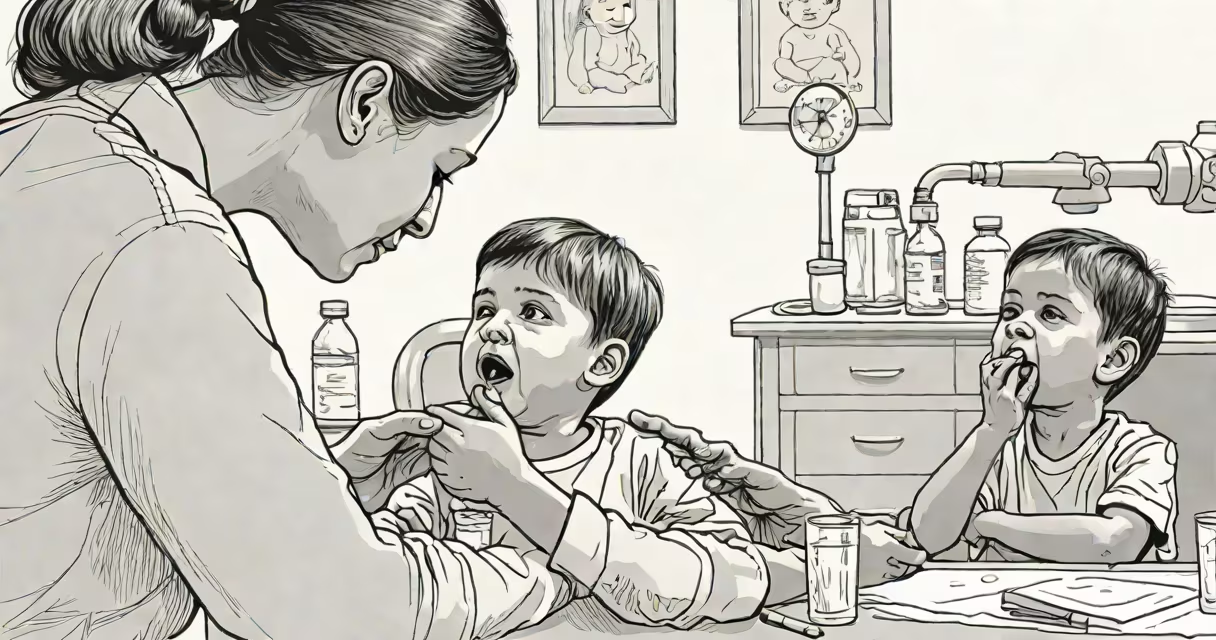
Acute gastroenteritis in pediatrics is an inflammation of the stomach and intestines caused by infection, leading to sudden onset of diarrhea, vomiting, and often fever in children under 5 years old. It typically lasts 3 to 7 days and results from viruses, bacteria, or parasites ingested through contaminated food or water.
Viruses account for approximately 70% of cases in children. Rotavirus remains the most common viral cause, especially in unvaccinated populations. Norovirus and adenovirus also contribute. Bacterial causes include *Salmonella*, *Shigella*, *Campylobacter*, and *Escherichia coli* O157:H7, which may lead to bloody diarrhea and hemolytic uremic syndrome. Parasites such as *Giardia lamblia* and *Cryptosporidium* are less frequent but still relevant in endemic areas.
Transmission occurs via the fecal-oral route, often through poor hand hygiene or contaminated surfaces. Outbreaks are common in daycare centers and schools due to close contact and inadequate sanitation. The condition is not contagious in the sense of airborne transmission but spreads rapidly through direct or indirect contact with infected stool.
The illness begins when pathogens enter the gastrointestinal tract and damage the intestinal lining. This impairs nutrient and fluid absorption, increases secretion into the bowel, and disrupts normal motility. As a result, watery diarrhea develops within hours to a day after exposure.
Children lose fluids and electrolytes through vomiting and diarrhea. Sodium, potassium, and bicarbonate depletion can lead to metabolic acidosis and hypotension. Dehydration severity is graded clinically: mild (3-5% weight loss), moderate (6-9%), and severe (≥10%). A child with severe dehydration may present with lethargy, sunken eyes, cool extremities, and delayed capillary refill.
For example, a 2-year-old with 24 hours of projectile vomiting and 8 loose stools per day, who hasn't urinated in 12 hours, shows signs of moderate dehydration. Blood tests reveal a serum sodium of 130 mmol/L and a bicarbonate level of 16 mmol/L-indicative of metabolic acidosis. This child requires intravenous rehydration.
Classification by etiology guides management. Viral infections dominate in younger children, while bacterial causes are more likely in older toddlers and those with travel history or animal exposure.
| Etiology | Common Pathogens | Typical Age Group | Distinctive Features |
|---|---|---|---|
| Viral | Rotavirus, norovirus, adenovirus | 6 months - 2 years | Watery diarrhea, low-grade fever, vomiting; no blood in stool |
| Bacterial | *Salmonella*, *Shigella*, *Campylobacter*, E. coli O157:H7 | 1-5 years | Fever, cramping, bloody diarrhea (especially with *Shigella* or E. coli) |
| Parasitic | *Giardia*, *Cryptosporidium* | 2-5 years | Prolonged diarrhea (>14 days), steatorrhea, abdominal bloating |
Rotavirus was historically responsible for nearly 50% of hospitalizations for childhood diarrhea worldwide before widespread vaccination. Since the introduction of rotavirus vaccines (RotaTeq and Rotateq), hospitalization rates have dropped by 70-90% in countries with high coverage, according to the CDC.
Most cases are diagnosed clinically based on symptoms and duration. Routine stool testing is not recommended for otherwise healthy children with mild to moderate illness. Testing is reserved for severe cases, immunocompromised patients, or suspected outbreaks.
Stool antigen tests can detect rotavirus and *Clostridioides difficile* in 15 minutes. A positive test confirms viral etiology and supports withholding antibiotics. For suspected bacterial infection, stool culture and PCR testing identify specific pathogens and guide antibiotic choice.
A common misconception is that all diarrhea requires antibiotics. This is incorrect. Antibiotics worsen outcomes in viral gastroenteritis and increase the risk of *C. difficile* infection. They are only indicated in confirmed bacterial cases-such as *Shigella* or invasive *Salmonella*-and then only after culture confirmation.
Oral rehydration therapy (ORT) is the key part of treatment. WHO-recommended ORT solution contains 75 mmol/L glucose, 75 mmol/L sodium, and 20 mmol/L potassium. It restores fluid and electrolyte balance effectively in mild to moderate dehydration.
For infants, continue breastfeeding or formula feeding during illness. Offer small, frequent sips of ORT every 5 minutes. Avoid sugary drinks like soda or juice-they can worsen diarrhea due to osmotic load. A 10 kg child with 5% dehydration needs ~500 mL of ORT over 4 hours.
Antiemetics like ondansetron are effective in reducing vomiting frequency and improving ORT tolerance. A 2018 Cochrane review found that a single dose of ondansetron reduced vomiting by 30% and decreased the need for IV fluids by 20% in children with acute gastroenteritis.
Prevention hinges on vaccination and hygiene. Two rotavirus vaccines are licensed: RotaTeq (three doses at 2, 4, and 6 months) and Rotateq (three doses at 2, 4, and 6 months). Both are effective-90% reduction in severe disease. Handwashing with soap reduces transmission by 30-50%, per the World Health Organization.
I once managed a 15-month-old boy with persistent vomiting and diarrhea lasting 48 hours. He had no fever, no blood in stool, and normal mental status. After confirming mild dehydration with clinical exam, I initiated ORT with a home-made solution (1 liter water + 6 tsp sugar + ½ tsp salt). Within 6 hours, he resumed eating and drinking normally. No antibiotics were used. He recovered fully in 48 hours.
Parents should seek care if a child has persistent vomiting, inability to keep fluids down, signs of dehydration (dry mouth, no tears, sunken fontanelle), bloody stools, high fever (>39°C), or altered mental status.
Children under 6 months, those with chronic conditions (e.g., congenital heart disease, immunodeficiency), or those who are malnourished are at higher risk for complications. Hospitalization may be needed for IV rehydration, monitoring, or further diagnostics.
Acute gastroenteritis in pediatrics is not a single entity-it's a syndrome with multiple causes requiring tailored evaluation and management. Early recognition of dehydration and appropriate rehydration prevent hospitalization and reduce mortality. Understanding the difference between viral and bacterial causes avoids unnecessary antibiotic use and preserves gut microbiome integrity.