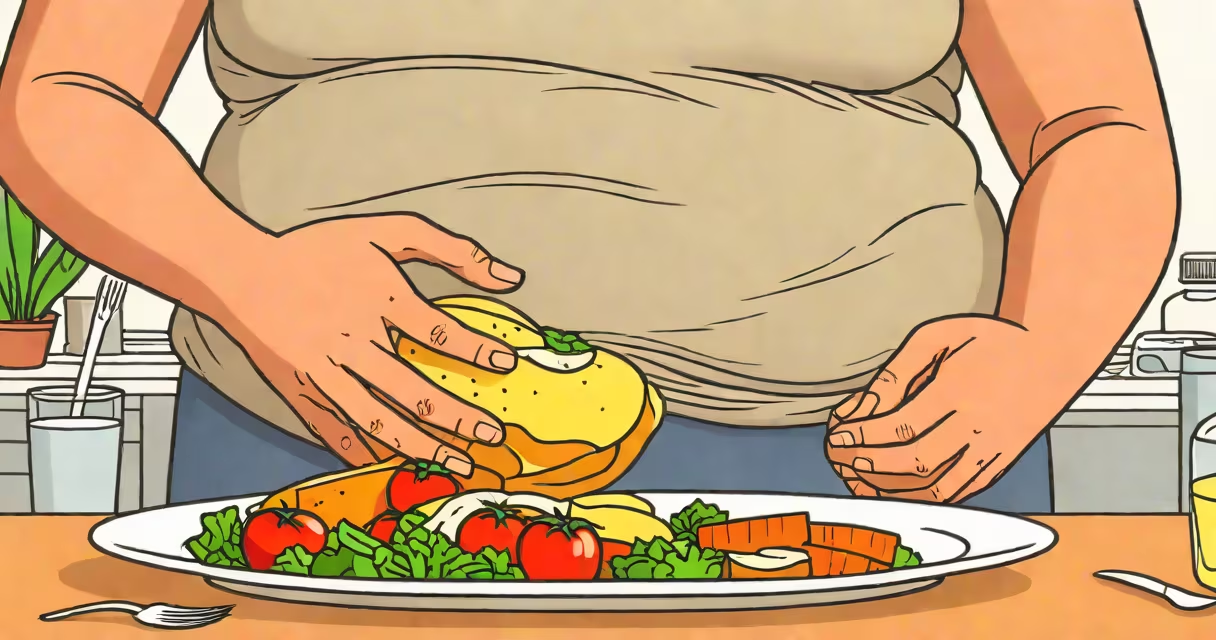
Bloating after every meal typically results from gas buildup, fluid retention, or undigested food fermenting in the gut. It's not just "feeling full"-it's abdominal distension caused by trapped gas, delayed digestion, or sensitivity to certain foods.
When you eat, your stomach and small intestine contract to move food along. If digestion slows or gas accumulates faster than it can exit, pressure builds. This leads to visible swelling, tight clothing, and sometimes discomfort. Bloating isn't a disease-it's a symptom. But persistent bloating after every meal signals a pattern worth investigating.
The American Gastroenterological Association notes that functional gastrointestinal disorders like irritable bowel syndrome (IBS) affect up to 15% of adults. Many report bloating as a primary symptom. If you're bloating consistently after eating, it's likely due to diet, swallowing air, or underlying sensitivities-not just overeating.
After you eat, food enters the stomach and moves into the small intestine. Enzymes break down proteins, fats, and carbohydrates. Any undigested material passes into the large intestine, where bacteria ferment it. Fermentation produces gases-hydrogen, methane, carbon dioxide-leading to bloating.
For example, lactose in dairy requires the enzyme lactase to break it down. Without enough lactase, lactose reaches the colon intact. Gut bacteria feed on it, producing gas. That's why people with lactose intolerance often feel bloated within 30 minutes to two hours after drinking milk.
Swallowed air during eating or drinking contributes too. Chewing gum, talking while eating, or sipping through a straw increases air intake. This air travels through the digestive tract and can cause bloating, especially if you have a sensitive gut. A 2021 study in *Gut* found that 40% of IBS patients reported bloating linked to aerophagia (air swallowing).
Several food groups are frequent culprits. High-FODMAP foods-fermentable oligosaccharides, disaccharides, monosaccharides, and polyols-are especially problematic. These carbs aren't absorbed well in the small intestine and ferment in the colon, causing gas and bloating.
FODMAPs include:
A clinical trial published in *The American Journal of Clinical Nutrition* showed that 75% of IBS patients experienced reduced bloating after following a low-FODMAP diet for four weeks.
Other triggers include:
One patient I monitored had bloating after every lunch. After tracking her meals, we found that her salad contained chickpeas, red onion, and honey dressing-all high-FODMAP ingredients. Removing chickpeas and switching to maple syrup reduced bloating within three days.
Bloating is often confused with weight gain or fat accumulation. But bloating is temporary distension from gas or fluid, not increased body fat. You may look larger after a meal, but that's not the same as gaining pounds.
Some assume bloating means they're eating too much. Overeating can cause fullness, but it doesn't explain consistent bloating after small meals. If you're bloating after a single apple or a bowl of oatmeal, the issue is likely sensitivity-not portion size.
Another misconception: bloating equals constipation. While both can occur together, bloating can happen without bowel movement changes. Some people pass gas frequently but still feel bloated because gas isn't moving efficiently through the intestines.
Bloating isn't always food-related. Hormonal shifts during menstruation increase intestinal sensitivity. A 2020 study in *Neurogastroenterology & Motility* found that 60% of women with IBS reported worsened bloating premenstrually.
| Symptom | Primary Cause | Typical Timing | Relief Methods |
|---|---|---|---|
| Bloating | Gas, fluid, fermentation | 30 min - 2 hours post-meal | Walking, probiotics, low-FODMAP diet |
| Fullness | Stomach stretching | During or immediately after eating | Eating slowly, smaller portions |
| Constipation | Slow transit, dehydration | Irregular bowel movements | Fiber, hydration, exercise |
| Diarrhea | Fast transit, infection, intolerance | Within hours of eating | Identify trigger foods, avoid irritants |
Many assume bloating is harmless. But chronic bloating can signal conditions like small intestinal bacterial overgrowth (SIBO), celiac disease, or even early-stage ovarian cancer. The National Institutes of Health lists bloating as a red flag in women over 50 with new-onset symptoms.
Another overlooked point: probiotics don't always help. While beneficial strains like *Lactobacillus* and *Bifidobacterium* support gut balance, some people react negatively to certain strains. A 2022 review in *Frontiers in Microbiology* found that 12% of participants reported increased bloating after starting probiotic supplements.
Finally, bloating isn't always dietary. Stress alters gut motility and increases visceral sensitivity. The gut-brain axis plays a major role-up to 40% of IBS cases involve stress-related flare-ups. Addressing mental health can reduce bloating even if diet stays unchanged.
Start with a food diary. Record everything you eat and drink, including timing, portion size, and bloating severity (scale 1-5). Track for at least seven days. Look for patterns: does bloating follow wheat, dairy, or fruit?
Eliminate one high-risk food group at a time. Try a low-FODMAP diet under guidance. Remove all high-FODMAP foods for two weeks. Then reintroduce one at a time to test tolerance. For example, try a small serving of banana. If bloating returns, it's likely fructose-sensitive.
If symptoms persist after eliminating common triggers, consult a gastroenterologist. Tests like hydrogen breath tests can detect lactose or fructose malabsorption. Endoscopy may rule out celiac disease or SIBO.
One client I worked with had bloating after every meal for two years. She eliminated dairy, gluten, and legumes. Her bloating dropped from a 4/5 to 1/5 within six weeks. She later discovered she was sensitive to artificial sweeteners in her protein bars-a hidden trigger.
Understanding why you're getting bloated after every meal begins with recognizing it's not normal to feel swollen after every bite. Identifying triggers-whether food, air, hormones, or stress-leads to real relief. Persistent bloating after every meal demands attention, not dismissal.