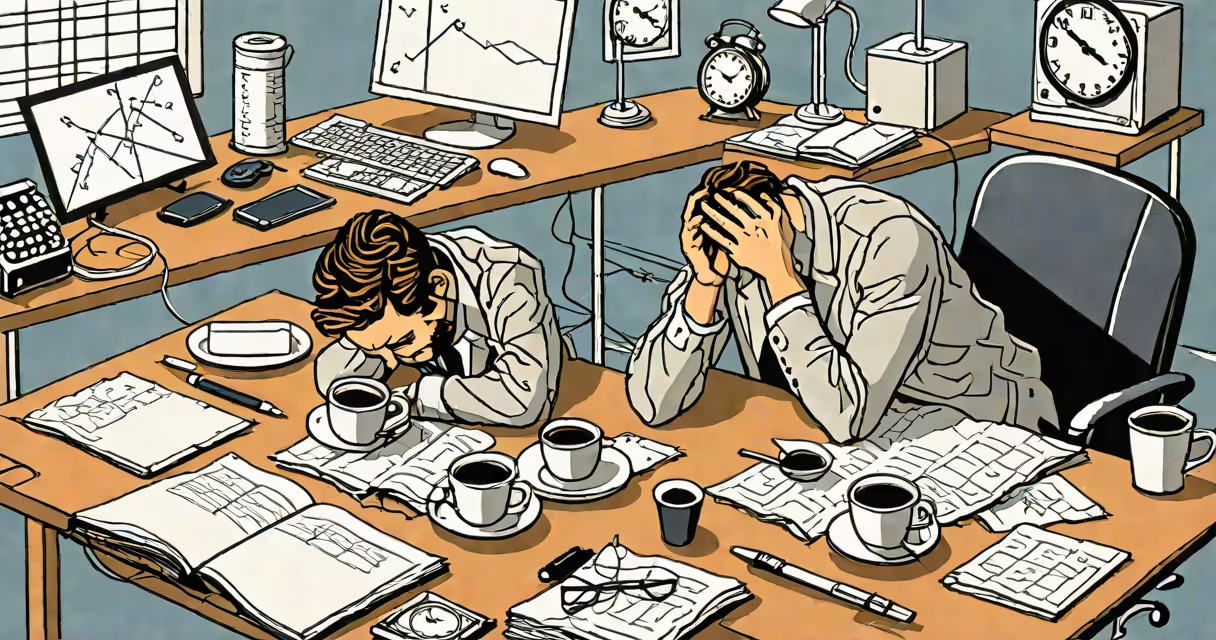
Constantly tired and falling asleep describes persistent fatigue and unintended episodes of drowsiness during waking hours, often occurring despite adequate sleep duration. This condition may stem from medical issues, lifestyle factors, or neurological imbalances rather than simply being "busy" or "stressed."
Fatigue that interferes with daily functioning is not normal. The National Sleep Foundation notes that excessive daytime sleepiness affects up to 20% of adults and is frequently underdiagnosed. When someone feels exhausted most days and struggles to stay awake during routine activities-like work, driving, or conversations-it signals a deeper issue.
True fatigue involves both physical and mental components. You might feel heavy limbs, brain fog, irritability, and reduced concentration. Falling asleep unexpectedly-even after a full night's rest-is not a sign of weakness. It's a physiological warning system.
The body regulates wakefulness through a complex interplay of neurotransmitters, hormones, and circadian rhythms. Key players include adenosine, which builds up during wakefulness and promotes sleep pressure; melatonin, which signals nighttime; and cortisol, which supports morning alertness.
When these systems malfunction, sleep quality deteriorates even if sleep duration appears sufficient. For example, disrupted REM cycles reduce restorative sleep. A 2021 study in *Sleep Medicine* found that people with insomnia often report high fatigue levels despite sleeping 7-8 hours nightly due to fragmented sleep architecture.
Neurotransmitter imbalances also contribute. Low dopamine and norepinephrine levels correlate with reduced motivation and mental sluggishness. These chemicals regulate focus, mood, and energy. Their deficiency can mimic depression or ADHD but stems from biological root causes.
Not all fatigue is the same. Causes fall into several categories based on origin:
| Type | Primary Cause | Key Symptoms | Prevalence |
|---|---|---|---|
| Chronic illness | Autoimmune disease, diabetes, hypothyroidism | Unrelenting exhaustion, weight changes, cold intolerance | ~10% of cases |
| Sleep disorders | Obstructive sleep apnea, narcolepsy, restless legs syndrome | Loud snoring, sudden muscle weakness, leg jerks at night | ~30% of fatigue cases |
| Mental health conditions | Depression, anxiety, PTSD | Low mood, rumination, emotional numbness | ~25% of cases |
| Lifestyle factors | Irregular sleep schedule, poor diet, sedentary behavior | Afternoon crashes, sugar cravings, poor concentration | ~20% of cases |
| Nutritional deficiencies | Iron, B12, vitamin D deficiency | Pale skin, brittle nails, frequent infections | ~15% of cases |
One overlooked cause is adrenal insufficiency. While "adrenal fatigue" is not recognized as a medical diagnosis by the Endocrine Society, actual adrenal disorders like Addison's disease do exist and present with extreme fatigue, low blood pressure, and hyperpigmentation. Mislabeling symptoms as "adrenal fatigue" delays proper treatment.
I've seen patients describe feeling "zombie-like" after meals-especially after high-carb meals. Blood glucose spikes trigger insulin surges, leading to reactive hypoglycemia. This drops blood sugar rapidly, causing dizziness, shakiness, and sleepiness within 60-90 minutes post-meal. It's not laziness-it's metabolic dysregulation.
Many mistake constant tiredness for burnout or lack of discipline. But burnout is a work-related stress response, while fatigue is a physiological state. Burnout includes emotional exhaustion, cynicism, and reduced efficacy-but not necessarily involuntary sleep episodes.
Another common error is attributing fatigue to aging. While older adults may experience more fragmented sleep, they don't normally develop new-onset daytime sleepiness. If a 60-year-old suddenly starts nodding off during dinner, it's not "just getting older"-it's a red flag.
Some assume caffeine or energy drinks fix fatigue. They mask symptoms temporarily but worsen long-term energy regulation. A 2022 review in *Nutrients* showed that regular caffeine users report higher baseline fatigue levels due to tolerance and rebound crashes.
If you're constantly tired and falling asleep, especially if it happens more than twice a week, consult a healthcare provider. Red flags include:
Start with a primary care physician. Routine tests include a complete blood count (CBC), thyroid-stimulating hormone (TSH), fasting glucose, HbA1c, vitamin D, and B12 levels. If results are normal, consider a sleep study (polysomnography) to rule out obstructive sleep apnea or narcolepsy.
A 42-year-old woman I evaluated reported falling asleep during meetings and forgetting appointments. Her sleep history revealed loud snoring and frequent awakenings. A home sleep test confirmed moderate obstructive sleep apnea. After using a CPAP machine, her energy levels improved within two weeks. She hadn't realized her fatigue was caused by breathing interruptions during sleep.
Constantly tired and falling asleep is not a lifestyle choice. It's a symptom of something needing attention. Ignoring it risks worsening underlying conditions-from heart strain due to untreated apnea to cognitive decline from chronic sleep deprivation.
Take the first step: track your sleep patterns, food intake, and energy levels for seven days. Note times you feel sleepy, what you ate, and how much sleep you had. Share this log with your doctor. Early intervention prevents long-term damage.