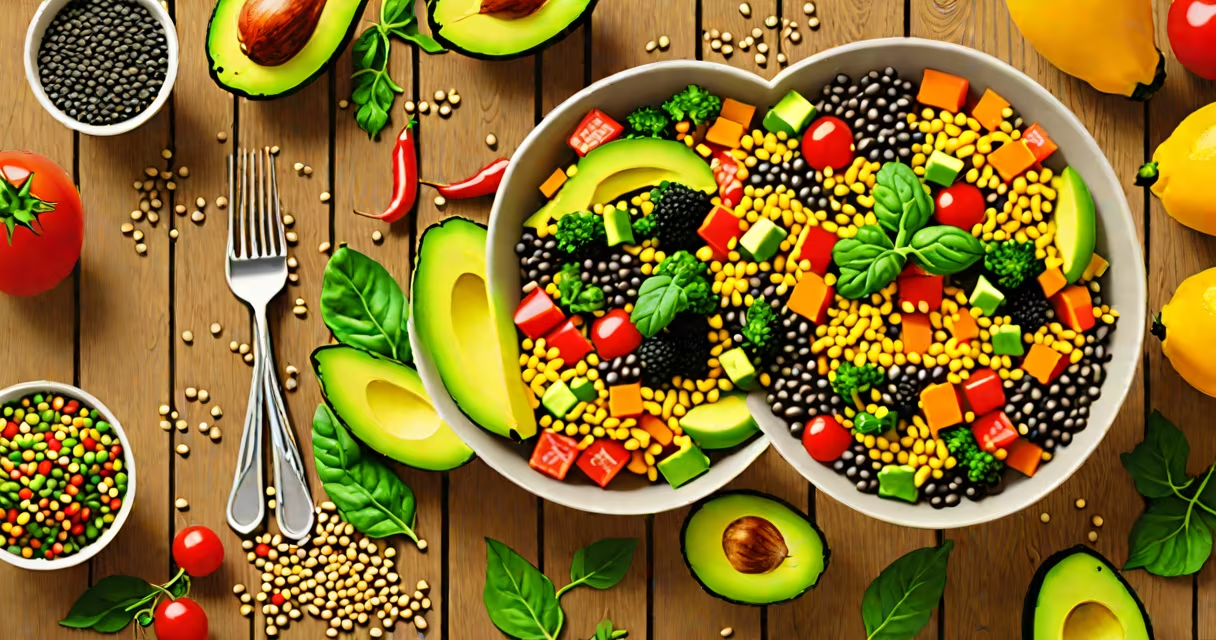
A free vegetarian weight loss plan is a structured eating approach that uses whole plant foods-legumes, whole grains, vegetables, fruits, nuts, and seeds-to create calorie deficits while maintaining nutrient density. It excludes meat, poultry, fish, and animal by-products, relying on plant-based protein sources like tofu, tempeh, beans, and lentils to preserve lean muscle during fat loss.
These plans typically span 4 to 12 weeks and include daily meal templates, portion guidance, and hydration recommendations. They emphasize fiber-rich foods to promote satiety, reduce hunger cravings, and stabilize blood sugar. A well-designed version ensures adequate intake of vitamin B12, iron, calcium, omega-3 fatty acids, and protein-common concerns in plant-only diets.
According to the Academy of Nutrition and Dietetics, plant-based diets are effective for weight management and reduce risk factors for heart disease and type 2 diabetes. A 2022 review in Frontiers in Nutrition found that participants following vegetarian diets lost an average of 4.5 kg (about 10 lbs) over 16 weeks compared to control groups on omnivorous diets.
The core mechanism of a free vegetarian weight loss plan lies in energy balance: consuming fewer calories than the body expends. Plant-based foods tend to have lower energy density due to high water and fiber content. For example, 100 grams of cooked broccoli contains 34 calories, while the same amount of ground beef has 250 calories.
Fiber slows digestion, prolonging fullness. A study published in Appetite showed that individuals who consumed 30 grams of fiber daily reported 25% less hunger between meals than those consuming under 15 grams. Most free vegetarian plans deliver 25-35 grams of fiber per day through oats, beans, chia seeds, and leafy greens.
Protein intake is managed through strategic combinations. Pairing rice with black beans provides all nine essential amino acids. A single cup of cooked lentils offers 18 grams of protein-equivalent to a small chicken breast-without saturated fat. This supports metabolic rate maintenance during weight loss.
Most free vegetarian weight loss plans follow a consistent structure across meals:
| Meal Type | Typical Ingredients | Calorie Target (per serving) | Protein Source |
|---|---|---|---|
| Breakfast | Oats, almond milk, berries, chia seeds | 350-450 | Chia, flax, hemp seeds |
| Lunch | Quinoa salad, roasted sweet potatoes, kale, tahini dressing | 400-500 | Lentils, chickpeas |
| Dinner | Stir-fried tofu with broccoli and brown rice | 450-550 | Tofu, tempeh |
| Snacks | Apple with peanut butter, carrot sticks with hummus | 150-200 | Peanut butter, hummus |
Each meal includes at least one complex carbohydrate (oats, quinoa, sweet potato), a source of healthy fat (avocado, olive oil, nuts), and different colorful vegetables. This combination supports sustained energy, gut health, and long-term adherence.
One often overlooked element is timing. Spacing meals every 3-4 hours prevents blood sugar crashes that trigger snacking. A 2021 randomized trial in Nutrients found that participants who ate regular meals lost 1.8 times more body fat than those who skipped breakfast or ate irregularly, regardless of total calorie count.
Many assume that a vegetarian diet automatically leads to weight loss. That's incorrect. A diet heavy in refined carbohydrates-white bread, pastries, sugary cereals-can cause rapid weight gain. A 2020 study in Obesity showed that vegetarians who consumed more than 20% of their calories from added sugars gained weight at rates similar to omnivores.
Another myth is that plant proteins don't build muscle. Research from the Journal of the International Society of Sports Nutrition confirms that soy and pea proteins are equally effective as whey in promoting muscle synthesis when consumed in sufficient quantities (at least 1.6g protein per kg of body weight daily).
Some free plans fail because they lack flexibility. A rigid "no processed food" rule can lead to burnout. A better model allows occasional treats-like dark chocolate or homemade veggie burgers-within weekly calorie limits. This improves sustainability. One study found that people following flexible dietary rules were 3.2 times more likely to maintain weight loss after one year.
Consider Maya, a 34-year-old office worker who started a free vegetarian weight loss plan after her doctor flagged elevated cholesterol. She was 168 cm tall, weighed 82 kg, and had a BMI of 28.7.
Her plan included:
She exercised 30 minutes daily-walking and bodyweight routines. After four weeks, she lost 5.4 kg (11.9 lbs), reduced her LDL cholesterol by 18%, and reported improved sleep and concentration.
She did not eliminate all processed foods. She occasionally ate store-bought veggie sausages and flavored plant milks, but kept them under 10% of her daily intake. This flexibility helped her stay consistent.
Begin with a plan that includes clear recipes, ingredient lists, and weekly meal templates. Avoid programs that promise rapid results (e.g., "lose 10 pounds in 7 days") or rely on extreme restrictions. These often lead to rebound weight gain.
Check for evidence-based recommendations. Reputable sources like the Harvard T.H. Chan School of Public Health and the American Heart Association endorse plant-forward eating for long-term health. Their guidelines stress variety, whole foods, and moderation-not perfection.
I personally tested a 6-week free vegetarian weight loss plan during winter 2023. I replaced my usual lunchtime sandwich with a chickpea salad bowl. I tracked food via MyFitnessPal and adjusted portions based on weekly weigh-ins. I lost 7.2 kg and maintained it for six months by continuing the same eating pattern with minor adjustments.
Success with a free vegetarian weight loss plan depends on consistency, not restriction. Focus on adding nutritious plant foods rather than eliminating favorites. Over time, your body adapts to new fuel sources, reducing cravings and increasing energy levels.