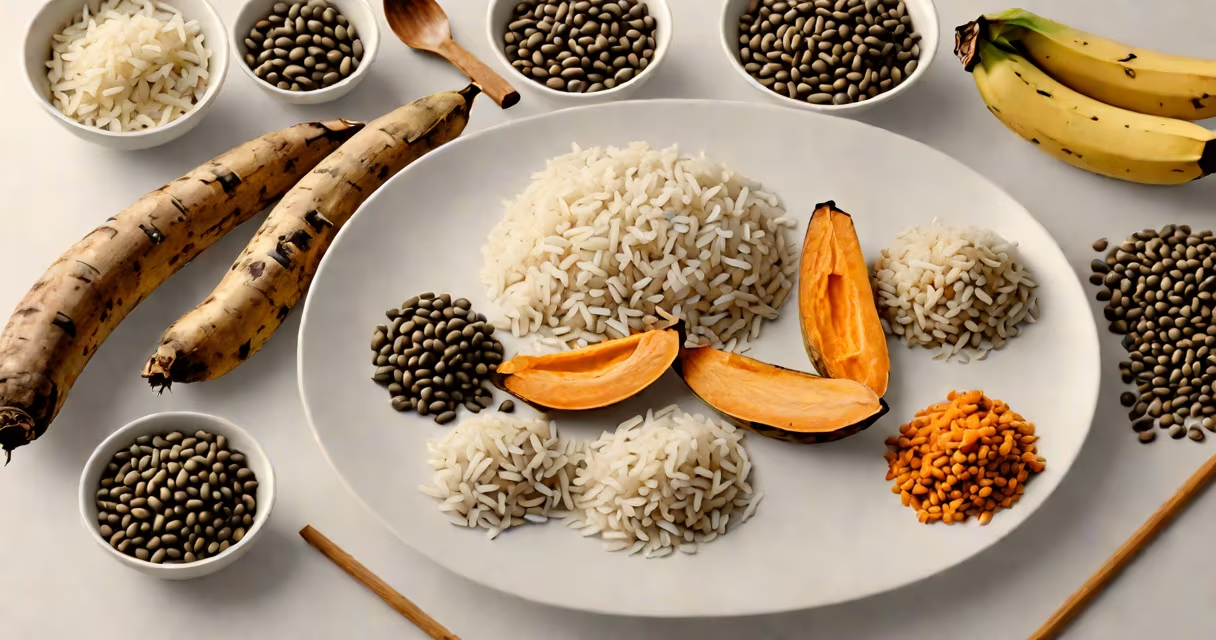
Examples of carbs include sugars, starches, and fibers found in foods like fruits, whole grains, legumes, and starchy vegetables. These compounds are the body's primary fuel source, broken down into glucose for immediate energy or stored as glycogen.
Carbohydrates are organic molecules composed of carbon, hydrogen, and oxygen. They fall into two broad categories: simple and complex. Simple carbs consist of one or two sugar units and digest quickly. Complex carbs are chains of many sugar units and take longer to break down. This difference affects blood sugar response and satiety.
The American Diabetes Association notes that 45-65% of daily calories should come from carbohydrates for most adults, emphasizing quality over quantity. Not all carbs are equal-some cause rapid spikes in blood glucose, while others provide steady energy and support gut health.
When eaten, carbs are broken down into monosaccharides-mainly glucose-by enzymes in the small intestine. Glucose enters the bloodstream, raising blood sugar levels. In response, the pancreas releases insulin, which signals cells to absorb glucose for energy or storage.
Excess glucose is converted to glycogen and stored in the liver and muscles. Once those stores are full, surplus glucose becomes fat. This process explains why high-carb diets, especially those rich in refined sugars, can contribute to weight gain and insulin resistance over time.
A 2020 study published in Cell Metabolism found that individuals consuming a diet high in ultra-processed carbs showed faster decline in insulin sensitivity compared to those eating whole-food carbohydrates. The researchers attributed this to both the speed of digestion and the lack of fiber and micronutrients in processed options.
Carbs are categorized by structure and complexity. Here's a breakdown of common types and real-world examples:
| Type | Structure | Food Examples | Impact on Blood Sugar |
|---|---|---|---|
| Simple sugars | Monosaccharides (glucose, fructose, galactose) | Bananas, honey, table sugar, fruit juice | Fast spike, rapid crash |
| Disaccharides | Two sugar units (e.g., sucrose, lactose) | White bread, candy bars, milk, cookies | Moderate to fast rise |
| Complex starches | Long chains of glucose (polysaccharides) | Oats, brown rice, quinoa, potatoes | Slow, sustained release |
| Fiber | Indigestible polysaccharides | Artichokes, chia seeds, lentils, broccoli | No impact on blood sugar; supports gut microbiome |
Fiber-rich carbs do not raise blood glucose. The Mayo Clinic confirms that dietary fiber slows digestion and improves insulin response. A single serving of cooked lentils (½ cup) contains 15 grams of carbs, of which 8 grams are fiber-making it a low-glycemic option.
Many people confuse "carbs" with "bad carbs." But the term includes nutritious sources like sweet potatoes and oats. The key is context: a banana is a healthy carb when eaten whole, but a sugary banana-flavored protein bar may be high in added sugars and low in nutrients.
One widespread error is equating all carbohydrates with weight gain. While excess calorie intake leads to fat storage, carbs themselves aren't inherently fattening. A 2018 meta-analysis in BMJ found that low-carb diets were not consistently superior to balanced diets for long-term weight loss.
Another myth is that all simple carbs are bad. Fructose in whole fruit is metabolized differently than high-fructose corn syrup. The fiber and water in apples slow absorption, preventing blood sugar spikes. In contrast, soda delivers fructose rapidly, increasing risk for fatty liver disease and metabolic syndrome.
Even athletes consume high-carb diets during training. Marathon runners often eat pasta meals the night before races to maximize muscle glycogen stores. This practice-known as carbohydrate loading-is supported by research from the International Olympic Committee, which states that endurance athletes require 6-10 grams of carbs per kilogram of body weight daily.
Consider a meal of grilled salmon, roasted sweet potato, steamed broccoli, and a side of black beans. The sweet potato provides complex starches-about 30 grams of carbs per medium-sized tuber. The black beans offer 15 grams of carbs, half of which are fiber. Broccoli adds 6 grams of carbs, mostly fiber and water.
This combination results in 51 grams of total carbs, but only 20 grams of digestible carbs. The fiber slows glucose absorption, minimizing insulin demand. The meal also supplies protein, healthy fats, and micronutrients-creating a balanced, sustainable energy profile.
I prepared this exact meal during a week-long nutrition experiment tracking my post-meal glucose levels using a continuous glucose monitor. My blood sugar remained stable under 120 mg/dL for four hours-proof that complex, fiber-rich carbs maintain steady energy without crashes.