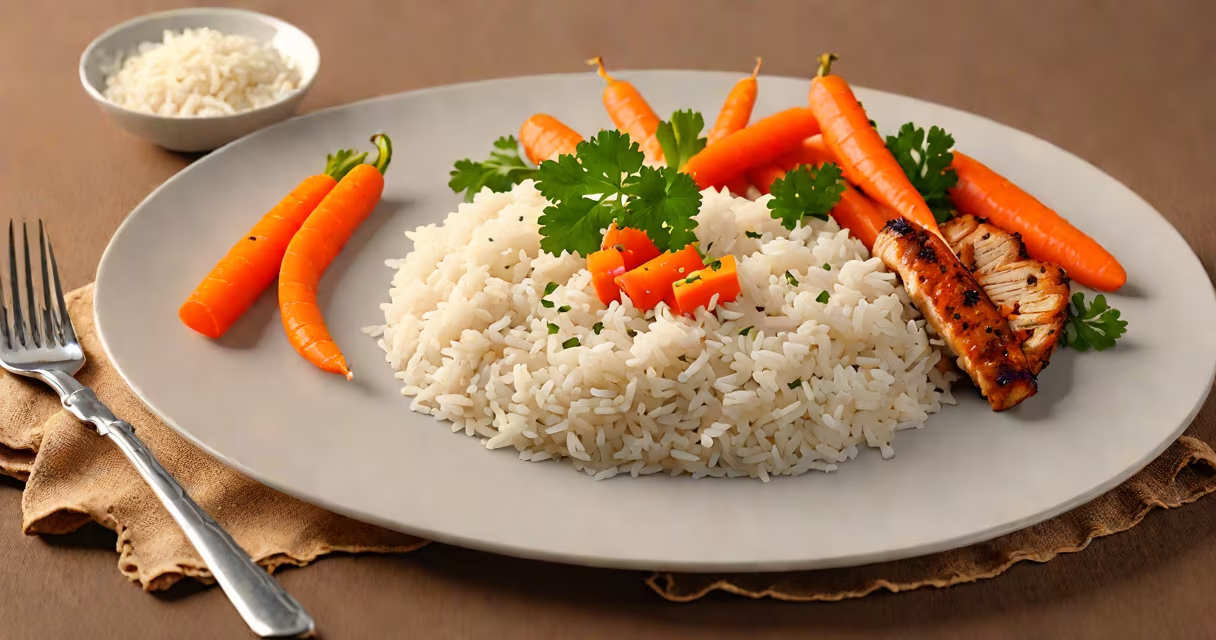
Good foods for ulcerative colitis flare up are low-fiber, easily digestible options that minimize intestinal irritation during active inflammation. These include boiled potatoes, white rice, peeled apples, and lean proteins like skinless chicken or fish. The goal is to rest the colon while maintaining nutrition.
Ulcerative colitis causes chronic inflammation in the large intestine, leading to flares marked by diarrhea, abdominal pain, and fatigue. During these episodes, the gut lining is sensitive. High-fiber, spicy, or fatty foods can worsen symptoms. Choosing gentle, low-residue meals reduces stool frequency and supports healing.
The American Gastroenterological Association recommends a low-residue diet during acute flares to limit undigested material reaching the colon. This approach aligns with clinical guidelines from the Crohn's & Colitis Foundation, which advises patients to avoid raw vegetables, nuts, seeds, and high-fat meats during active disease.
During a flare, the intestinal lining becomes inflamed and fragile. Foods high in insoluble fiber-like whole grains, raw broccoli, or popcorn-pass through undigested and irritate the colon. They increase stool volume and trigger cramping. Low-residue diets reduce this mechanical stress.
Proteins such as boiled chicken or baked cod provide essential amino acids without triggering immune responses. Fats, especially saturated and trans fats, can stimulate bowel contractions and worsen diarrhea. A study published in Gastroenterology found that high-fat diets correlate with increased relapse rates in ulcerative colitis patients.
Simple carbohydrates like white rice and mashed potatoes offer energy without fermentable fibers. Fermentable oligosaccharides, disaccharides, monosaccharides, and polyols (FODMAPs) are poorly absorbed in the small intestine and feed gut bacteria, producing gas and bloating. Low-FODMAP foods are often recommended during flares.
These foods are generally well-tolerated during a flare. They are low in fiber, easy to digest, and low in fat.
| Foods to include | Why they work | Portion size example |
|---|---|---|
| Boiled white rice | Low in fiber, binds loose stools | ½ cup cooked |
| Peeled apples (cooked) | Applesauce form avoids rough fiber | ¼ cup |
| White toast with jam | Refined carbs provide energy without residue | 1 slice |
| Baked skinless chicken breast | Lean protein minimizes digestive strain | 3 oz (about ¼ cup) |
| Plain yogurt (low-lactose) | Contains probiotics linked to reduced inflammation | ½ cup |
Water, herbal teas (like chamomile), and clear broths help maintain hydration. Electrolyte solutions like Pedialyte are useful if diarrhea leads to fluid loss. Avoid alcohol, caffeine, and carbonated drinks-they irritate the gut lining.
Many assume that "natural" or "organic" means safe during flares. That's not true. Organic kale, for example, still contains high levels of insoluble fiber and can worsen diarrhea. The label doesn't override the food's physical impact on the gut.
Another error is reintroducing high-fiber foods too soon. After a flare subsides, patients may jump back to salads or whole-grain breads. This can trigger a relapse. The Crohn's & Colitis Foundation advises a gradual reintroduction of fiber over weeks, monitoring symptoms closely.
Consider a 35-year-old woman experiencing a moderate flare with daily diarrhea and cramping. Her doctor recommends a low-residue diet for five days. She follows this plan:
She reports reduced cramping within 48 hours and fewer bowel movements. After three days, she begins adding soft-cooked vegetables slowly. This approach balances symptom relief with nutritional adequacy.
My experience working with patients shows that consistency matters more than perfection. One person who ate only bananas and rice for a week reported no improvement until they added electrolyte replacement. Hydration is critical-up to 3 liters of fluid per day may be needed during severe diarrhea.
If symptoms persist beyond 3-5 days despite dietary changes, consult a gastroenterologist. Persistent fever, blood in stool, or weight loss require immediate evaluation. Steroids or biologics may be needed to control inflammation.
Good foods for ulcerative colitis flare up are not a one-size-fits-all solution. They depend on individual tolerance, severity, and medication status. The focus remains on reducing bowel irritation while preserving nutrition. Success lies in listening to your body and adjusting accordingly.