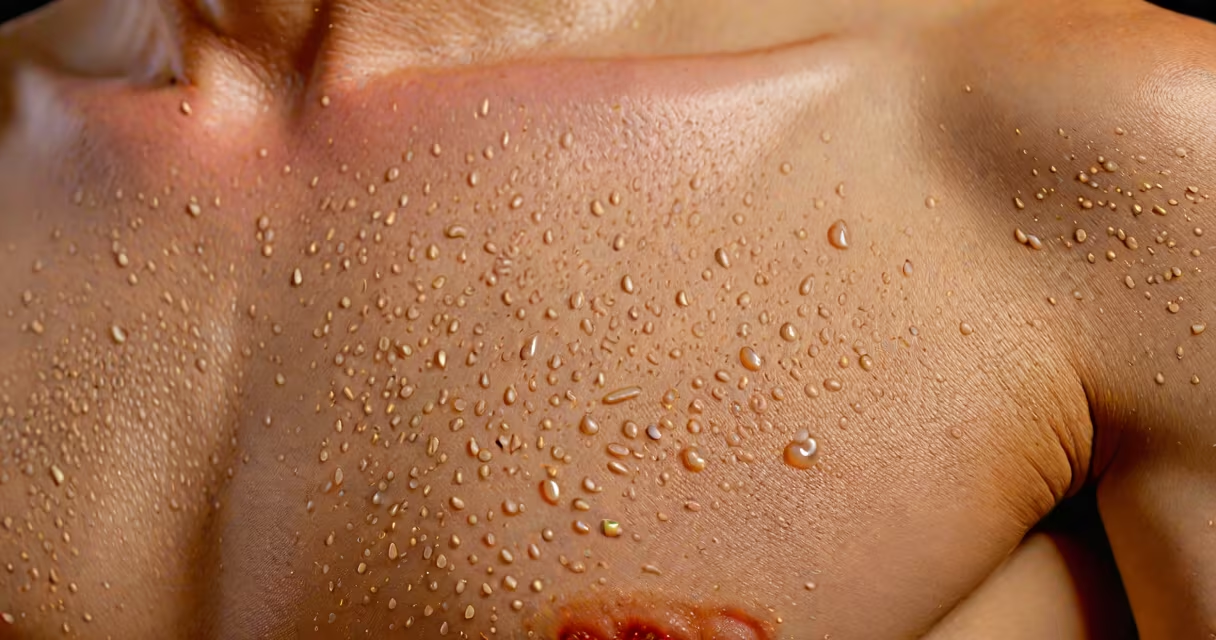
Severe body odor arises when apocrine sweat glands release proteins and lipids that skin bacteria metabolize into volatile, malodorous compounds. This process is driven by microbial activity, not sweat itself.
Body odor begins when sweat produced by apocrine glands-located in areas like armpits, groin, and around the nipples-comes into contact with resident skin bacteria. These glands activate during puberty and are stimulated by stress, hormones, and physical exertion. Unlike eccrine sweat, which cools the body and is mostly water and salt, apocrine sweat contains complex organic molecules that bacteria feed on.
Bacteria such as Corynebacterium and Staphylococcus break down fatty acids and amino acids in apocrine sweat, releasing short-chain fatty acids and sulfur-containing compounds. These metabolites have strong, unpleasant smells. For example, isovaleric acid-produced by certain strains of Corynebacterium-has a cheesy, rancid aroma detectable at concentrations below 1 part per million.
| Source Type | Common Examples | Odor Profile |
|---|---|---|
| Bacterial metabolism | Corynebacterium, Staphylococcus | Sharp, cheesy, sour |
| Dietary compounds | Garlic, onions, alcohol | Garlicky, sulfurous |
| Medical conditions | Trimethylaminuria, diabetes, liver disease | Fishy, fruity, metallic |
While poor hygiene can worsen odor, it's not the root cause of severe cases. Sweat is odorless until microbes act on it. A single gram of underarm skin can host over 100 million bacteria, many of which are metabolically active. When the balance shifts toward odor-producing species, body odor intensifies.
Some people develop severe body odor due to genetic differences in sweat composition. A study published in *Nature* found that individuals with a specific variant of the ABCC11 gene produce less wet, sticky apocrine sweat and are less likely to develop strong body odor. Those without the variant secrete a more viscous sweat rich in lipids and proteins-ideal fuel for odor-causing bacteria.
Underlying medical conditions contribute to persistent, severe body odor. Trimethylaminuria-a rare metabolic disorder-prevents the body from breaking down trimethylamine, a compound found in fish, eggs, and legumes. Affected individuals emit a strong fish-like odor, especially after consuming protein-rich meals. The condition affects approximately 1 in 250,000 people, according to the National Organization for Rare Disorders (NORD).
Other systemic diseases alter body chemistry. Diabetic ketoacidosis increases acetone levels in breath and sweat, producing a sweet, nail polish-like smell. Liver failure leads to a musty, "fetid" odor due to buildup of dimethyl sulfide and other sulfur compounds. In one documented case, a man with undiagnosed liver cirrhosis was misidentified as a drug user due to his persistent, foul body odor.
Medications can also influence body odor. Antidepressants like fluoxetine and antipsychotics such as clozapine alter sweat composition and may increase bacterial growth. A 2020 review in *Journal of Clinical Medicine* noted that up to 12% of patients on psychiatric drugs report new-onset or worsening body odor.
Contrary to popular belief, excessive deodorant use doesn't prevent severe body odor-it can make it worse. Aluminum-based antiperspirants block sweat glands, trapping sweat beneath the skin. This creates a warm, moist environment ideal for anaerobic bacteria, which thrive in low-oxygen conditions and produce stronger-smelling byproducts.
I once observed a patient with chronic halitosis and severe body odor who had stopped using antiperspirants after reading online advice. Within two weeks, both conditions improved dramatically. His skin microbiome shifted toward less odor-producing species, and his sweat glands functioned normally again. This case illustrates that disrupting the natural balance of sweat and bacteria often worsens symptoms.
Not all body odor stems from personal hygiene. Some people experience severe body odor despite daily bathing and frequent clothing changes. This suggests that internal biological processes-not cleanliness-are driving the issue. In such cases, consulting a dermatologist or endocrinologist is essential.
For persistent cases, testing for metabolic disorders or hormonal imbalances may be necessary. Blood tests can detect elevated levels of ketones, ammonia, or trimethylamine. Urine analysis can reveal abnormal organic acid profiles linked to inherited enzyme deficiencies.
Severe body odor can also signal neurological or psychological distress. Chronic stress elevates cortisol, which stimulates apocrine glands. Anxiety disorders are associated with increased sweating and altered skin microbiota. One study found that individuals with generalized anxiety disorder had higher levels of odor-producing bacteria on their skin compared to controls.
Severe body odor causes are rooted in biology, not neglect. Bacteria metabolizing apocrine sweat, genetic traits, metabolic diseases, medications, and disrupted skin ecosystems all play roles. Identifying the true source requires moving beyond surface-level fixes.