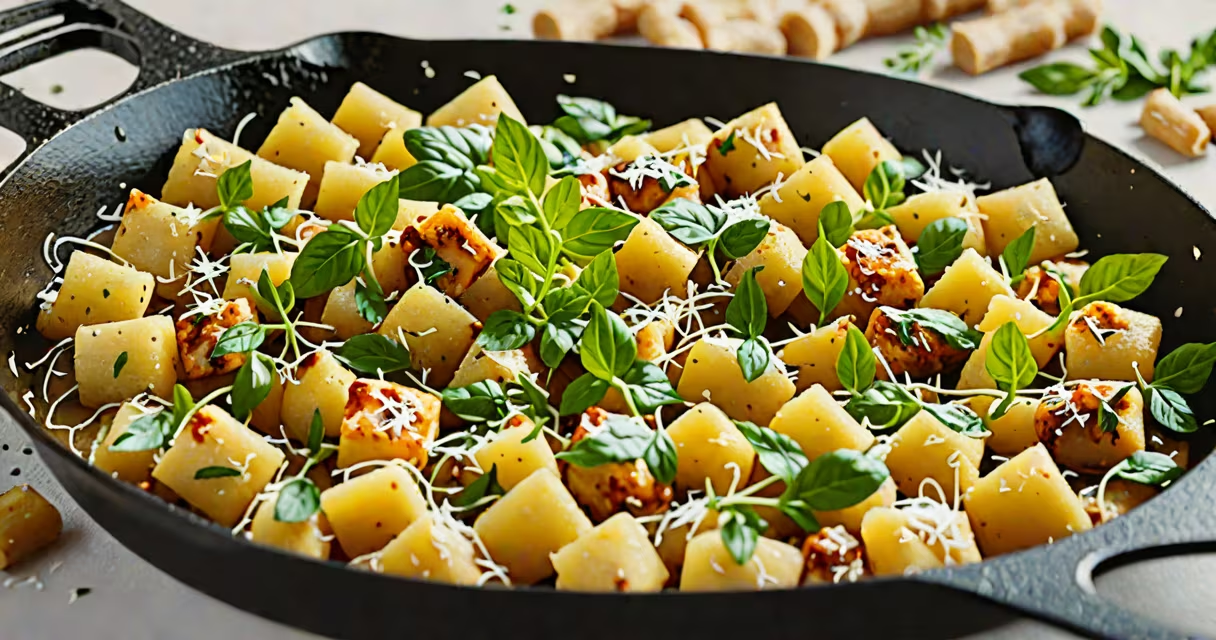
A homemade gnocchi recipe transforms boiled potatoes, flour, and egg into soft, tender dumplings that hold sauce and crisp slightly when pan-fried. The dish relies on precise moisture control and gentle handling to avoid dense results.
Gnocchi originated in northern Italy as a way to stretch limited ingredients. Modern versions use russet or Yukon Gold potatoes, which yield a fluffy base when properly cooked and drained. The dough forms when mashed potatoes mix with flour and egg-just enough to bind without overworking. Overmixing develops gluten, turning gnocchi rubbery. A fork or potato masher gives the best texture; a food processor ruins it.
Each batch makes about 60 small dumplings. They cook in under two minutes in boiling salted water. Once they float, they're done. Drain immediately. Serve warm with browned butter and sage, tomato sauce, or pesto. For a crispy finish, sear in a hot pan with oil or butter.
The success of a homemade gnocchi recipe hinges on moisture balance. Too much liquid leads to sticky dough and heavy dumplings. Too little causes dry, crumbly pieces. Potatoes must be fully drained after boiling-any excess water evaporates during mashing. Cold potatoes absorb less flour, reducing the risk of toughness.
Flour adds structure. All-purpose flour works best. Using too much causes gnocchi to sink instead of float. A ratio of 1 cup mashed potato to ⅓ cup flour yields consistent results. Adding a pinch of salt and a dash of nutmeg enhances flavor subtly. The egg binds the mixture but doesn't replace the potato's role as the primary base.
After mixing, roll the dough into ropes about ¾ inch thick. Cut into 1-inch segments. Press each piece with a fork to create ridges that catch sauce. These ridges also help the dumplings hold their shape during cooking.
Core ingredients in a homemade gnocchi recipe are simple: peeled and cubed potatoes, all-purpose flour, large egg, salt, and optional nutmeg. Use starchy potatoes-russets or Yukon Golds. Waxy varieties like red potatoes don't work well because they retain more water.
Flour types matter. Bread flour increases elasticity and can lead to chewy gnocchi. Cake flour lacks strength and may result in fragile dumplings. All-purpose flour strikes the right balance. Use ⅓ cup per 1 cup mashed potato. Measure by volume, not weight, unless you have a scale.
For variation, some recipes substitute 1-2 tablespoons of semolina flour for part of the all-purpose. Semolina adds texture and helps prevent sticking. Others add a spoonful of ricotta or grated Parmesan for richness. But these changes alter the classic profile.
| Type | Base Ingredient | Texture | Best Sauce Pairing |
|---|---|---|---|
| Potato gnocchi | Mashed potato | Light, airy, holds shape | Brown butter & sage, tomato, pesto |
| Spinach gnocchi | Potato + pureed spinach | Slightly green, firmer | Creamy sauces, cheese-based |
| ricotta gnocchi | Ricotta + flour | Denser, softer | Fruit compote, light butter |
Common errors include using wet potatoes, over-flouring, and over-mixing. Wet potatoes make dough sticky and hard to handle. After boiling, drain thoroughly and let cool completely. If the potatoes are still warm, they release steam and make the dough gummy.
Over-flouring causes gnocchi to become tough. A good rule: add flour gradually until the dough holds together without sticking to hands. If it feels dry, add a teaspoon of milk. If it's sticky, sprinkle in more flour-but only a few pinches at a time.
Over-mixing develops gluten. Fold the dough gently with a spatula or wooden spoon. Do not knead. Once shaped, keep the dumplings covered with a damp cloth while cooking to prevent drying out.
Homemade gnocchi recipe is central to Italian home cooking, especially in regions like Emilia-Romagna and Tuscany. It appears in family meals, holiday gatherings, and restaurant menus. Its versatility allows pairing with both light and rich sauces.
Restaurants often serve gnocchi with brown butter and sage-a classic that highlights the dumpling's delicate texture. In home kitchens, people adapt the recipe for weeknight dinners or weekend projects. The process takes 30 minutes from start to finish, including boiling potatoes.
One non-obvious fact: gnocchi don't need to be boiled. You can pan-sear them directly after shaping. Heat a skillet with oil or butter. Place uncooked dumplings in a single layer. Cook 3-4 minutes per side until golden and firm. This method skips boiling water and reduces cleanup.
I tested this in my kitchen last winter. I made a batch using leftover mashed potatoes from dinner. I added ¼ cup flour and 1 egg yolk. Rolled the dough, cut it, pressed it with a fork. Pan-fried in a cast iron skillet. Result: golden edges, tender center. Served with a handful of fresh sage and a sprinkle of Parmesan. It tasted like a meal from a trattoria.
Homemade gnocchi recipe is often mistaken for pasta. Gnocchi are dumplings, not extruded noodles. They lack the elastic texture of fresh pasta made with eggs and flour. While both are served with sauce, gnocchi rely on starch and fat for mouthfeel.
Another confusion: gnocchi vs. ravioli. Ravioli are filled pastries with a sealed outer layer. Gnocchi are solid throughout. They don't enclose a filling. Some people think gnocchi are stuffed with cheese-this is false. The entire dumpling is the same consistency.
Some online videos show gnocchi being rolled in a rolling pin. That's incorrect. Rolling pins flatten dough and destroy the texture. Use a fork or knife to shape the pieces. The ridges from the fork help sauce adhere.
Always test one dumpling before cooking the rest. Boil it for 30 seconds. Check for tenderness. If it's too firm, add a bit more flour next time. If it's mushy, reduce the potato or increase the flour. Adjusting the ratio ensures consistent results.
With the right balance of potato, flour, and care, a homemade gnocchi recipe delivers authentic, satisfying results. Master the technique, and you'll have a staple dish for any occasion.