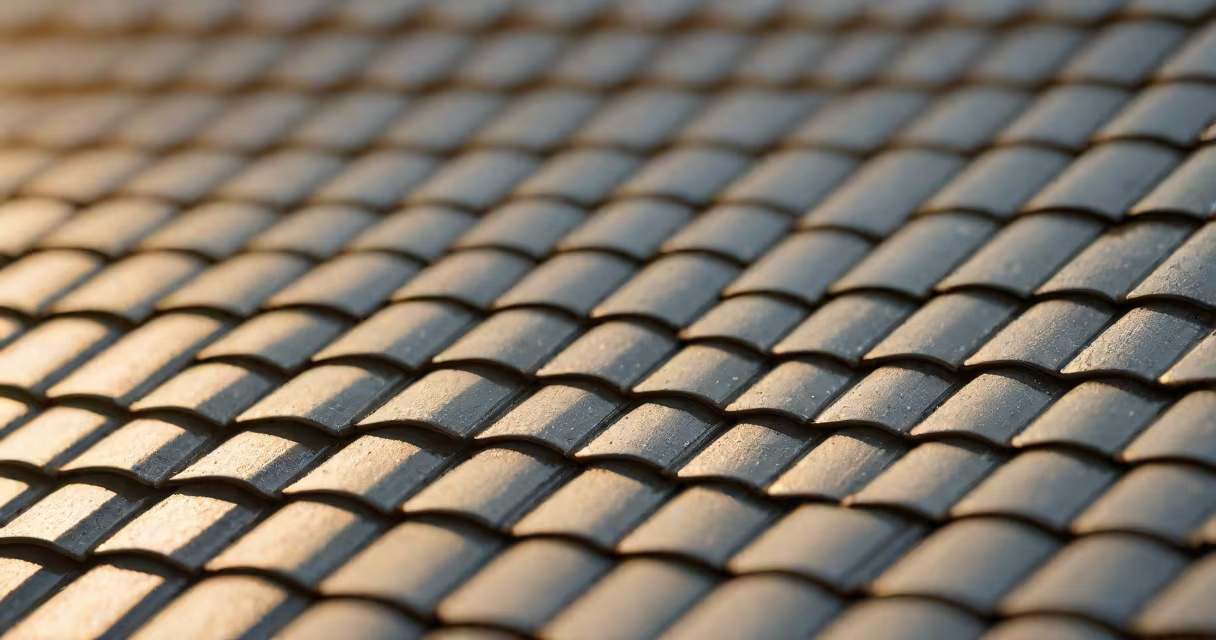
Metal shingles roofing is a durable, long-lasting roofing system made from interlocking metal panels designed to mimic the appearance of traditional wood or composite shingles. It offers superior resistance to fire, wind, hail, and rot while lasting 50+ years with minimal maintenance.
These roofs are constructed from galvanized steel, aluminum, or copper, often coated with protective finishes like polyester or Kynar. Panels are shaped to resemble traditional shingles-curved, tapered, or layered-with overlapping edges that shed water effectively. Unlike standard metal panels, metal shingles are installed with a visible texture and pattern, giving them a natural, dimensional look that blends with historic or rustic architecture.
Installation requires precise alignment and secure fastening to prevent leaks. Panels are typically attached using concealed clips or exposed screws with rubber washers. A solid underlayment, such as ice and water shield, is essential beneath the metal layer to prevent moisture intrusion. Most systems require professional installation due to the tight tolerances and specialized tools needed.
Water runs off metal shingles through overlapping joints and channels formed by the panel design. The interlocking profile prevents water infiltration even during heavy rain or snowmelt. Metal's thermal expansion and contraction are managed via slip joints and proper spacing between panels, reducing stress on fasteners.
When installed correctly, metal shingles create a continuous barrier against weather elements. The material conducts heat efficiently, which reduces attic temperatures in summer. This property lowers cooling costs-studies show homes with reflective metal roofs can reduce air conditioning usage by up to 15% compared to dark asphalt roofs (U.S. Department of Energy, Energy Saver).
Unlike asphalt shingles, which degrade under UV exposure and temperature cycling, metal shingles maintain structural integrity. Their coating resists fading and chalking, preserving appearance over decades. Many manufacturers offer warranties covering both material defects and workmanship for 30 to 50 years.
Three primary materials make up metal shingles roofing: steel, aluminum, and copper. Each offers distinct advantages based on climate, budget, and aesthetic preference.
| Material | Weight (lbs/sq ft) | Lifespan | Cost Range ($/sq ft) | Best For |
|---|---|---|---|---|
| Galvanized steel | 1.2-1.5 | 40-50 years | $4.50-$6.50 | Most climates; cost-effective durability |
| Aluminum | 0.8-1.0 | 45-60 years | $6.00-$8.00 | Coastal areas; corrosion resistance |
| Copper | 1.8-2.2 | 70+ years | $12.00-$18.00 | Historic buildings; natural patina development |
Steel is the most common choice due to affordability and strength. Aluminum excels in salt-laden environments, such as near oceans, because it resists rust better than steel. Copper develops a green patina over time, which protects the surface and adds visual character. Its high initial cost is offset by longevity and low maintenance.
Manufacturers produce metal shingles in various profiles: vertical, horizontal, or staggered patterns. Some imitate cedar shakes, slate, or tile. The choice affects both appearance and performance-wider profiles may shed water faster but require more precise installation.
Homeowners choose metal shingles roofing for resilience and energy efficiency. In regions prone to hurricanes, wildfires, or heavy snowfall-such as Florida, California, or the northern Midwest-these roofs reduce damage risk. They meet Class A fire ratings and withstand wind speeds above 130 mph, making them ideal for high-wind zones.
Commercial buildings also adopt metal shingles for their low lifecycle cost. A 2021 study by the National Roofing Contractors Association found that metal roofs have a 25% lower lifetime cost than asphalt shingles when factoring in replacement frequency and repair expenses (NRCA Research Reports).
Architects favor metal shingles for modern and historic restoration projects. The material allows for custom shapes and colors, including matte black, bronze, or terracotta tones. In 2020, the renovation of a 1920s farmhouse in Vermont used copper metal shingles to match original design details while meeting current building codes.
Many assume metal shingles are noisy during rain. In reality, when properly installed over a solid deck with insulation, sound transmission is minimal. A 2019 test by the Acoustical Society of America showed that metal roofs with 2-inch fiberglass insulation reduced impact noise by 90% compared to un-insulated versions.
Another myth is that metal roofs attract lightning. Metal does not attract lightning-it conducts it safely. Proper grounding systems, required by the National Electrical Code (NEC), ensure that if struck, the energy disperses harmlessly into the ground.
Some believe metal shingles are too expensive upfront. While initial costs are higher than asphalt, the long-term savings are significant. A 30-year analysis by the U.S. Environmental Protection Agency shows that metal roofs reduce total ownership costs by 20-30% due to lower maintenance and longer service life.
A homeowner in Boulder, CO, replaced a failing asphalt roof with 24-gauge steel metal shingles. The project included:
Total cost: $17,850. The homeowner received a 30% state tax credit for energy-efficient upgrades. Over 40 years, they expect to save $12,000 in avoided repairs and replacements compared to asphalt. The roof also reduced peak summer cooling loads by 18%, lowering annual energy bills by $320.
During a severe storm in 2022, the roof sustained no damage despite 60 mph winds and quarter-sized hail. Neighboring homes with asphalt roofs suffered multiple shingle losses and water intrusion.
Metal shingles are often mistaken for standing seam metal roofing. Standing seam uses continuous panels joined by vertical seams, creating a smooth, flat surface. It's less decorative and more suited to modern or industrial designs. Metal shingles, by contrast, feature individual, overlapping units that resemble traditional roofing materials.
They're also confused with metal tiles, which are thinner and lighter. Metal tiles are often used on low-slope roofs and lack the depth and shadow play of true metal shingles. The latter are rated for steeper pitches (up to 12:12 slope) and better resist wind uplift.
One non-obvious difference: metal shingles are not interchangeable across brands. Panel profiles, thickness, and fastening methods vary. Using mismatched components voids warranties and risks leaks. Always verify compatibility with manufacturer specs before ordering.
I installed a metal shingles roof on my own garage in 2019. After measuring the pitch and confirming the underlayment was dry, I followed the manufacturer's step-by-step guide. The first row took 3 hours to align perfectly. By the third row, I'd developed a rhythm. The final result looked smooth-like a handcrafted roof, not a prefab system.
Metal shingles roofing delivers long-term value through durability, energy savings, and low maintenance. With lifespans exceeding 50 years and proven performance in extreme weather, it's a smart upgrade for residential and commercial properties alike.