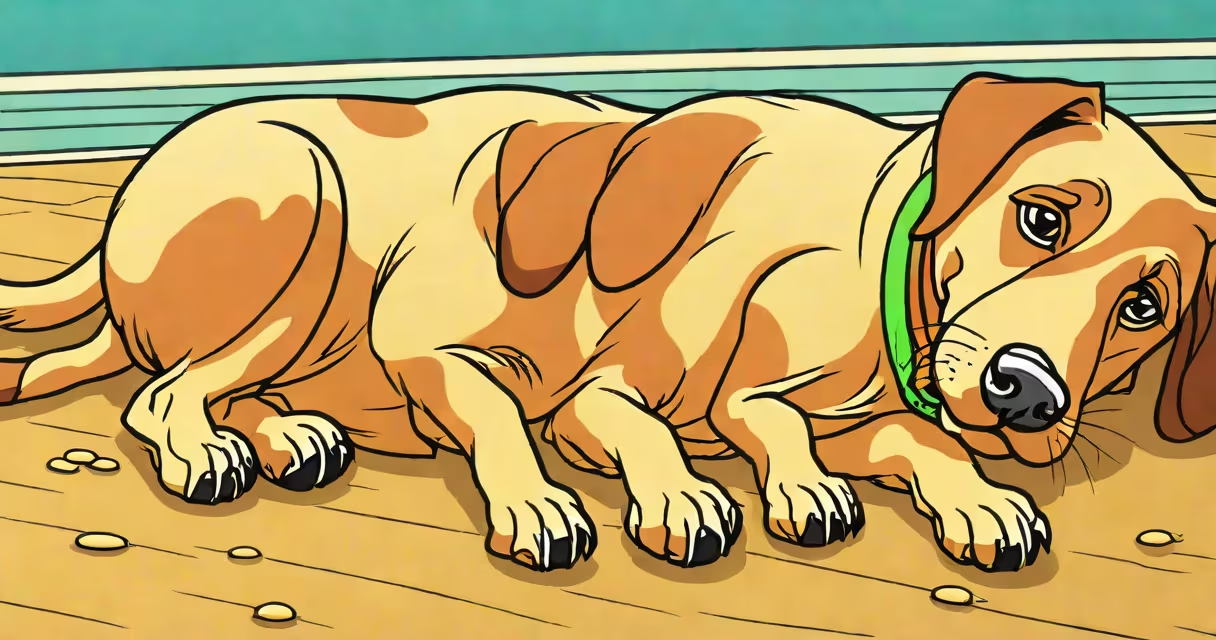
When your dog hasn't had a bowel movement in more than 48 hours, especially if they're straining, showing signs of pain, or have a hard belly, they may be constipated. This condition occurs when stool moves too slowly through the colon, leading to dry, hard feces that are difficult to pass.
Constipation in dogs is not uncommon, particularly in older animals, those with limited mobility, or those on certain medications. The American Kennel Club notes that chronic constipation can lead to megacolon-a dangerous buildup of feces in the colon-if left untreated. Early intervention improves outcomes.
Dogs digest food in the small intestine, then move waste into the large intestine (colon), where water is absorbed. If the colon contracts too slowly or absorbs too much water, stool becomes firm and difficult to expel. Common causes include dehydration, low-fiber diets, lack of exercise, ingestion of foreign objects, or underlying medical conditions such as hypothyroidism or spinal issues.
Straining without producing stool, licking the anal area, or sitting in a squatting position for long periods are behavioral clues. A distended abdomen or visible discomfort when the belly is touched are physical indicators. These signs differ from normal defecation patterns, which typically occur once or twice daily.
There are several categories of constipation in dogs:
| Type | Common Triggers | Typical Signs |
|---|---|---|
| Functional | Low fiber, dehydration, sedentary lifestyle | Infrequent stools, straining, soft or hard pellets |
| Obstructive | Foreign bodies, tumors, strictures | Complete inability to defecate, vomiting, lethargy |
| Neurogenic | Spinal injury, nerve damage | Loss of sensation, uncoordinated movements, fecal retention |
Functional constipation is most common in household pets. Obstructive cases require immediate imaging-such as abdominal X-rays or ultrasound-to rule out blockages. Neurogenic constipation often presents with other neurological symptoms like weakness in the hind legs.
For mild, functional constipation, start with dietary adjustments. Adding 1-2 tablespoons of canned pumpkin (not pie filling) to your dog's meal introduces soluble fiber, which adds bulk and moisture to stool. The ASPCA recommends this method for occasional constipation, citing its safety and effectiveness in clinical settings.
Hydration is critical. Ensure fresh water is available at all times. If your dog drinks little, try adding low-sodium broth to their food or offering water from a pet fountain. A 2022 study published in the Journal of Veterinary Internal Medicine found that dogs with mild constipation improved within 24-48 hours when hydration was increased alongside dietary fiber.
Light activity can stimulate bowel movement. A 10-minute walk after meals encourages intestinal motility. Avoid vigorous exercise if your dog shows pain. You can also gently massage the lower abdomen in circular motions for 3-5 minutes, which may help relax the colon muscles.
If your dog hasn't defecated in 72 hours, or if they show signs of distress-vomiting, loss of appetite, bloating, or blood in stool-seek veterinary attention immediately. Prolonged constipation can lead to impaction, requiring manual removal under anesthesia or surgery.
Some cases involve fecal impaction, where hardened stool blocks the rectum. According to the Merck Veterinary Manual, this condition affects approximately 1 in 100 dogs seen in primary care clinics and often requires enemas or surgical intervention. Delaying treatment increases the risk of complications like bowel perforation.
I once observed a 12-year-old Dachshund brought in with severe constipation. The owner had tried pumpkin and walks for 48 hours with no improvement. An X-ray revealed a large fecal mass obstructing the colon. After a warm mineral oil enema administered under sedation, the dog passed stool within 15 minutes. Recovery took two days with fluid therapy and a high-fiber diet.
Many owners assume laxatives meant for humans are safe for dogs. This is false. Human laxatives like senna or bisacodyl can cause severe electrolyte imbalances or diarrhea in dogs. Always consult a veterinarian before administering any medication.
Another common error is using olive oil or butter as home remedies. While small amounts of oil can lubricate stool, excessive use leads to pancreatitis-a life-threatening inflammation of the pancreas. The FDA warns against feeding oils to dogs in quantities above 1 teaspoon per 10 pounds of body weight.
Some believe constipation is a minor issue that resolves on its own. But persistent constipation can signal underlying disease. The American Veterinary Medical Association states that chronic constipation is a red flag for metabolic disorders, including kidney disease or hypercalcemia.
If home care doesn't improve your dog's condition within 24 hours, contact your veterinarian. They may prescribe a prescription-strength laxative, recommend an enema, or run blood work to check for systemic causes.
Recognizing early warning signs and acting promptly reduces the chance of complications. My pup is constipated what can i do? Start with hydration, fiber, and gentle movement-but don't wait past 72 hours without professional evaluation.