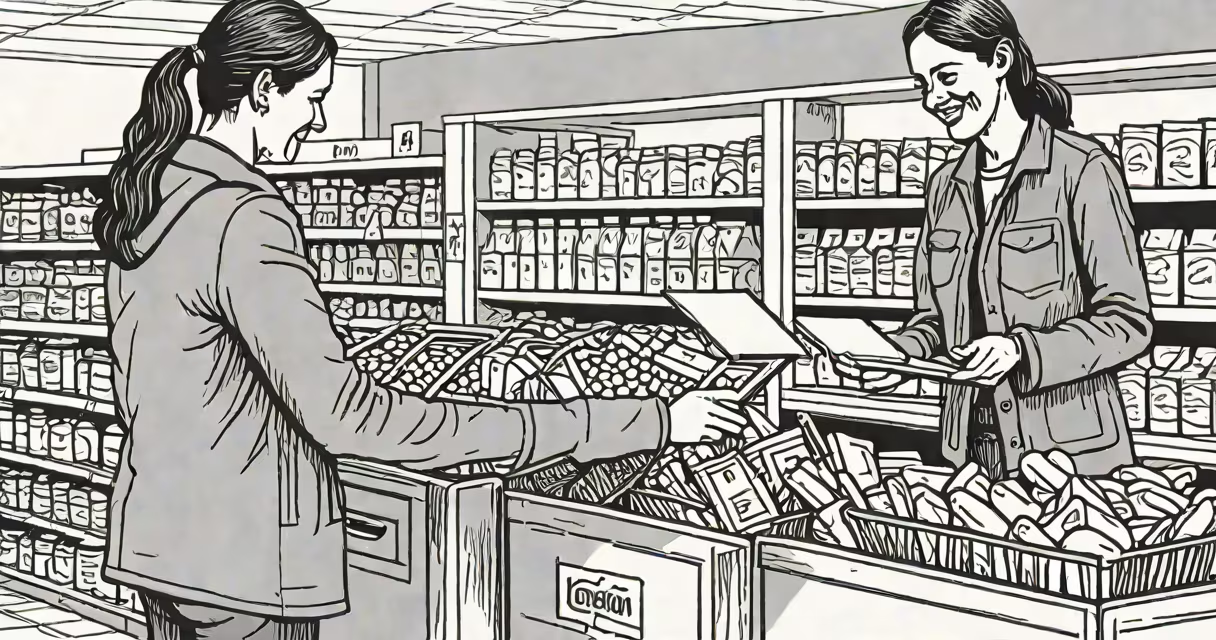
Oregon SNAP benefits are federal food assistance payments distributed via electronic benefit transfer (EBT) cards to eligible low-income individuals and households. These benefits help cover the cost of groceries and are issued monthly based on household size, income, and expenses.
SNAP, formerly known as food stamps, is administered federally by the U.S. Department of Agriculture (USDA) and managed at the state level. In Oregon, the Oregon Department of Human Services (ODHS) oversees enrollment, eligibility determination, and benefit distribution. Benefits are loaded onto EBT cards each month and can be used at authorized retailers to purchase qualifying food items.
Households must meet both federal and state-specific criteria to qualify. Federal guidelines set minimum income thresholds and asset limits, while Oregon adds additional requirements such as work registration for able-bodied adults without dependents (ABAWDs). The program aims to reduce food insecurity among vulnerable populations, including children, seniors, and people with disabilities.
Once approved, benefits are deposited into a recipient's EBT account on a specific date each month. The deposit schedule varies by county and is based on the last digit of the recipient's case number. Recipients access funds using their EBT card at checkout, similar to a debit card, at stores that accept SNAP.
Benefits are calculated using a formula that considers gross monthly income, household size, and allowable deductions such as housing costs, childcare, and medical expenses for elderly or disabled members. For example, a household of four with $2,500 in gross monthly income may receive approximately $650 in SNAP benefits after deductions.
Recipients must renew their eligibility every 12 months. Failure to complete the renewal process results in benefit termination. Renewal requires submitting updated income documentation and completing a reapplication form through the ODHS website or local office.
To qualify for Oregon SNAP benefits, applicants must meet several criteria:
For a household of four in 2024, the gross monthly income limit is $3,465. Net income must not exceed $2,665. These figures are adjusted annually based on inflation and cost-of-living changes.
Non-citizens must have lawful immigration status and meet work or disability requirements. Refugees, asylees, and certain special immigrants may qualify. Individuals on Temporary Assistance for Needy Families (TANF) or Supplemental Security Income (SSI) are automatically eligible in most cases.
SNAP benefits can be used to purchase most food items intended for home consumption. This includes fruits, vegetables, meat, dairy products, bread, cereals, and seeds for growing food. Many retailers, including major chains and farmers' markets, accept EBT cards.
Items that cannot be purchased with SNAP include alcohol, tobacco, vitamins, pet food, hot foods prepared for immediate consumption, and non-food items like soap or cleaning supplies. Some states allow the purchase of seeds and plants for growing food, but Oregon permits this only for non-commercial use.
A common misconception is that SNAP benefits can be used to buy energy drinks or snack bars labeled as "meal replacements." These are not eligible unless they are marketed as food and do not contain added supplements. Always check the product label or ask the cashier if unsure.
| Eligible Items | Not Eligible Items |
|---|---|
| Fruits and vegetables | Alcohol and tobacco |
| Meat, poultry, fish | Hot prepared meals (e.g., takeout) |
| Bread and cereals | Vitamins and supplements |
| Dairy products | Pet food |
| Seeds and plants for growing food | Household cleaning supplies |
Applicants can apply online through the Oregon.gov portal, by phone, or in person at a local ODHS office. The online application takes 15-20 minutes to complete and requires proof of identity, income, residency, and expenses. Applicants must provide recent pay stubs, bank statements, or tax returns.
Processing times average 30 days. Emergency applications-submitted due to sudden loss of income or crisis-can be processed within 7 days. Approval letters are sent by mail or email, depending on the applicant's preference.
A frequent error is failing to report changes in income or household composition. A $200 increase in monthly earnings can disqualify a household if it exceeds the income threshold. Reporting changes within 10 days prevents overpayment and potential penalties.
I once assisted a single mother in Portland who lost her job during a layoff. She applied for emergency SNAP benefits and received approval in five days. Her initial benefit amount was $320, which covered two weeks of groceries until she secured a new position. The process was straightforward, but missing the deadline for reporting her new part-time hours led to a temporary suspension of benefits.
While federal rules govern SNAP, Oregon offers supplemental programs. The Oregon Food Bank Network provides free food distribution at community centers, especially in rural areas. Some counties offer bonus benefits during high-cost periods, such as winter or holiday seasons.
Recipients can also access nutrition education through the SNAP-Ed program. Classes teach healthy meal planning, budgeting, and cooking techniques. These services are available at libraries, community colleges, and health clinics.
Understanding oregon snap benefits ensures access to nutritious food for those who need it most. The program supports economic stability by increasing purchasing power for essential groceries.