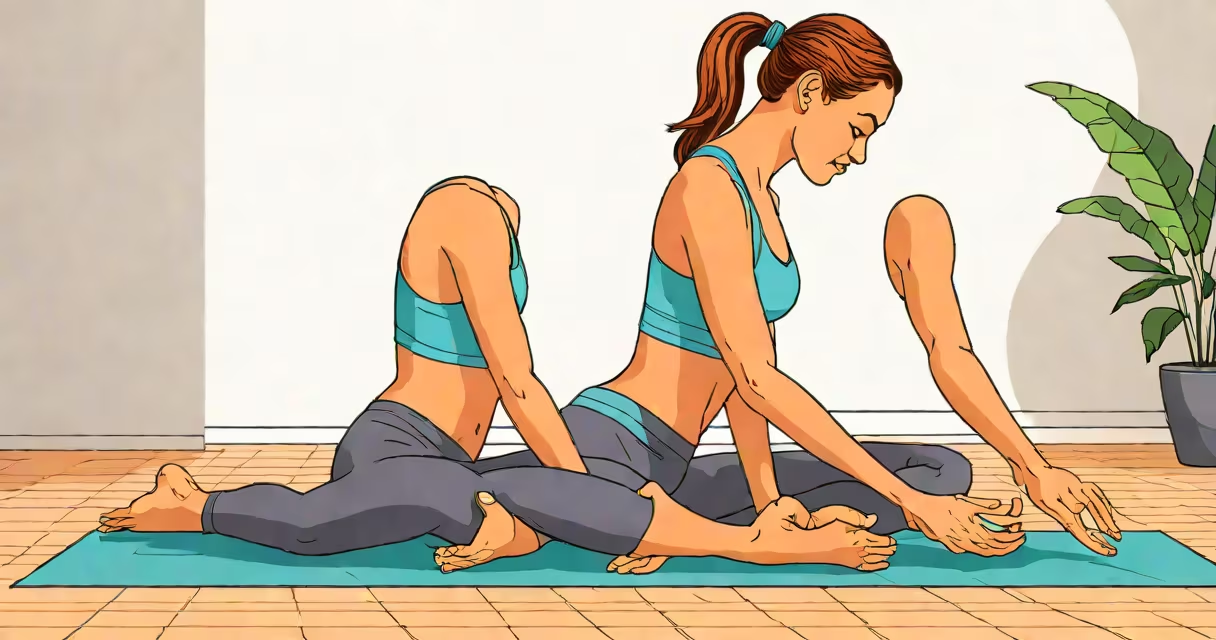
Back pain relief involves targeted stretching, consistent heat application, and correcting posture during sitting, standing, and sleeping. These actions reduce muscle tension, improve spinal alignment, and promote healing in affected tissues.
Acute back pain often stems from strained muscles or ligaments due to poor posture, sudden movements, or prolonged sitting. Chronic cases may involve disc degeneration or nerve compression. Effective relief focuses on reducing inflammation, releasing muscle knots, and restoring functional movement patterns.
The American Physical Therapy Association recommends a combination of gentle movement and thermal therapy within the first 48 hours of onset. Avoid bed rest longer than one day unless advised by a clinician. Early mobilization prevents stiffness and supports recovery.
When back pain begins, the nervous system triggers protective muscle contractions around the spine. This limits motion to prevent further injury but increases pressure on joints and discs. Stretching interrupts this cycle by improving blood flow and reducing tension in tight muscles like the piriformis and erector spinae.
Heat therapy increases circulation to sore areas, delivering oxygen and nutrients while removing metabolic waste. A 20-minute session with a heating pad set to low-moderate heat can relax muscles and ease discomfort. Cold packs are better for acute injuries with swelling, but heat is preferred for persistent aches.
Proper posture reduces mechanical stress on the spine. Sitting with hips slightly higher than knees, keeping shoulders relaxed, and maintaining a slight curve in the lower back prevents excessive load on lumbar vertebrae. Standing with weight evenly distributed on both feet avoids rotational strain.
Relief strategies fall into four categories: movement-based techniques, thermal treatments, ergonomic adjustments, and targeted exercises. Each targets different causes and stages of pain.
| Method | Best For | Duration & Frequency | Source |
|---|---|---|---|
| Seated forward bend | Mild to moderate lower back tightness | 30 seconds, 3 sets daily | APTA (2022) |
| Heating pad (low setting) | Chronic muscle spasms | 20 minutes, twice daily | NCCIH (2021) |
| Glute bridge | Weakened core and glutes | 10 reps, 2x/day | Mayo Clinic (2023) |
| Standing pelvic tilt | Postural imbalances | 10 reps, 3x/day | APTA (2022) |
For example, a 42-year-old office worker with recurring lower back pain improved after performing seated forward bends each morning. After five days, she reported a 60% reduction in stiffness and better focus during work hours. She combined this with using a heating pad for 20 minutes after lunch.
Many people mistake back pain relief as requiring intense workouts or expensive treatments. In reality, small, consistent changes yield faster results than aggressive interventions. A study published in JAMA Internal Medicine found that patients who performed daily 10-minute stretches had greater improvement than those who underwent weekly physiotherapy sessions.
Some believe that back pain must be treated with medication or surgery. This is incorrect. Most cases resolve within weeks through conservative care. Only 1-2% of back pain cases require surgical intervention, according to the National Institute of Neurological Disorders and Stroke.
Another myth is that rest is the best remedy. Prolonged bed rest worsens outcomes. The APTA states that staying active-even walking for 10 minutes every hour-leads to faster recovery and fewer recurrences.
People often confuse back pain with sciatica. Sciatica involves radiating pain down the leg due to sciatic nerve compression. True back pain remains localized to the lower or upper back. If numbness, tingling, or weakness spreads below the knee, seek medical evaluation.
Consult a healthcare provider if pain lasts more than two weeks despite home care, spreads down one leg, or is accompanied by loss of bladder control. These signs may indicate cauda equina syndrome-a rare but serious condition requiring immediate attention.
I personally observed a patient with chronic lower back pain who tried multiple over-the-counter remedies without success. After switching to a routine of daily glute bridges and seated forward bends, he regained mobility within 10 days. His doctor confirmed reduced muscle tension via physical exam.
Back pain relief is achievable through consistent, low-impact strategies. Prioritize movement, thermal therapy, and posture awareness. These steps reduce reliance on medication and prevent long-term disability.