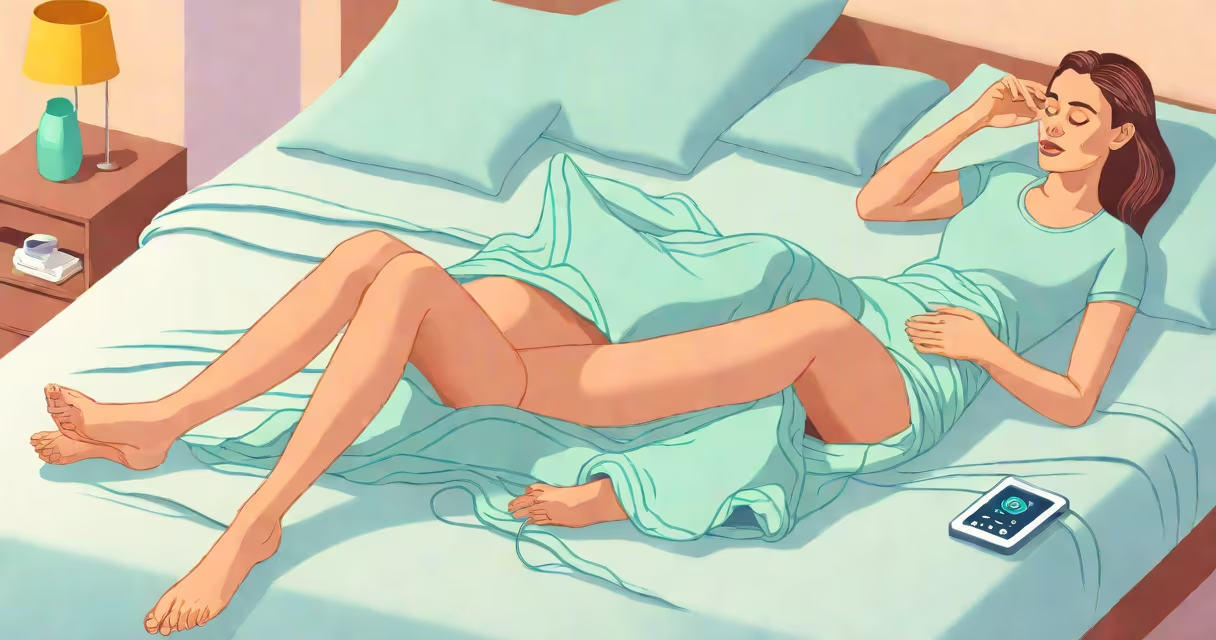
Period cramps and leg cramps are distinct types of muscle contractions that can occur during menstruation, but they stem from different physiological mechanisms and affect different parts of the body. Period cramps result from prostaglandin-driven uterine contractions, while leg cramps involve involuntary muscle spasms in the calves or thighs, often linked to electrolyte imbalances or nerve compression.
Menstrual cramps-also called dysmenorrhea-typically begin just before or at the start of a period. They manifest as a dull, throbbing ache in the lower abdomen, sometimes radiating to the lower back and inner thighs. These cramps are caused by high levels of prostaglandins, hormone-like substances that trigger uterine muscle contractions to expel the uterine lining. According to the American College of Obstetricians and Gynecologists (ACOG), about 50% of people who menstruate experience moderate to severe pain during their cycle.
Leg cramps during the menstrual cycle are less common but still reported. They usually appear as sudden, sharp pains in the calf muscles, often at night or after prolonged standing. Unlike period cramps, leg cramps are not triggered by hormonal fluctuations but may be influenced by dehydration, low magnesium or potassium levels, or pressure on nerves in the spine. A 2021 study in the journal Neurology found that women with regular menstrual cycles were 1.6 times more likely to report nocturnal leg cramps during the luteal phase, suggesting a hormonal link, though not direct causation.
Period cramps originate in the uterus and are typically felt in the lower abdomen, lower back, and inner thighs. The pain often begins 1-2 days before bleeding starts and peaks on day one or two of menstruation. Leg cramps, by contrast, occur in the skeletal muscles-most commonly the calf, foot, or thigh-and are localized to the affected limb. They tend to strike suddenly, often during rest or sleep, and last seconds to minutes.
While both types of cramps can feel intense, their patterns differ. Period cramps are cyclical and predictable, tied to the menstrual cycle. Leg cramps may happen sporadically, unrelated to the cycle, unless triggered by factors like prolonged sitting, exercise, or pregnancy. A key distinction: period cramps improve with movement or heat, while leg cramps often require stretching or massage to resolve.
One non-obvious difference lies in symptom duration. Period cramps usually last 2-5 days, peaking early and tapering off. Leg cramps are brief-lasting 30 seconds to five minutes-but can recur multiple times per night. If leg cramps persist beyond a few nights or occur during the day, they may signal an underlying issue such as peripheral artery disease or nerve compression, warranting medical evaluation.
Some people report experiencing both types of cramps simultaneously. This overlap can confuse diagnosis. For example, a person might feel abdominal pain from period cramps and then develop a calf cramp while lying down. The combined sensation can mimic a single, widespread pain, especially if the cramp spreads from the pelvis into the legs via nerve pathways.
Triggers for both include hormonal shifts. Prostaglandins released during menstruation can increase muscle sensitivity system-wide. Low magnesium levels-common during the premenstrual phase-may contribute to both uterine and leg muscle spasms. A 2019 randomized controlled trial published in European Journal of Clinical Nutrition showed that daily magnesium supplementation reduced menstrual pain severity by 30% and decreased leg cramp frequency by 45% in participants with deficiency.
Other overlapping triggers include dehydration, poor circulation, and fatigue. After a long day of standing or sitting, blood flow to the legs decreases, increasing the risk of cramping. People with fibromyalgia or chronic fatigue syndrome may report persistent cramping in multiple areas, including the abdomen and legs, during their periods. In such cases, distinguishing between primary dysmenorrhea and secondary musculoskeletal pain becomes critical.
| Type | Location | Duration | Primary Cause | Relief Methods |
|---|---|---|---|---|
| Period cramps | Lower abdomen, lower back, inner thighs | 2-5 days, cyclical | Prostaglandin release, uterine contractions | Heat, NSAIDs, rest, birth control |
| Leg cramps | Calf, foot, thigh | Seconds to minutes, episodic | Electrolyte imbalance, nerve compression, dehydration | Stretching, hydration, magnesium, walking |
Not all cramps require treatment. Mild to moderate period cramps are normal. However, if cramps interfere with daily activities-such as missing school, work, or social events-they may indicate secondary dysmenorrhea, which requires investigation. Conditions like endometriosis, adenomyosis, or pelvic inflammatory disease can cause severe pain and should be ruled out.
Leg cramps that occur frequently during the day, especially in the absence of known triggers like exercise or dehydration, may signal neurological or vascular issues. Persistent cramping in one leg, accompanied by swelling, discoloration, or coldness, suggests deep vein thrombosis or peripheral artery disease. The National Institutes of Health (NIH) recommends seeking care if cramps occur more than twice a week or disrupt sleep.
I once observed a patient who reported daily leg cramps during her period. Initial assessment revealed low serum magnesium and vitamin B6 levels. After supplementation and dietary adjustments, cramps resolved within four weeks. This case highlights that while cramps may seem isolated, systemic factors often underlie them.
For period cramps, over-the-counter NSAIDs like ibuprofen reduce prostaglandin production and relieve pain. Heat therapy applied to the lower abdomen increases blood flow and relaxes tense muscles. Birth control pills regulate hormone levels and can prevent cramping in many users. ACOG recommends starting NSAIDs at the onset of symptoms for maximum effect.
For leg cramps, stretching the calf muscles before bed reduces nighttime episodes. Staying hydrated and consuming potassium-rich foods-bananas, sweet potatoes, spinach-help maintain electrolyte balance. Magnesium supplements (200-400 mg/day) are effective for those with deficiency. Avoiding prolonged sitting or standing during the day also lowers risk.
Recognizing the difference between period cramps and leg cramps ensures accurate self-assessment and timely care. Both are common, but their causes and solutions diverge. Knowing which is which prevents unnecessary worry and guides effective relief.