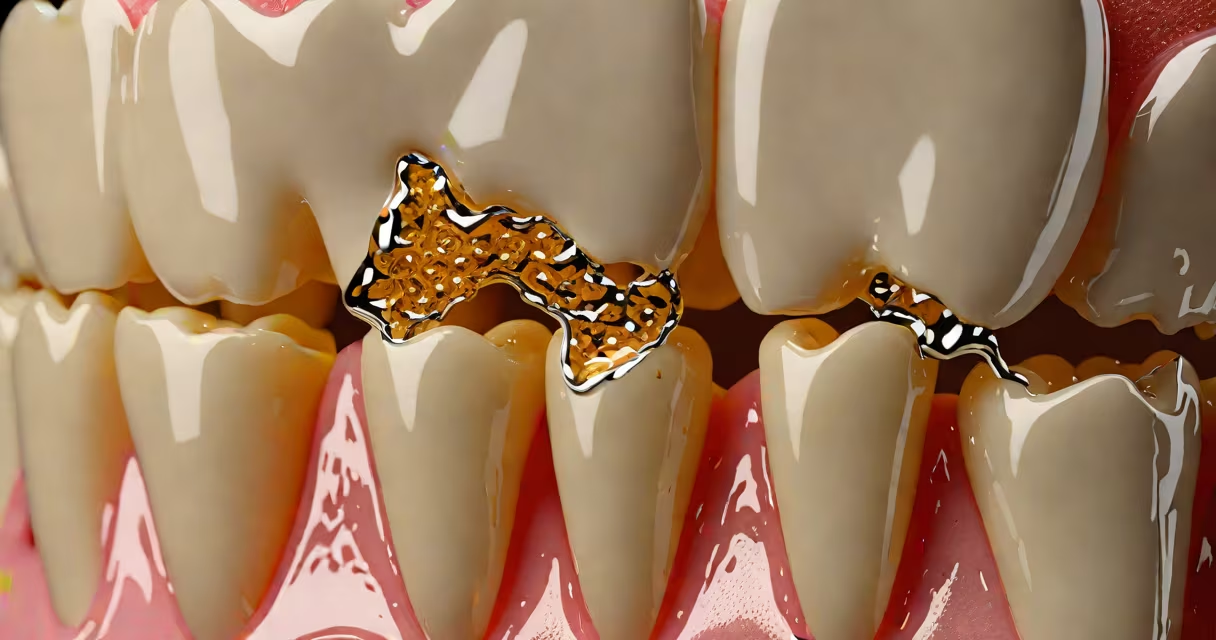
Sensitivity at the base of a tooth occurs when the root surface becomes exposed, leading to sharp pain when eating hot, cold, sweet, or acidic foods. This happens because the root lacks enamel protection and contains tiny tubules that transmit sensations to the nerve.
The base of a tooth-the area below the gumline-is normally covered by gum tissue and protected by enamel on the crown. When gums recede or enamel wears away near the gumline, the dentin layer underneath is exposed. Dentin contains microscopic channels called tubules that connect to the tooth's nerve. When these tubules are stimulated by temperature changes, pressure, or chemicals, they trigger pain signals.
According to the American Dental Association (ADA), around 35% of adults report experiencing tooth sensitivity at some point, with the base of teeth being a common site. Sensitivity at the base often results from gum disease, aggressive brushing, acid erosion from diet or GERD, or orthodontic treatment.
Teeth have three layers: enamel (outer), dentin (middle), and pulp (inner nerve center). Enamel protects the crown, but roots lack enamel. Instead, they're covered by cementum-a thin, calcified layer. When cementum wears away or gums pull back, dentin is exposed.
Dentin contains thousands of microscopic tubules. When fluid moves inside these tubules-due to cold, heat, or pressure-it triggers nerve endings in the pulp. This movement is known as the hydrodynamic theory of tooth sensitivity. The sensation feels like a quick, jolt-like pain that stops when the stimulus ends.
A 2021 study published in the Journal of Clinical Dentistry found that patients with gingival recession greater than 2 mm were 3.6 times more likely to report sensitivity at the root surface compared to those with healthy gums. This confirms that gum health is central to preventing root sensitivity.
Several conditions lead to sensitivity at the base of a tooth. The most frequent include:
Root sensitivity differs from crown sensitivity. While both involve dentin exposure, crown sensitivity usually results from cavities or worn fillings. Root sensitivity typically affects molars and premolars near the gumline and worsens with temperature changes.
| Condition | Typical Location | Key Trigger |
|---|---|---|
| Gum recession | Lower molars, upper premolars | Cold drinks, air exposure |
| Acid erosion | Front teeth, molars | Carbonated drinks, citrus fruits |
| Bruxism | Multiple teeth, especially back teeth | Biting pressure, morning jaw pain |
Sensitivity at the base of a tooth isn't always due to minor issues. Sometimes it signals deeper problems. Persistent pain lasting more than a few days, swelling, bleeding gums, or visible holes in the tooth require dental evaluation.
For example, a patient with untreated periodontitis may develop bone loss around the tooth root. As the bone recedes, the root becomes exposed and sensitive. Without treatment, this can progress to tooth mobility and eventual loss.
I once treated a patient who reported sharp pain at the base of her lower molar. She had been using a whitening toothpaste daily. After switching to a desensitizing product and reducing abrasive brushing, her symptoms improved within two weeks. The key was identifying the cause-overuse of abrasive products-rather than assuming it was decay.
Effective management depends on identifying the root cause. For mild cases, over-the-counter desensitizing toothpastes containing potassium nitrate or stannous fluoride can reduce nerve activity. These take 2-4 weeks of consistent use to work.
For more severe cases, dentists apply fluoride varnishes or sealants directly to the exposed root. A 2019 clinical trial showed that a 5% sodium fluoride varnish reduced sensitivity in 82% of patients after one application. Some clinics also offer laser therapy to seal dentinal tubules, though evidence remains limited.
Prevention focuses on proper oral hygiene. Use a soft-bristled toothbrush and gentle circular motions. Avoid acidic foods and drinks between meals. If you grind your teeth, a night guard can protect your enamel and prevent further recession.
See a dentist if sensitivity persists beyond four weeks despite using desensitizing products. Also seek care if you notice:
Early intervention prevents irreversible damage. A dentist can diagnose whether the issue is gum-related, structural, or systemic-and recommend targeted treatment.
Sensitivity at the base of a tooth is not normal. It's a sign your mouth needs attention. Addressing it early prevents progression to more serious dental problems.