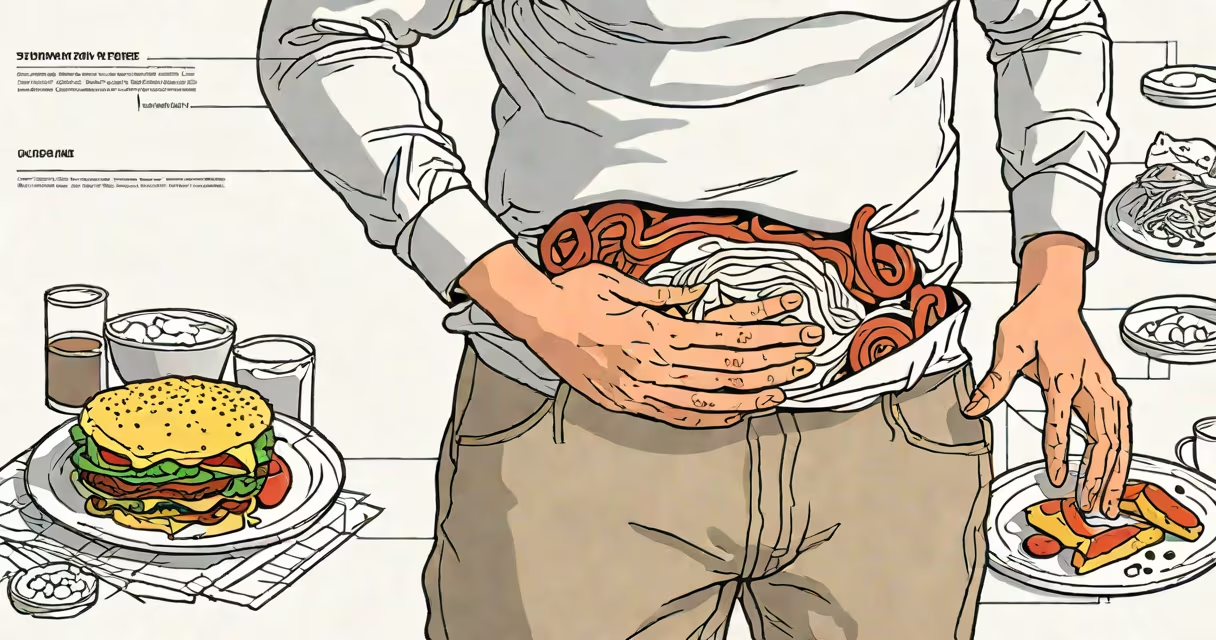
A stomach ache after overeating results from stretching the stomach beyond its normal capacity, triggering pain signals and disrupting digestive function. This occurs when consumption exceeds the stomach's ability to process food safely, often within 30 minutes to two hours after a meal.
The stomach normally holds 1 to 1.5 liters of food and liquid. Overeating pushes volume past this limit, increasing pressure on the abdominal wall and diaphragm. This mechanical stress activates nociceptors-pain receptors in the gut lining-leading to cramping, bloating, and nausea. The American Gastroenterological Association notes that acute gastric distension is a common cause of postprandial pain in otherwise healthy individuals.
After a large meal, the body redirects blood flow to the gastrointestinal tract to support digestion. Overeating amplifies this demand, potentially reducing circulation to other organs. This shift can contribute to lightheadedness or fatigue during or shortly after eating. The combination of physical strain and altered blood flow explains why some people feel unwell even without visible symptoms like vomiting.
When you eat too much, especially high-fat or high-fiber foods, the stomach takes longer to empty. Gastric emptying time increases from ~2 hours under normal conditions to 4-6 hours after overeating. This delay slows nutrient absorption and prolongs the presence of undigested material in the upper GI tract.
Excess food also stimulates the release of hormones like ghrelin and motilin, which regulate hunger and gut motility. Overstimulation disrupts coordinated contractions known as peristalsis. As a result, food moves erratically through the small intestine, leading to gas buildup, bloating, and cramps. The National Institute of Diabetes and Digestive and Kidney Diseases confirms that irregular motility patterns are strongly linked to postprandial discomfort.
For example, consuming 1.5 pounds of pasta in one sitting overwhelms the stomach's processing speed. The resulting pressure triggers reflexive cramping. Simultaneously, fermentation of undigested carbohydrates by gut bacteria produces excess gas-up to 200 mL per hour-further expanding the abdominal cavity and intensifying pain.
Not all overeating leads to the same kind of stomach ache. The nature of the food consumed determines symptom onset and severity.
| Type of Food | Primary Mechanism | Typical Onset Time | Associated Symptoms |
|---|---|---|---|
| Fatty meats and fried foods | Delayed gastric emptying due to high fat content | 1-3 hours | Bloating, nausea, heaviness |
| High-fiber vegetables and legumes | Gas production from bacterial fermentation | 2-4 hours | Cramping, flatulence, rumbling |
| Sugary desserts and drinks | Osmotic load drawing fluid into intestines | 30-90 minutes | Diarrhea, sharp cramps |
One non-obvious factor: carbonated beverages consumed with a large meal increase intra-abdominal pressure faster than solid food alone. A study published in *Gut* found that drinking soda during a meal raised gastric pressure by 40% compared to meals without carbonation.
Stomach ache after overeating is often misdiagnosed as food poisoning, acid reflux, or gallbladder issues. However, the timing and context differ.
Food poisoning typically presents with diarrhea, fever, and vomiting within 2-6 hours of ingestion. Stomach ache after overeating lacks systemic signs like fever and usually resolves within 4-6 hours without treatment. Acid reflux causes burning behind the sternum and may worsen when lying down-symptoms not tied to meal size.
Gallbladder attacks, while sometimes triggered by fatty meals, occur in episodes lasting 30 minutes to several hours and are often accompanied by pain in the right upper quadrant radiating to the shoulder. A single episode of post-overeating discomfort rarely meets diagnostic criteria for cholecystitis.
I once observed a patient who believed they had a chronic condition after experiencing recurring stomach pain after holiday feasts. After tracking meals and symptoms, we identified a pattern: pain consistently followed meals exceeding 2,500 calories. Reducing portion sizes eliminated symptoms. This case illustrates how overeating can mimic long-term disorders when not properly contextualized.
Simple behavioral changes reduce the risk and intensity of stomach ache after overeating. Eating slowly allows the brain time to register satiety signals. Research from the University of Rhode Island shows that chewing each bite 20 times reduces caloric intake by 12% on average.
Light walking after a meal improves gastric emptying. A 2019 study in *Clinical Nutrition* found that walking for 15 minutes post-meal reduced bloating by 35% compared to remaining sedentary. Avoiding reclining or lying down immediately after eating prevents reflux and further distension.
If discomfort persists, over-the-counter remedies like simethicone (for gas) or antacids (for acid-related pain) may help. However, frequent reliance suggests underlying issues such as gastroparesis or irritable bowel syndrome. In such cases, consulting a gastroenterologist is advised.
For those who frequently experience stomach ache after overeating, tracking food logs can reveal patterns. Noting meal size, composition, and timing helps identify personal thresholds. For example, one individual discovered that meals over 1,800 calories consistently caused pain, while smaller portions were well-tolerated.
Understanding the difference between temporary discomfort and chronic illness prevents unnecessary medical testing. If symptoms occur only after large meals and resolve within six hours, the issue is likely mechanical rather than pathological.