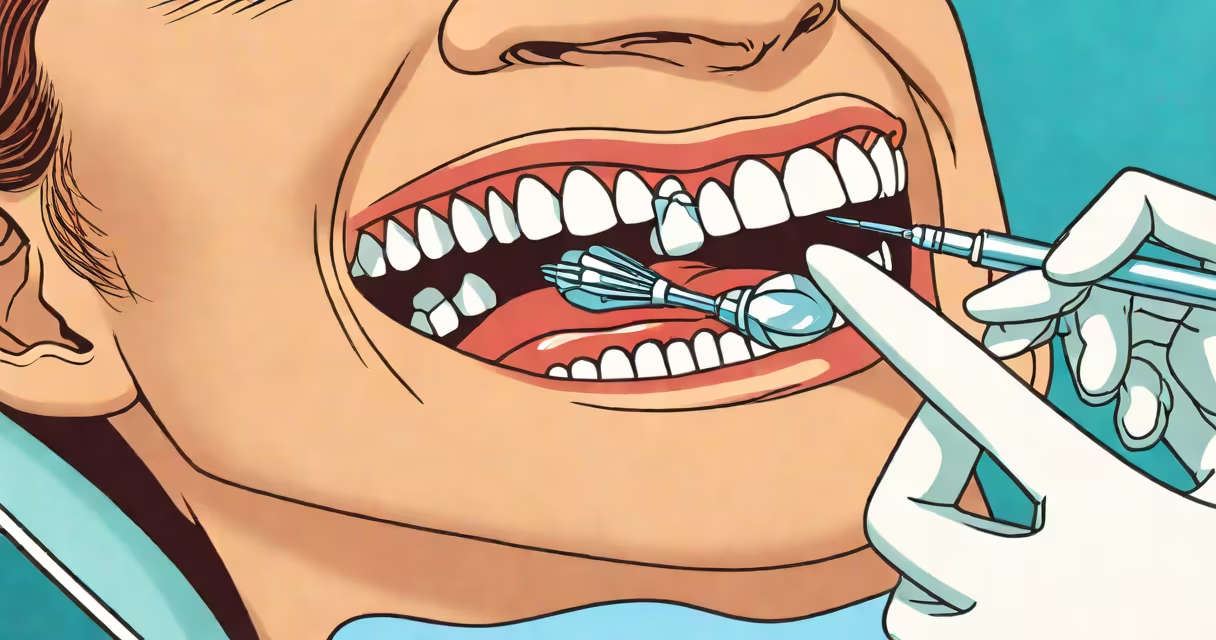
Yes, mild discomfort after a filling is normal and expected, especially within the first 24 to 72 hours. Most patients experience sensitivity to temperature, pressure, or chewing, which typically resolves on its own. Persistent or worsening pain may signal a problem requiring attention.
Dental fillings restore decayed or damaged teeth using materials like composite resin or amalgam. The procedure involves removing decay, cleaning the area, and sealing the cavity. While the process is routine, the tooth's nerve can react to the change in structure and the materials used, leading to temporary pain.
The American Dental Association (ADA) states that post-filling sensitivity affects up to 60% of patients, particularly after composite fillings. This reaction often fades within a week. If pain lasts longer than 10 days or worsens, it may indicate an issue such as an improper bite, remaining decay, or nerve irritation.
Pain after a filling arises from changes in the tooth's internal environment. When decay is removed, the nerve becomes exposed to stimuli like cold, heat, or biting pressure. Even healthy nerves can react to the mechanical stress of drilling and material placement.
Composite fillings, which bond directly to tooth structure, can cause more immediate sensitivity because they shrink slightly as they cure. This contraction creates micro-gaps between the filling and the tooth, allowing fluid movement in tiny tubules. This fluid shift stimulates nerve endings, causing sharp, brief pain - known as dentinal hypersensitivity.
A 2021 study published in the Journal of Clinical Dentistry found that 44% of patients reported sensitivity after composite fillings, with most cases resolving within seven days. Sensitivity was more common in molars and deep cavities, where the nerve is closer to the surface.
Not all post-filling pain is the same. Different sensations point to different causes, and understanding them helps determine whether to wait or see a dentist.
| Pain Type | Typical Cause | When to Wait | When to Seek Care |
|---|---|---|---|
| Mild ache or throbbing | Nerve irritation from drilling or material | Less than 3 days; improves gradually | Worsens after 3 days or spreads to jaw |
| Sharp pain when biting | High spot on filling; uneven bite | Resolves in 1-2 days | Continues past 48 hours |
| Sensitivity to hot/cold | Material shrinkage or micro-leakage | Improves in 1-2 weeks | Spreads to adjacent teeth or lasts beyond 10 days |
| Burning or constant dull pain | Potential pulp involvement or infection | Never - seek care immediately | Occurs within 24 hours of procedure |
For example, a patient with a deep molar filling reports sharp pain when chewing. The dentist checks the bite and finds a high spot. After adjusting the filling, the pain disappears within 24 hours. This is a common fix and confirms that minor imperfections are normal during the procedure.
Many people assume that any pain after a filling means the work failed or the dentist made a mistake. That's rarely true. A small percentage of patients do develop complications, but most discomfort is part of the healing process.
One misconception is that metal fillings (amalgam) don't cause sensitivity. In reality, they can trigger similar reactions due to thermal expansion differences between the metal and tooth. A 2019 review in the International Journal of Dentistry found no significant difference in post-operative sensitivity rates between amalgam and composite fillings.
Another error is self-treating with over-the-counter painkillers for more than three days. While ibuprofen or acetaminophen can ease symptoms temporarily, prolonged use masks underlying issues. If pain persists, waiting too long to return to the dentist increases the risk of needing a root canal.
If discomfort continues past seven days, contact your dentist. A follow-up appointment can identify problems like an improperly contoured filling, residual decay, or nerve damage.
I once observed a patient who reported sharp pain when biting a week after a composite filling. The dentist discovered a high spot that wasn't apparent during the initial exam. After smoothing the area, the pain resolved instantly. This case highlights that even experienced dentists can miss subtle adjustments during the procedure.
For persistent sensitivity, your dentist may recommend desensitizing toothpaste (like Colgate Sensitive Pro-Relief) or apply a fluoride varnish to reduce tubule exposure. In rare cases, a permanent filling replacement or root canal may be needed.
Most tooth pain after a filling resolves within a few days. If it doesn't, don't ignore it. Early intervention prevents further damage and avoids unnecessary pain.