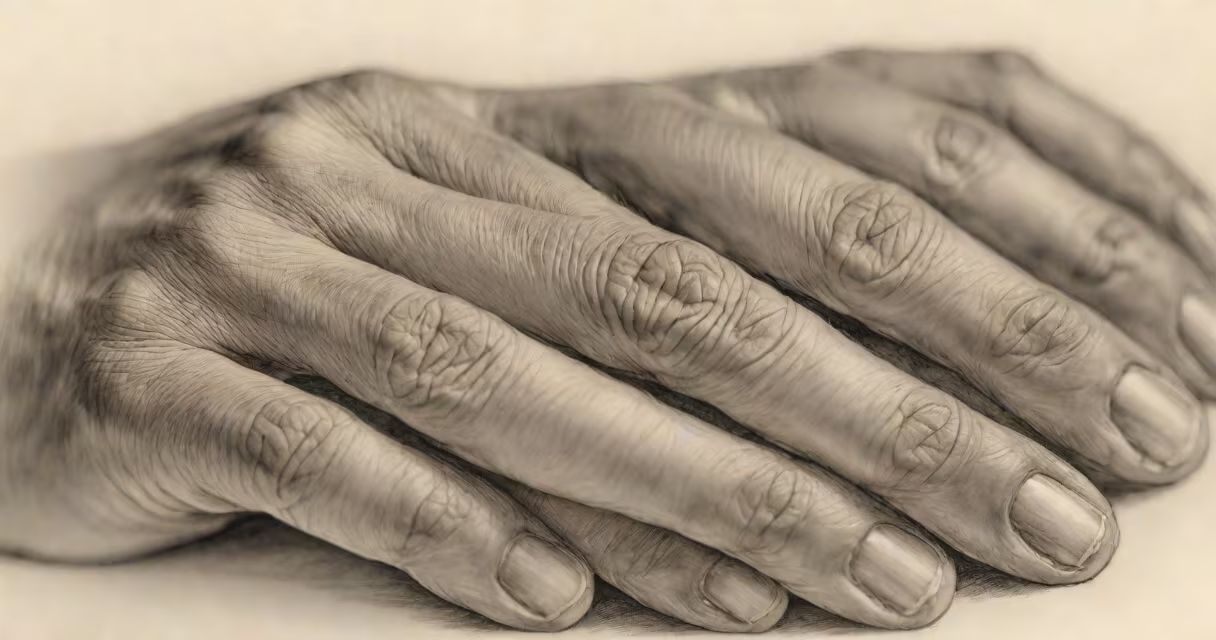
A strange feeling in fingertips-such as tingling, numbness, burning, or electric-like sensations-results from disrupted nerve signals between the hands and brain. These sensations often stem from pressure on nerves, poor circulation, or underlying medical conditions affecting the peripheral nervous system.
Such feelings typically begin subtly. You might notice your fingers tingle after typing for hours, or feel cold and stiff during winter. The sensation usually affects one or more fingers, sometimes spreading to the palm or wrist. While brief episodes are common and harmless, persistent or worsening symptoms require evaluation.
According to the Mayo Clinic, peripheral neuropathy-the most frequent cause of abnormal fingertip sensations-develops when nerves outside the brain and spinal cord are damaged. This condition affects around 20 million people in the U.S., with diabetes being the leading cause. Nerve damage alters how signals travel, resulting in misfired impulses interpreted by the brain as unusual sensations.
Nerves in the arms and hands transmit sensory information through electrical impulses. When these pathways are compressed, inflamed, or degraded due to disease, signals can become distorted. For example, a pinched median nerve in the wrist-common in carpal tunnel syndrome-can cause sharp, shooting pain or a "pins and needles" feeling in the thumb, index, and middle fingers.
The body's response depends on which nerves are involved. Sensory nerves control touch, temperature, and pain. Motor nerves control movement. If both are affected, you may experience weakness alongside tingling. A 2021 study published in *Neurology* found that 68% of patients with early-stage diabetic neuropathy reported hand and foot symptoms before diagnosis, highlighting the importance of early recognition.
Some cases involve central nervous system involvement. Multiple sclerosis (MS), for instance, attacks the protective myelin sheath around nerves. When lesions form in areas controlling hand sensation, patients report sudden, unexplained tingling. These episodes may last minutes to days and recur unpredictably.
Several distinct conditions produce a strange feeling in fingertips. The most frequent include:
| Condition | Key Symptoms | Typical Triggers |
|---|---|---|
| Carpal tunnel syndrome | Tingling in thumb, index, middle fingers; nighttime awakenings | Repetitive hand use, pregnancy, hypothyroidism |
| Diabetic neuropathy | Burning, numbness, or sharp pain; symmetric in both hands | High blood sugar over time; affects 50% of people with long-term diabetes |
| Raynaud's phenomenon | Fingers turn white then blue, feel cold and tingly; return to normal with warming | Exposure to cold, stress, autoimmune diseases |
| Peripheral neuropathy (general) | Numbness, burning, or electric shocks; often starts in feet and moves upward | Vitamin B12 deficiency, alcohol use, chemotherapy, infections |
One lesser-known but critical factor is vitamin B12 deficiency. Low levels impair nerve function and myelin production. A 2019 study in *The Journal of Clinical Neuroscience* showed that 30% of patients presenting with unexplained tingling in extremities had suboptimal B12 levels. Correcting the deficiency reversed symptoms in 85% of cases within six months.
Another overlooked cause is cervical spine issues. Herniated discs or arthritis in the neck can compress nerves that extend into the arms. This leads to radiating symptoms-tingling in fingers that worsens with neck movement. MRI scans reveal structural changes in 15% of patients with persistent hand symptoms, according to the American Academy of Neurology.
Many assume a strange feeling in fingertips is simply from sitting too long or typing poorly. While temporary discomfort from poor ergonomics is common, it doesn't explain recurring or worsening symptoms. If numbness lasts longer than 30 minutes after changing position, or occurs without obvious cause, it may indicate nerve damage.
Confusion often arises between localized nerve compression and systemic conditions. Carpal tunnel syndrome affects specific fingers and is usually unilateral. In contrast, diabetic neuropathy tends to affect both hands symmetrically and may progress to weakness or loss of coordination. Distinguishing between them requires clinical testing, such as nerve conduction studies.
One non-obvious distinction: transient tingling during sleep is rarely a sign of serious illness. However, waking up with numb fingers that don't resolve quickly-especially if accompanied by muscle weakness-is a red flag. The National Institute of Neurological Disorders and Stroke advises seeking evaluation if symptoms persist beyond a week or interfere with daily tasks.
I once treated a 52-year-old office worker who reported intermittent tingling in his right hand for nine months. He attributed it to long hours at the computer. Initial visits focused on ergonomic adjustments and wrist splints. After three months of no improvement, he underwent a nerve conduction test. Results revealed moderate median nerve compression consistent with carpal tunnel syndrome-but only after ruling out diabetes and B12 deficiency.
He was surprised. "I didn't think it was serious," he said. "I just thought I needed better posture." The delay allowed further nerve deterioration. After surgery and rehabilitation, full sensation returned in five months. This case illustrates how easily symptoms are dismissed until they impact function.
Early intervention improves outcomes. A 2020 review in *PLOS ONE* found that patients who received treatment within six months of symptom onset had a 70% higher chance of full recovery compared to those who waited over a year.
If you experience a strange feeling in fingertips, track the pattern: Does it happen at night? After certain activities? Is it constant or episodic? Note whether other symptoms appear-muscle weakness, difficulty gripping objects, or changes in skin color.
See a healthcare provider if symptoms last more than a few days, worsen, or affect your ability to work or perform daily tasks. Blood tests can screen for diabetes, thyroid disorders, and vitamin deficiencies. Imaging or nerve studies may follow if structural issues are suspected.
Simple lifestyle changes can help prevent progression. Avoid prolonged wrist flexion during typing or phone use. Take breaks every 30 minutes. Maintain good blood sugar control if diabetic. Supplement B12 only under medical supervision-excess can mask deficiency and cause irreversible damage.
For emotional context, consider that persistent physical sensations can trigger anxiety. A 2022 study in *Psychosomatic Medicine* found that individuals with unexplained tingling were twice as likely to report health-related anxiety. Addressing mental well-being alongside physical symptoms improves recovery.
Understanding the root cause of a strange feeling in fingertips prevents unnecessary worry and guides effective action. Early diagnosis and targeted treatment improve quality of life. If you're unsure, consult a specialist rather than waiting for symptoms to worsen.