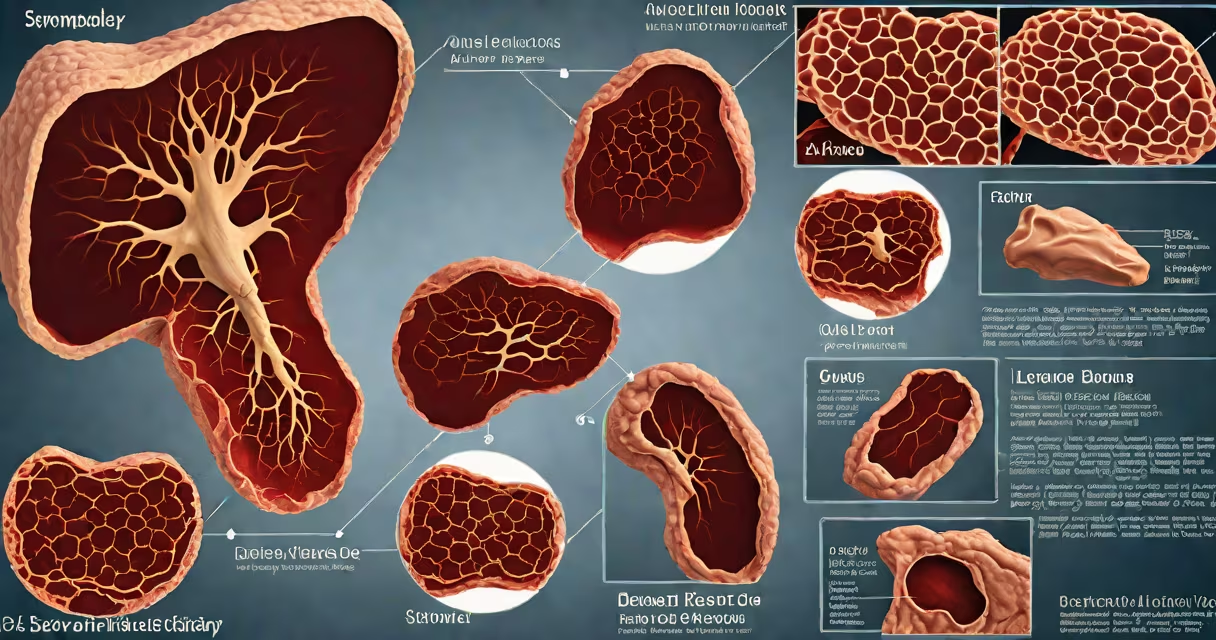
Elevated alanine aminotransferase (ALT) and aspartate aminotransferase (AST) are blood markers indicating liver cell damage or inflammation. These enzymes normally remain inside liver cells; when released into the bloodstream, they signal potential liver dysfunction. Levels above 40 U/L for ALT and 35 U/L for AST are considered elevated, though reference ranges vary slightly between labs.
ALT and AST are primarily found in the liver, but AST also exists in heart muscle, skeletal muscle, kidneys, and red blood cells. Because of this, elevated levels don't always point to liver disease. However, when both ALT and AST rise together-especially if ALT exceeds AST-it strongly suggests liver-specific injury. The most common cause is fatty liver disease, which affects up to 30% of adults in the United States, according to the American Liver Foundation.
Most people with mildly elevated ALT and AST have no noticeable symptoms. When symptoms do appear, they're often vague and non-specific. Fatigue, mild abdominal discomfort, or unexplained weight loss may occur. In advanced cases, jaundice (yellowing of skin and eyes), dark urine, or pale stools can develop. These signs indicate significant liver involvement and require immediate medical attention.
ALT and AST are measured through routine blood tests, typically included in a complete metabolic panel or liver function test. A single elevated result doesn't confirm disease-levels can fluctuate due to recent alcohol intake, intense exercise, or certain medications. Repeat testing after 1-2 weeks is standard practice to confirm persistent elevation.
For example, a 45-year-old man with a BMI of 32 undergoes a routine physical. His initial lab shows ALT at 85 U/L and AST at 60 U/L. After abstaining from alcohol and avoiding NSAIDs for two weeks, he repeats the test. ALT drops to 50 U/L and AST to 42 U/L-still above normal, but less concerning. This pattern supports ongoing monitoring rather than immediate intervention.
When both enzymes are elevated-say, ALT above 100 U/L and AST above 80 U/L-further investigation is needed. Imaging such as ultrasound or FibroScan may assess liver fat, fibrosis, or structural changes. A liver biopsy remains the gold standard for diagnosing specific conditions like non-alcoholic steatohepatitis (NASH).
The most frequent cause of elevated ALT and AST is non-alcoholic fatty liver disease (NAFLD), affecting approximately 25% of adults globally. Other causes include viral hepatitis (B and C), alcoholic liver disease, medication-induced injury (e.g., statins, acetaminophen), autoimmune hepatitis, and hemochromatosis.
A common misconception is that elevated enzymes always mean severe liver disease. In reality, many individuals with mild elevations have no long-term complications. A 2021 study published in *Gastroenterology* found that among patients with ALT levels between 40-100 U/L, only 12% developed fibrosis over five years, even without treatment.
Another error is assuming that high AST alone indicates heart damage. While AST is present in cardiac tissue, isolated AST elevation without other markers (like troponin) rarely reflects myocardial infarction. For accurate diagnosis, clinicians evaluate enzyme patterns alongside clinical context.
Understanding the ratio between AST and ALT helps narrow the cause. A typical pattern includes:
| Pattern | Typical Causes | Associated Conditions |
|---|---|---|
| ALT > AST | Fatty liver, viral hepatitis, drug toxicity | NAFLD, acute hepatitis B/C |
| AST ≈ ALT | Alcohol-related liver disease, cirrhosis | Alcoholic hepatitis, advanced fibrosis |
| AST > ALT | Advanced liver disease, muscle injury | Cirrhosis, rhabdomyolysis |
For instance, a patient with chronic alcohol use may show AST at 120 U/L and ALT at 80 U/L-a ratio of 1.5:1. This pattern aligns with alcohol-related liver injury. In contrast, a patient with NAFLD may have ALT at 150 U/L and AST at 70 U/L, reflecting a higher ALT dominance.
Some people with genetic variants in the *GCKR* gene exhibit persistently elevated ALT without underlying liver pathology. A 2020 study in *Nature Genetics* identified this group as having no increased risk of cirrhosis or liver cancer despite ALT levels above 100 U/L.
Even without symptoms, persistent elevation warrants evaluation. Guidelines from the American Association for the Study of Liver Diseases recommend assessing all patients with ALT > 50 U/L or AST > 40 U/L after two weeks of follow-up testing.
I once observed a 50-year-old woman with no complaints who had ALT at 140 U/L and AST at 90 U/L. She was overweight, sedentary, and took a daily multivitamin containing vitamin D and calcium. After reviewing her history, we ruled out supplements and medications. An ultrasound revealed moderate fatty liver. She improved with diet and exercise, and her enzymes normalized within six months.
If symptoms like jaundice, easy bruising, or swelling in legs appear, consult a healthcare provider immediately. These suggest decompensated liver disease and may require urgent intervention.
Recognizing symptoms of elevated alt and ast begins with awareness. Many cases are silent until irreversible damage occurs. Regular screening, especially for those with metabolic syndrome or heavy alcohol use, is essential for early detection and prevention.