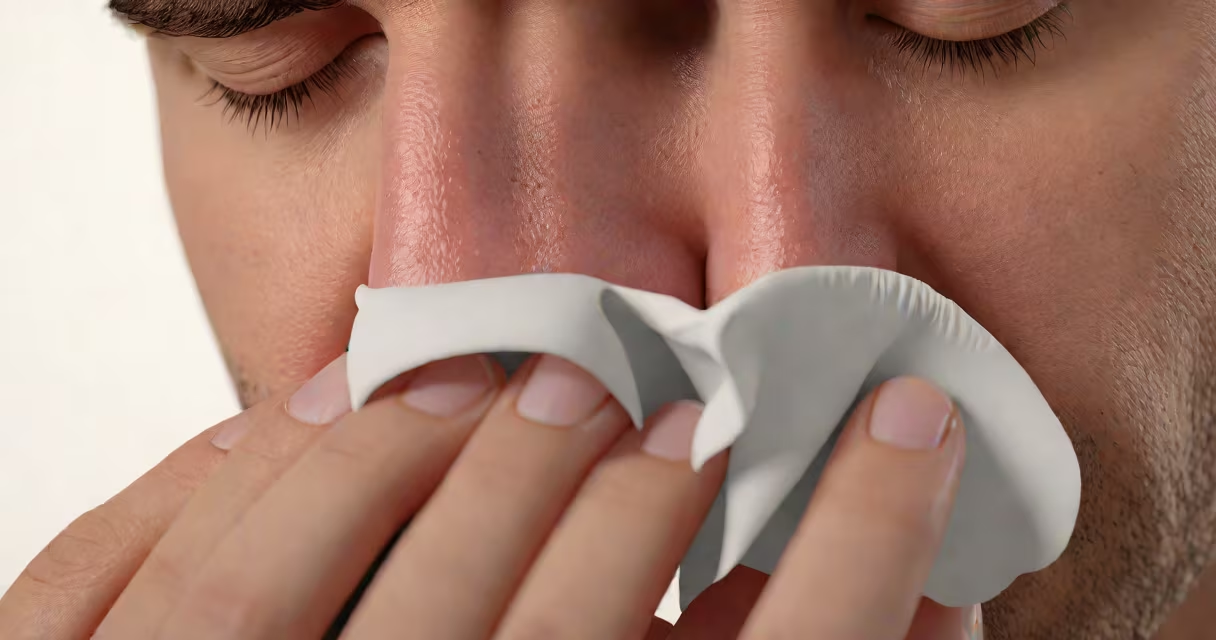
Sniffles are caused by irritation and swelling in the nasal lining, leading to increased mucus production and a runny or congested nose. This response typically stems from viral infections, allergens, or environmental irritants.
The nasal passages are lined with mucous membranes that trap particles and pathogens. When these membranes detect a threat-like a virus or pollen-they trigger inflammation and fluid secretion. The result is the sensation of constant sniffing, often accompanied by a runny or blocked nose. This is not a standalone condition but a symptom of an underlying process.
According to the American Academy of Otolaryngology-Head and Neck Surgery, over 90% of acute sniffles cases stem from viral upper respiratory infections, most commonly rhinovirus. These infections initiate immune responses that increase blood flow and fluid leakage into nasal tissues, causing the familiar symptoms.
When a virus enters the nasal cavity, it attaches to epithelial cells lining the airway. The body responds by releasing cytokines-signaling proteins that recruit immune cells and increase vascular permeability. This leads to swelling, fluid accumulation, and mucus overproduction. The excess mucus drains forward through the nose, creating the persistent need to sniff or blow.
Allergens such as pollen, dust mites, or pet dander trigger a similar reaction via IgE-mediated immune activation. In allergic rhinitis, the immune system overreacts to harmless substances, producing histamine and other mediators that cause sneezing, itching, and nasal discharge. Unlike viral sniffles, allergic ones often occur seasonally or upon exposure to specific triggers.
Irritants like smoke, strong perfumes, or dry air can also provoke sniffles by damaging the mucosal barrier. Dry indoor air during winter months reduces mucus viscosity, making it harder to clear and increasing the perception of congestion. The CDC notes that indoor humidity below 30% correlates with higher rates of upper respiratory symptoms, including chronic sniffles.
Distinguishing between viral, allergic, and irritant-induced sniffles helps guide treatment. Viral sniffles usually appear within 1-3 days of exposure and last 7-10 days. They often start with a sore throat, followed by sneezing and watery discharge. Fever and body aches may accompany them, especially in adults.
Allergic sniffles tend to persist beyond 10 days and recur in the same environment or season. Symptoms include itchy eyes, sneezing fits, and clear, thin mucus. A family history of asthma or eczema increases the likelihood of allergic rhinitis. The Mayo Clinic reports that 10-30% of adults and 15-25% of children experience seasonal allergic rhinitis annually.
Irritant-related sniffles are often immediate and resolve quickly when the source is removed. They lack the systemic signs of viral illness. For example, entering a room with fresh paint or cleaning chemicals may cause sudden sniffing and eye watering, which subside after leaving the area.
| Trigger Type | Onset | Duration | Common Mucus Type | Associated Symptoms |
|---|---|---|---|---|
| Viral infection | 1-3 days post-exposure | 7-10 days | Watery then thickened | Sore throat, fatigue, mild fever |
| Allergy | Immediate upon exposure | Days to weeks (until avoidance) | Clear, thin | Itchy eyes/nose, sneezing, postnasal drip |
| Environmental irritant | Immediate | Minutes to hours after removal | Clear, sometimes thick | Burning sensation, eye watering |
Many assume sniffles are always a sign of a cold. But they can be the first symptom of allergies or even early-stage sinusitis. Persistent sniffles lasting more than two weeks without fever or body aches suggest allergy or non-infectious inflammation rather than a viral illness.
Another misunderstanding is that mucus color indicates infection severity. Yellow or green mucus does not confirm bacterial infection. The American College of Allergy, Asthma & Immunology states that mucus discoloration results from enzymes released by white blood cells during inflammation-not bacteria. Clear mucus does not rule out infection either.
A less obvious point: frequent sniffing can worsen symptoms. Blowing the nose too hard increases pressure in the sinuses and may push mucus backward into the ears or throat. The recommended technique is gentle, alternating nostril blows to reduce risk of ear pain or eustachian tube dysfunction.
In a case studied by the University of Michigan Health System, a 32-year-old office worker reported daily sniffles during spring. Symptoms began within minutes of arriving at work and improved after leaving. Mucus was consistently clear and thin. The patient had no fever, sore throat, or fatigue.
Testing revealed high levels of cat dander and tree pollen in the office HVAC system. After installing HEPA filters and using a nasal saline spray, symptoms resolved within five days. This illustrates how environmental allergens can mimic viral symptoms but respond to targeted avoidance and hygiene measures.
For those unsure whether their sniffles stem from a viral illness or something else, tracking symptoms in a journal-note timing, location, mucus appearance, and associated factors-can reveal patterns. If symptoms persist beyond 10 days or worsen, consulting a healthcare provider is advised.
Understanding what causes sniffles helps avoid unnecessary medication. Antibiotics do not treat viral sniffles and contribute to resistance. Antihistamines are effective only for allergic triggers. Saline rinses and humidifiers support natural clearance across all types.