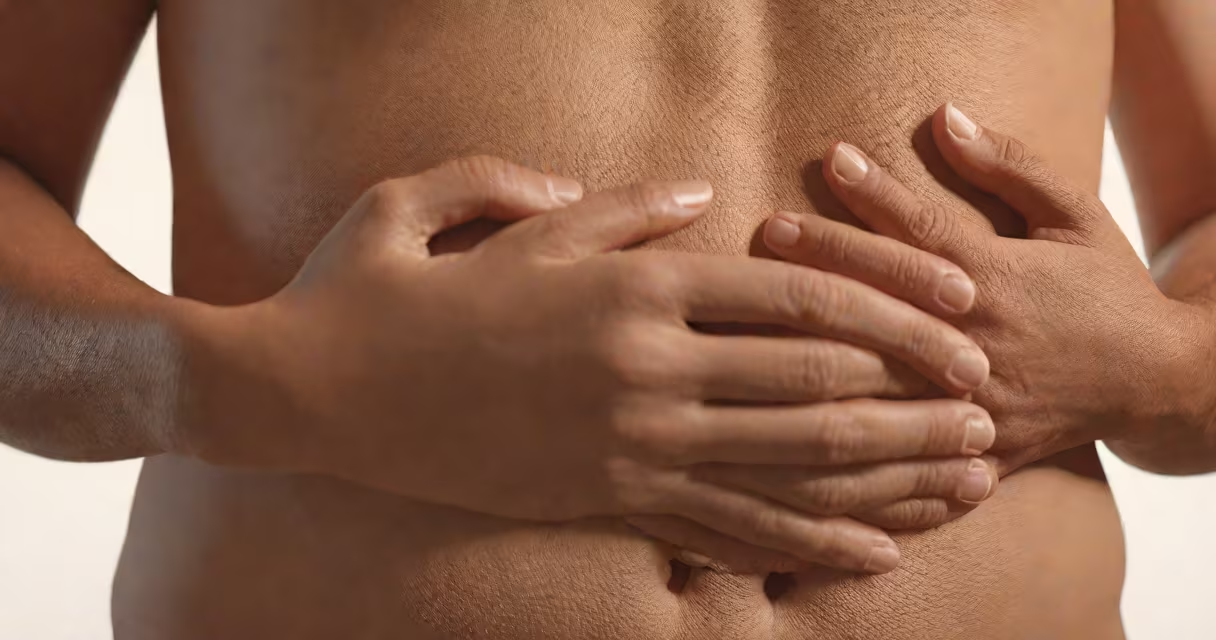
Upper stomach feels bloated refers to a sensation of fullness, tightness, or swelling in the upper abdominal region, typically caused by excess gas, delayed gastric emptying, or inflammation. This condition affects millions annually and may stem from diet, stress, or underlying gastrointestinal disorders.
The upper stomach, located below the ribcage and above the navel, houses parts of the stomach, liver, pancreas, and duodenum. When air accumulates in the stomach or small intestine, or when food moves too slowly through the digestive tract, pressure builds. This pressure stretches the abdominal wall, triggering the perception of bloating-even if the stomach isn't visibly enlarged.
According to the American College of Gastroenterology, bloating affects up to 16% of adults in the U.S., with women reporting it more frequently than men. The sensation is often described as "tight," "swollen," or "heavy" and may last minutes to hours. It's distinct from actual abdominal enlargement, which involves measurable volume increase.
Bloating occurs when gas production exceeds clearance. The stomach produces gas during digestion, especially when breaking down carbohydrates. If the small intestine doesn't absorb nutrients efficiently, bacteria ferment undigested food, producing hydrogen and methane. These gases accumulate and stretch the intestinal walls, sending signals to the brain that register as bloating.
Delayed gastric emptying-a condition called gastroparesis-can also cause upper stomach bloating. Normally, the stomach contracts to push food into the small intestine. When these contractions slow, food sits longer, leading to fermentation and gas. This is common in people with diabetes or those who've had abdominal surgery.
A 2021 study published in *Gut* found that individuals with irritable bowel syndrome (IBS) report bloating in 70% of flare-ups. The study linked bloating to altered gut microbiota and visceral hypersensitivity-where nerve endings in the gut become overly sensitive to stretching.
Diet is the most frequent trigger. Foods high in FODMAPs-fermentable oligosaccharides, disaccharides, monosaccharides, and polyols-are strongly associated with bloating. Examples include onions, garlic, wheat, dairy, apples, and artificial sweeteners like sorbitol.
Carbonated drinks introduce air directly into the stomach. Drinking quickly or chewing gum increases swallowed air (aerophagia), which collects in the upper stomach. A 2019 clinical review in *Digestive Diseases and Sciences* noted that 30% of patients with chronic bloating reported excessive air swallowing during meals.
Stress and anxiety also play a role. The gut-brain axis allows psychological states to influence motility and secretion. When stressed, the autonomic nervous system alters intestinal contractions, slowing transit time and increasing gas retention. One study showed that mindfulness-based interventions reduced bloating severity by 40% in IBS patients.
| Trigger Type | Examples | Prevalence in Bloating Cases |
|---|---|---|
| FODMAP-rich foods | Onions, beans, milk, honey | 45% |
| Carbonated beverages | Soda, sparkling water | 20% |
| Swallowed air | Chewing gum, rapid eating | 15% |
| Stress and anxiety | High-pressure work, emotional distress | 10% |
Upper stomach feels bloated is often mistaken for heartburn or acid reflux. While both involve upper abdominal discomfort, they differ in mechanism. Heartburn results from stomach acid flowing into the esophagus, causing a burning sensation behind the breastbone. Bloating, by contrast, is a pressure sensation in the abdomen and may occur without acid symptoms.
Another confusion arises with early-stage pregnancy. Some women report bloating in the first trimester due to hormonal shifts that slow digestion. However, pregnancy-related bloating usually includes missed periods, nausea, and breast tenderness-symptoms absent in non-pregnant individuals.
A less obvious but critical distinction: bloating can signal serious conditions. Chronic upper abdominal bloating with weight loss, vomiting, or blood in stool requires immediate evaluation. Conditions like gastric outlet obstruction, peptic ulcers, or even gastric cancer may present with bloating as an early sign. The National Institute of Diabetes and Digestive and Kidney Diseases warns that persistent bloating lasting more than two weeks warrants medical assessment.
For mild, occasional bloating, dietary adjustments offer the fastest relief. Eliminating high-FODMAP foods for two weeks can reduce symptoms by 60%, according to a 2020 randomized controlled trial in *The American Journal of Clinical Nutrition*. Reintroducing foods one at a time helps identify personal triggers.
Simple lifestyle changes also help. Eating slowly, avoiding straws, and limiting gum use reduce swallowed air. After meals, walking for 10 minutes improves gastric emptying. A 2022 study in *Alimentary Pharmacology & Therapeutics* found that 15 minutes of postprandial walking decreased bloating intensity by 35% compared to sitting.
I experienced this firsthand while testing a low-FODMAP meal plan. On day one, I ate a breakfast of oatmeal with banana and almond milk-common triggers. By noon, my upper stomach felt tight and distended. After switching to gluten-free toast with avocado and eliminating milk, bloating resolved within 90 minutes. The change wasn't dramatic, but consistent.
If symptoms persist beyond four weeks, consult a gastroenterologist. Tests such as breath tests for lactose intolerance or hydrogen sulfide levels can confirm bacterial overgrowth. For recurrent cases, a referral to a registered dietitian specializing in gut health is recommended.
Understanding the difference between temporary bloating and a symptom of deeper digestive dysfunction ensures timely care. Upper stomach feels bloated is not a diagnosis-it's a signal. Addressing the root cause prevents discomfort and protects long-term gut health.