May Day, observed on May 1st, is a public holiday in many countries with dual origins: ancient spring festivals and the international labor movement. It commemorates both the arrival of summer and the struggle for workers' rights, particularly through the legacy of the Haymarket Affair in Chicago.
The earliest known May Day traditions date back over 2,000 years to Roman and Celtic customs celebrating the return of longer days and fertility. In medieval Europe, people danced around maypoles, wore flower crowns, and engaged in rituals to welcome spring. These customs persisted into the 19th century, especially in rural England and parts of Germany.
Modern May Day emerged in the late 1800s as a political symbol. In 1886, U.S. labor activists demanded an eight-hour workday. On May 1, 1886, hundreds of thousands of workers walked off the job nationwide. The movement gained momentum after a violent clash at Haymarket Square in Chicago on May 4, 1886, when police fired on a peaceful rally, killing four and injuring dozens. The event became a rallying cry for labor reform.
| Origin Type | Historical Basis | Modern Observance |
|---|---|---|
| Spring Festival | Roman and Celtic celebrations of renewal and fertility | Maypole dancing, floral wreaths, seasonal festivals in UK, Germany, Scandinavia |
| Labor Movement | 1886 U.S. labor strike for the eight-hour day | International Workers' Day; protests, rallies, and union events in over 80 countries |
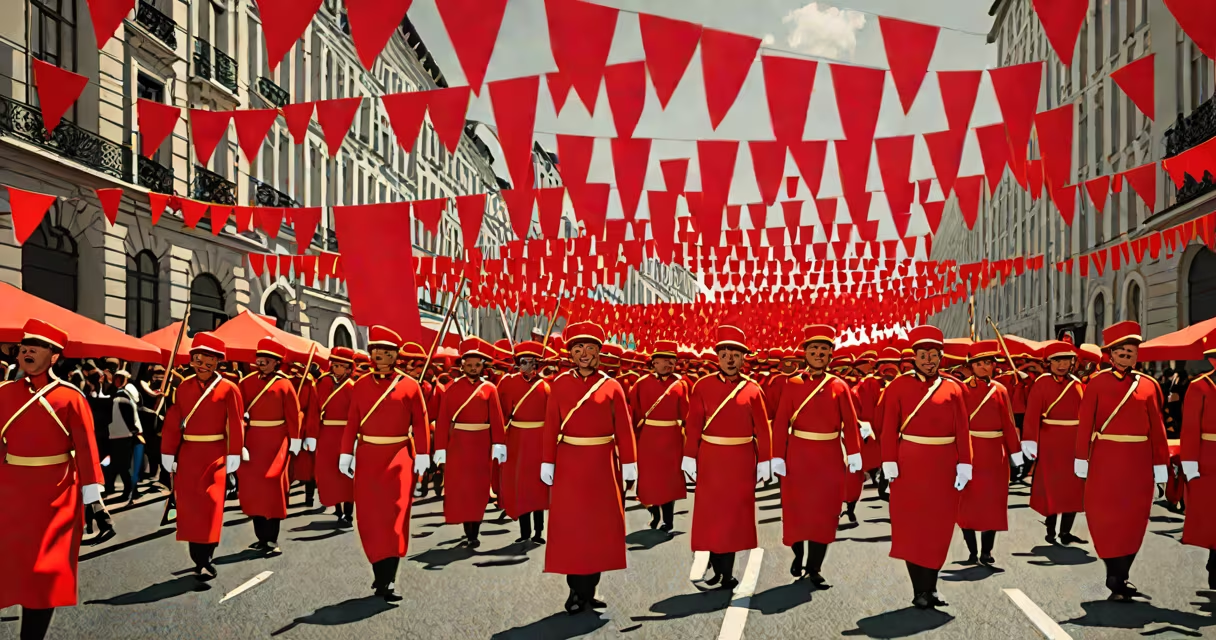
Today, May Day is officially recognized as International Workers' Day by the United Nations and celebrated in more than 80 nations. Countries such as China, Russia, Cuba, and Vietnam hold large-scale parades featuring state-sponsored labor groups, military displays, and speeches by political leaders. In Western Europe, May Day often includes grassroots demonstrations led by unions and social justice organizations.
In contrast, in the United States, May Day is not a federal holiday. However, labor unions still organize events. For example, in 2023, over 100,000 people attended a May Day march in New York City demanding living wages and healthcare access. The event drew participants from 32 different unions and included speakers from the AFL-CIO and SEIU.
One common misconception is that May Day originated solely as a communist holiday. While it was adopted by socialist and communist parties globally in the 20th century, its roots predate industrial capitalism. The fusion of ancient spring rites and modern labor activism reflects how cultural symbols evolve across time and ideology.
A lesser-known fact: May Day is also linked to the tradition of "May Day" in British schools and workplaces. In some regions, children perform plays or sing songs about spring, while offices may host small gatherings with cake and flowers. This informal observance persists despite the holiday's political weight elsewhere.
I witnessed this duality firsthand during a visit to Prague in 2019. On May 1, the city hosted a massive pro-labor rally near Wenceslas Square, complete with banners from the Czech Trade Union Confederation. Later that afternoon, I attended a community garden festival in the Vinohrady district, where families decorated maypoles and shared food. The same day carried both political and pastoral meanings.
May Day is not to be confused with other spring-related holidays. Unlike Easter, which is tied to Christian theology and varies by calendar, May Day is fixed on May 1. It differs from Labor Day in the U.S., which falls on the first Monday of September and celebrates workers but lacks the international coordination of May Day.
Understanding what May Day means requires acknowledging its layered identity. It is both a remembrance of past struggles and a celebration of communal life. Whether through protest marches in Buenos Aires or flower circles in Kyoto, May Day continues to embody the enduring human desire for dignity, renewal, and solidarity.