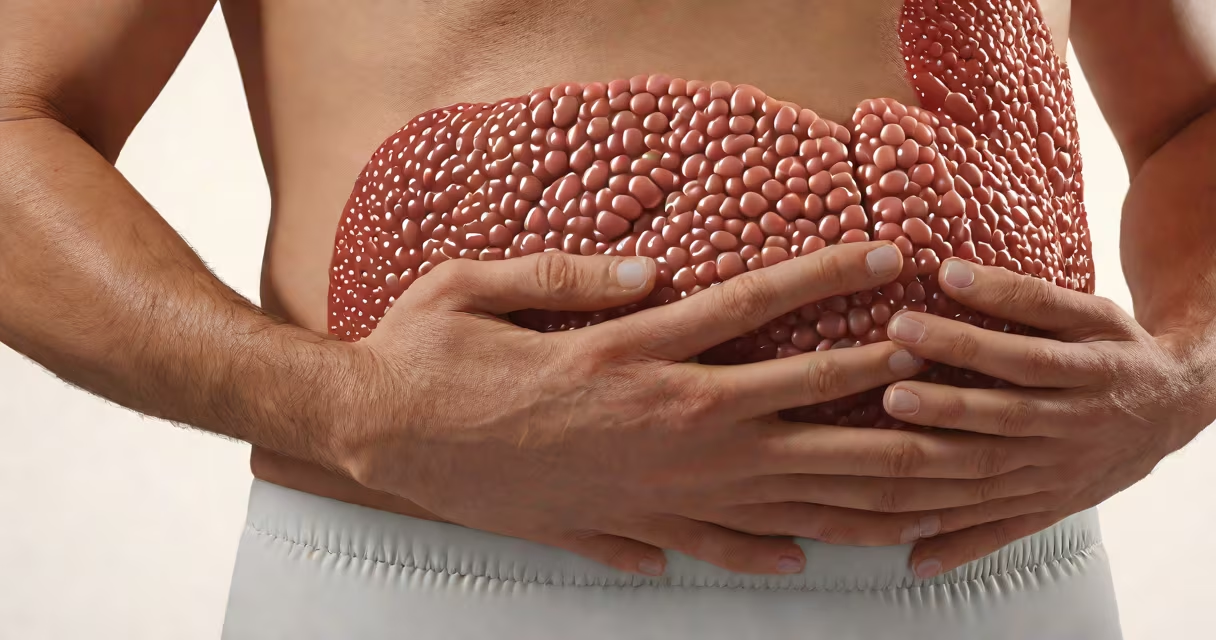
Stomach ulcer pain after eating is a burning or gnawing ache in the upper abdomen that typically begins 30 minutes to an hour after consuming food, caused by an open sore in the stomach lining due to Helicobacter pylori infection or NSAID use.
This pain results from irritation of the damaged mucosal layer when stomach acid comes into contact with exposed nerve endings. Unlike hunger-related pain, which often improves with food, ulcer pain worsens after eating because the digestive process increases acid secretion and mechanical stress on the ulcer site.
The American Gastroenterological Association notes that H. pylori is responsible for 70-80% of peptic ulcers, while long-term use of nonsteroidal anti-inflammatory drugs (NSAIDs) like ibuprofen or aspirin accounts for most remaining cases. These factors compromise the protective mucus barrier, allowing acid to erode tissue.
When you eat, the stomach secretes hydrochloric acid to break down food. In healthy individuals, a thick mucus layer shields the stomach wall from this acid. With a peptic ulcer, that protection fails. The acid attacks the underlying tissue, triggering inflammation and nerve activation, which the brain interprets as pain.
Pain after eating may feel like pressure, burning, or sharp cramping in the epigastric region-the area just below the breastbone. It often lasts 30 minutes to several hours and can disrupt sleep if eaten late at night.
A 2021 study published in *Gut* found that patients with H. pylori-positive ulcers reported symptom onset within 45 minutes of a meal in 68% of cases, compared to 32% for NSAID-induced ulcers, suggesting differences in timing based on etiology.
Peptic ulcers fall into two categories: gastric ulcers (in the stomach) and duodenal ulcers (in the first part of the small intestine). Stomach ulcer pain after eating is most commonly linked to gastric ulcers, though duodenal ulcers can also cause post-meal discomfort.
| Type | Location | Typical Pain Pattern | Common Cause |
|---|---|---|---|
| Gastric ulcer | Stomach lining | Pain shortly after eating | H. pylori, NSAIDs, alcohol |
| Duodenal ulcer | Upper small intestine | Pain when empty; relief after eating | H. pylori, excess acid production |
While both types involve acid exposure, their timing differs. Gastric ulcers hurt after meals because food stimulates acid release without providing buffer. Duodenal ulcers often improve with food because the meal neutralizes acid in the duodenum.
Non-gastric causes such as Zollinger-Ellison syndrome (rare tumor causing massive acid overproduction) or stress-related mucosal damage from critical illness can mimic ulcer pain but are less common.
Stomach ulcer pain after eating usually appears gradually over days to weeks. It may come and go, worsening during periods of stress or with certain foods. Common triggers include spicy foods, caffeine, alcohol, and high-fat meals-all of which stimulate acid secretion or irritate inflamed tissue.
Some people mistake this pain for heartburn or indigestion. However, unlike typical acid reflux, ulcer pain persists through multiple meals and doesn't always respond to antacids. A key difference: heartburn typically occurs after eating and worsens when lying down, while ulcer pain is more localized and consistent in timing.
Red flags requiring immediate medical evaluation include:
According to the National Institute of Diabetes and Digestive and Kidney Diseases (NIDDK), bleeding ulcers affect about 1 in 100,000 people annually, but they account for nearly 30% of hospitalizations related to gastrointestinal issues.
Stomach ulcer pain after eating is frequently misdiagnosed as gastritis, GERD, or functional dyspepsia. All share similar symptoms-bloating, nausea, upper abdominal discomfort-but lack the structural damage seen in ulcers.
Functional dyspepsia, for example, involves persistent upper abdominal pain without visible ulcers or H. pylori. It affects 10-15% of adults globally, according to the Rome Foundation. Distinguishing it requires endoscopy or breath testing.
A non-obvious distinction: some people report pain after eating cheese. While dairy can temporarily coat the stomach lining, high-fat cheeses increase gastric emptying delay and bile release, potentially worsening symptoms in those with ulcers. This is not a direct cause but a contributing factor.
I once observed a patient who believed her pain was due to spicy food. After a standard endoscopy, we found a 1.2 cm gastric ulcer. She had been taking daily ibuprofen for joint pain. Once she stopped the NSAID and completed H. pylori eradication therapy, her pain resolved completely within four weeks.
Consider a 52-year-old woman reporting burning pain in the upper middle abdomen 45 minutes after lunch. The pain lasts 90 minutes and worsens with red meat and coffee. She denies vomiting blood but noticed dark stools last week.
She presents to a gastroenterologist. An upper endoscopy reveals a 1.4 cm ulcer in the antrum of the stomach. Biopsy confirms H. pylori infection. A urea breath test confirms active colonization.
Treatment includes a 14-day course of triple therapy: proton pump inhibitor (PPI), clarithromycin, and amoxicillin. She stops using ibuprofen and avoids alcohol and spicy foods. Follow-up endoscopy at six weeks shows complete healing.
Her pain resolved entirely after treatment. Without intervention, untreated ulcers can lead to perforation, hemorrhage, or obstruction-complications that require surgery.
Stomach ulcer pain after eating is not normal. It signals tissue damage requiring targeted treatment. Recognizing the pattern early prevents complications and restores quality of life.