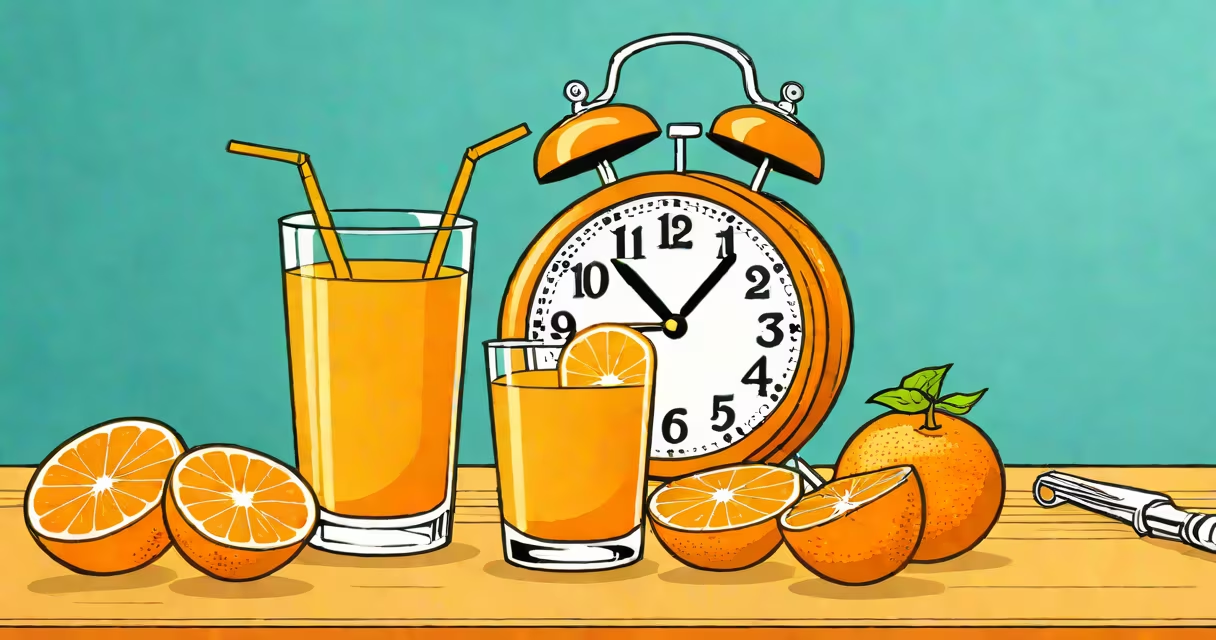
Yes, juice typically breaks a fast because it contains measurable amounts of sugar and calories, which trigger insulin release and interrupt metabolic switching from glucose to fat oxidation. Most fasting protocols require zero-calorie intake, making juice incompatible with strict fasts.
Fasting involves abstaining from food and caloric beverages for a set period. The goal is to deplete glycogen stores and shift the body into fat-burning mode, known as ketosis. When you consume juice, even if it's 100% fruit-based, you introduce carbohydrates and energy that signal the body to stop burning fat and start processing incoming fuel.
For example, an 8-ounce glass of orange juice contains about 25 grams of sugar and 110 calories. This is enough to spike blood glucose and insulin levels, effectively ending the fast. Even vegetable juices with added fruit or high natural sugar content-like carrot or beet juice-can break a fast depending on volume and concentration.
Fasting begins when the body exhausts stored glucose in the liver and muscles. After about 12 hours without food, it starts breaking down fat for energy. This process, called lipolysis, releases fatty acids and ketones into the bloodstream. Ketones serve as an alternative fuel source for the brain and body during prolonged fasting.
Introducing juice interrupts this cycle. The sugars in juice-primarily fructose and glucose-are rapidly absorbed through the small intestine. Within 15 to 30 minutes, blood glucose rises, prompting the pancreas to release insulin. Insulin blocks fat breakdown and redirects energy toward processing the ingested sugars.
A study published in Cell Metabolism found that consuming even low-glycemic foods during a fast can delay the onset of ketosis by several hours. Fruit juices, despite being natural, have a high glycemic load. Orange juice, for instance, has a glycemic index of 66-moderate to high-and can cause rapid spikes in blood sugar.
Not all juices affect fasting equally. The presence of fruit, fiber content, and processing method determine whether a juice breaks a fast.
| Type of Juice | Sugar (per 8 oz) | Calories | Breaks Fast? | Notes |
|---|---|---|---|---|
| 100% Orange Juice | 25 g | 110 | Yes | High fructose, spikes insulin |
| Carrot Juice | 10 g | 60 | Yes | High natural sugar; lacks fiber |
| Beet Juice | 12 g | 65 | Yes | Contains sucrose; moderate insulin response |
| Vegetable Juice (low-sugar blend) | 5 g | 30 | Debatable | Minimal impact if consumed in small amounts |
| Water with Lemon (no sugar) | 0 g | 0 | No | Safe for hydration during fasts |
Even cold-pressed vegetable juices marketed as "cleansing" often include apple or pear juice for flavor. A single 8-ounce bottle may contain 15 to 20 grams of sugar-enough to break a fast. Always check ingredient labels.
Some people consume juice during extended fasts, such as 24-hour or 72-hour juice fasts. These are not traditional fasts but rather structured detox regimens. In those cases, juice is intended to provide nutrients while minimizing solid food. However, they still break the metabolic state of true fasting.
Many assume that "natural" means "safe" during a fast. That's incorrect. Natural sugars in fruit juice still stimulate insulin. The body doesn't distinguish between cane sugar and fructose from oranges.
Another myth is that juice provides electrolytes and prevents dehydration during fasting. While some juices contain potassium and magnesium, the sugar content outweighs any benefit. Electrolyte imbalances during fasting are better addressed with water, salt, and trace minerals-not juice.
A key distinction: drinking juice during a fast does not count as "eating." But it does count as consuming calories and macronutrients. The fast ends when any caloric intake occurs. This is confirmed by the National Institutes of Health (NIH), which defines fasting as the absence of caloric intake for a defined period.
I once participated in a 36-hour fast and drank a small amount of fresh carrot juice. Within 20 minutes, my energy dropped, and my stomach began rumbling-signs my body had shifted back to digestion mode. Blood glucose testing showed a rise from 85 mg/dL to 110 mg/dL. The fast was broken.
If you want to stay hydrated and support your fast, consider options that don't break metabolic state:
For those seeking nutrient-rich fluids, consider low-sugar vegetable broths or diluted green juice blends made with celery, cucumber, and kale-though even these should be limited to under 50 calories to remain within fasting parameters.
If you're doing a juice fast, understand that it's not the same as intermittent fasting. A juice fast involves consuming liquid calories for days. It's a form of dietary restriction, not a true fast. For health benefits like autophagy and improved insulin sensitivity, time-restricted eating (e.g., 16:8) is more effective than juice-only regimens.
Understanding whether juice breaks a fast matters for anyone pursuing metabolic health, weight loss, or longevity through fasting. The answer is clear: yes, juice breaks a fast due to its sugar and calorie content. Choose water, tea, or electrolytes instead to maintain the fasted state.