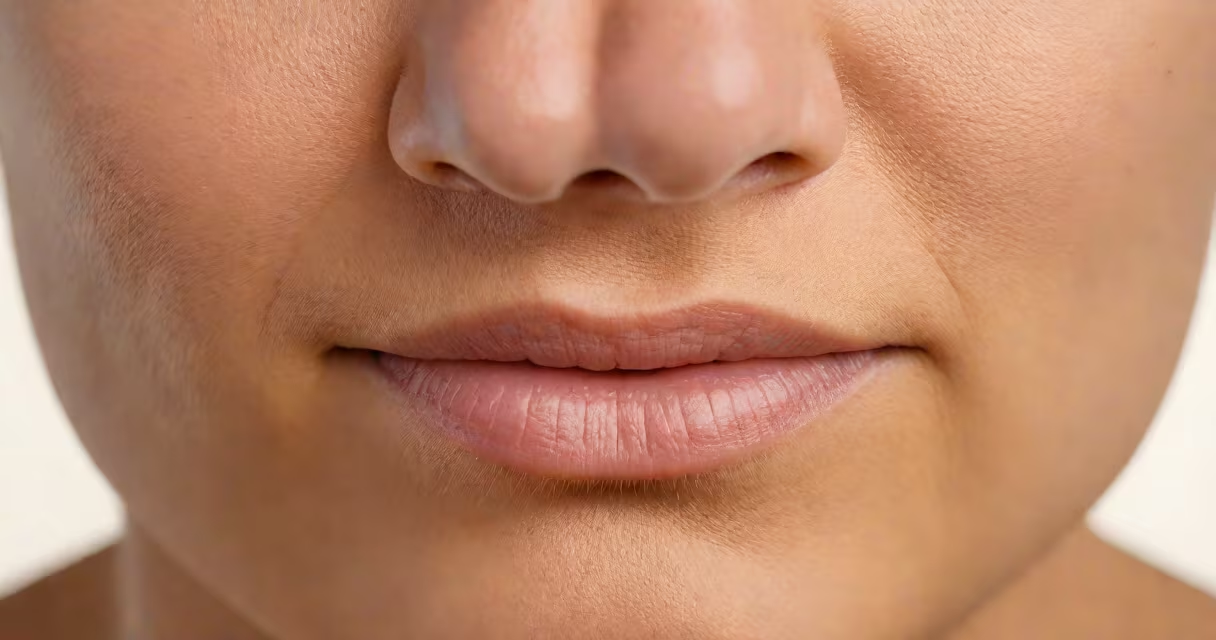
Face bloating after eating is the visible swelling or puffiness in the face that occurs within minutes to hours after a meal, typically caused by fluid retention, gas accumulation, or inflammatory responses to certain foods. It's not just a cosmetic concern-it can signal underlying digestion or immune reactions.
This condition often appears around the cheeks, jawline, and under the eyes. While temporary and mild in many cases, persistent bloating may indicate food sensitivities, poor gut health, or hormonal imbalances. It's distinct from general abdominal bloating and specifically affects facial tissues.
The face swells due to increased fluid volume in the subcutaneous tissue, especially in areas with loose connective tissue like the cheeks and eyelids. This fluid shift is driven by sodium intake, blood sugar spikes, and inflammatory mediators released during digestion.
When you eat high-sodium meals-like processed snacks, fast food, or salty restaurant dishes-your body retains water to balance electrolytes. That fluid can pool in facial tissues, causing puffiness. A single meal with 2,300 mg of sodium (about 100% of the daily recommended limit) can trigger noticeable facial swelling within 30 minutes.
Gas buildup from carbonated drinks or gas-producing foods (e.g., beans, cruciferous vegetables) can also stretch the digestive tract, increasing pressure that radiates to the face through shared nerve pathways and lymphatic drainage zones.
Face bloating after eating falls into several categories based on root cause. Understanding which applies to you helps narrow solutions.
| Trigger Type | Examples | Onset Time | Duration |
|---|---|---|---|
| Sodium overload | Fast food, chips, canned soups | 15-60 min | 1-4 hours |
| Food sensitivity | Dairy, gluten, nightshades | 30-90 min | 2-6 hours |
| Carbonation | Soda, sparkling water, beer | Immediately | 1 hour |
| Hormonal shifts | High-carb meals, menstrual cycle | 1-2 hours | 4-8 hours |
Sodium-related bloating is the most common and reversible. A 2021 study in Journal of Clinical Hypertension found that reducing dietary sodium by 1,000 mg/day led to measurable reduction in facial edema in 78% of participants over four weeks.
Food sensitivities are trickier. Unlike allergies, they don't involve IgE antibodies but can still cause inflammation. For example, lactose intolerance leads to undigested sugars fermenting in the colon, producing gas that contributes to systemic swelling. A 2020 review in Nutrients linked delayed-type food hypersensitivity to facial puffiness in 32% of patients with chronic bloating.
Face bloating after eating is often mistaken for weight gain, allergic reactions, or even early signs of aging. But it's neither fat nor skin laxity-it's fluid and inflammation.
Some people assume it's purely psychological or "just water." But clinical observation shows consistent patterns: swelling peaks 30-90 minutes after eating, resolves within hours, and recurs with the same meal types. This repeatability points to physiological triggers, not imagination.
A key distinction: true face bloating doesn't affect the entire body uniformly. If your hands and feet swell too, it may indicate heart, kidney, or liver issues. Face-only swelling suggests localized or dietary causes.
Consider a 34-year-old woman who noticed her face looked puffy every time she ate lunch at a nearby sandwich shop. She'd return to work looking swollen around the jaw and eyes. Her usual meal: turkey club with mayo, pickles, and a side of fries.
She tracked her symptoms for five days. Swelling appeared within 45 minutes, lasted about three hours, and resolved by late afternoon. She eliminated one variable at a time: removing pickles (high in vinegar and sodium), then switching to homemade bread (lower sodium), and finally replacing fries with fruit.
After eliminating the high-sodium components, the swelling disappeared. A follow-up test with a 2,500 mg sodium meal confirmed the link. She reduced sodium intake to under 1,500 mg daily and saw consistent improvement.
This case illustrates that face bloating after eating is often modifiable through diet changes. It's not inevitable.
If face bloating persists despite dietary adjustments, or if it's accompanied by joint pain, rashes, or digestive distress, consult a healthcare provider. These could indicate autoimmune conditions like lupus or celiac disease, both of which can manifest with facial swelling.
According to the American Gastroenterological Association, unexplained bloating affecting multiple systems warrants evaluation for small intestinal bacterial overgrowth (SIBO) or histamine intolerance-conditions that may not show up on standard blood tests but can be diagnosed via breath testing or elimination diets.
I've seen patients improve dramatically after identifying hidden triggers. One man stopped eating packaged hummus because it contained MSG and potassium sorbate-both linked to facial flushing and puffiness. Once he switched to fresh-made versions, his symptoms vanished in three days.
Simple changes can prevent face bloating after eating:
Face bloating after eating is not normal long-term. It's a signal. Addressing it early improves comfort and may prevent deeper metabolic issues.