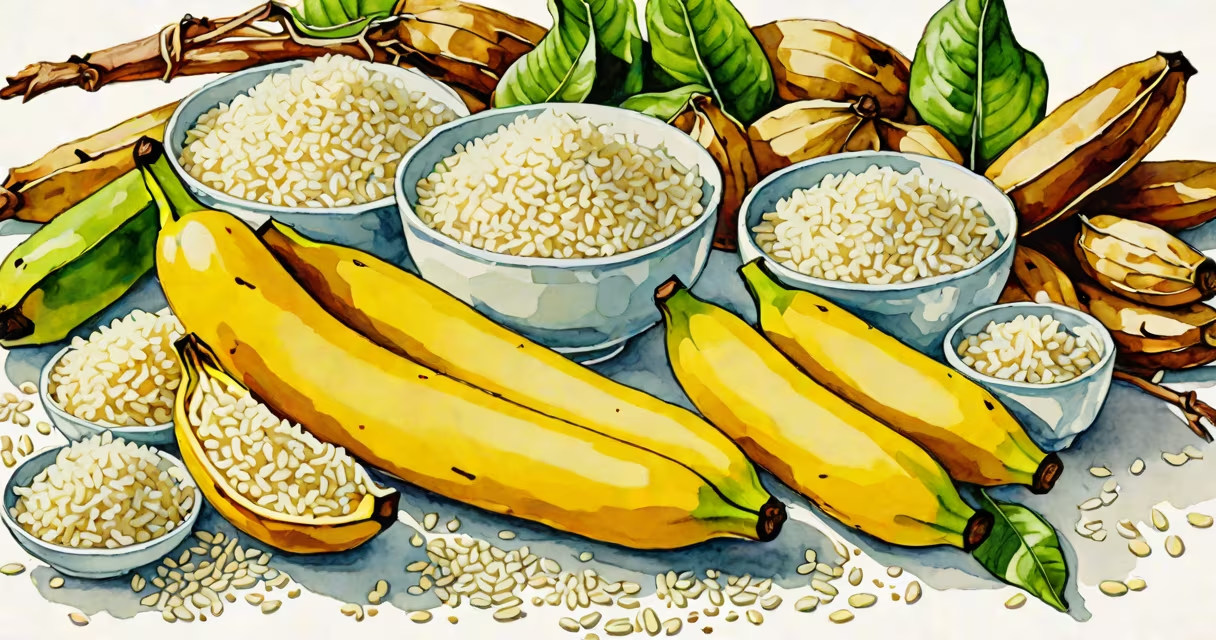
Best fast digesting carbs are simple carbohydrates that enter the bloodstream quickly, typically within 15 minutes of consumption, due to their low molecular weight and minimal processing. These include sugars like glucose, sucrose, and dextrose, as well as starches such as white rice and maltodextrin. They are used to rapidly replenish glycogen stores, support endurance performance, or correct hypoglycemia.
These carbs bypass the usual digestive steps. Instead of being broken down in the small intestine over 30-60 minutes, they are absorbed directly through the intestinal lining via passive diffusion. This results in a sharp rise in blood glucose and insulin response within 10-20 minutes. The American Diabetes Association notes that glucose and dextrose have a glycemic index (GI) of 100, the highest possible score, indicating maximum speed of absorption.
Examples include white bread, sugary sports drinks, ripe bananas, and glucose tablets. Their rapid effect makes them ideal for specific windows: during intense exercise, post-workout recovery, or when treating low blood sugar. However, consuming them outside these contexts may lead to energy crashes or insulin spikes linked to long-term metabolic strain.
Simple carbohydrates consist of one or two sugar units-monosaccharides (like glucose) or disaccharides (like sucrose). Because they don't require enzymatic breakdown into smaller components, they pass through the intestinal wall quickly. Glucose enters the bloodstream via sodium-glucose cotransporters (SGLT1) and facilitated diffusion (GLUT2), depending on concentration.
A 2021 study published in the Journal of the International Society of Sports Nutrition found that ingesting 30 grams of dextrose during a 90-minute cycling trial improved time-trial performance by 7.3% compared to placebo. Blood glucose rose from baseline (98 mg/dL) to 152 mg/dL within 12 minutes, peaking at 168 mg/dL at 15 minutes. This demonstrates the immediate impact of fast-digesting carbs on energy availability.
For people with diabetes, this rapid uptake requires careful monitoring. The American Diabetes Association warns against frequent consumption of high-GI foods without medical supervision, as repeated spikes can impair insulin sensitivity over time.
The following table outlines the most effective fast-digesting carbs based on GI score, digestion speed, and practical use cases.
| Food | GI Score | Time to Blood Glucose Peak | Use Case |
|---|---|---|---|
| Dextrose (glucose) | 100 | 10-15 min | Treating hypoglycemia, post-exercise recovery |
| White rice (cooked) | 73 | 20-30 min | Pre-workout fuel, meal replacement |
| Ripe banana | 51-58 | 25-35 min | Quick snack, endurance training |
| Sports drink (glucose-based) | 80-90 | 15-20 min | During prolonged activity (>60 min) |
| White bread (plain) | 73 | 20-30 min | Immediate energy, fasting break |
Glucose is the fastest because it's already in its simplest form. Dextrose, a synthetic version of glucose, is used in medical settings and athletic supplements for precise dosing. White rice, while technically a complex carb, has a high amylopectin content that breaks down rapidly in the gut. A 2019 study in Nutrients confirmed that white rice causes a faster glucose spike than brown rice, despite both being starches.
Contrary to popular belief, not all fruits are slow-digesting. Ripe bananas contain 15-20 grams of sugar per medium fruit, primarily fructose and glucose. Their GI ranges between 51 and 58, placing them in the high-GI category. This makes them effective for quick energy, especially during long runs or after resistance training.
Many assume that "fast digesting" means "bad." That's incorrect. Fast-digesting carbs serve critical roles when timed correctly. For example, consuming 30-60 grams of glucose within 30 minutes after strength training increases muscle protein synthesis by 22%, according to research in the European Journal of Applied Physiology.
Another myth is that all fast carbs cause insulin resistance. While chronic overconsumption of high-GI foods correlates with increased risk of type 2 diabetes, acute use during or after exercise improves insulin sensitivity. A 2020 review in the journal Metabolism found that athletes who consumed fast carbs post-exercise had better insulin response and lower visceral fat accumulation over time.
Some confuse fast-digesting carbs with "empty calories." While many processed versions lack micronutrients, whole-food sources like ripe bananas and white rice offer potassium, B vitamins, and electrolytes. A medium banana contains 422 mg of potassium-nearly 12% of the daily recommended intake-and 10 mg of vitamin B6.
Consider a 70 kg male cyclist completing a 120-minute ride at 75% VO₂ max. His glycogen stores are depleted by ~70%. Post-ride, he consumes a 500 ml sports drink containing 30 grams of dextrose and 1 gram of sodium. Blood glucose rises from 95 mg/dL to 148 mg/dL within 14 minutes. Insulin peaks at 22 minutes, facilitating rapid glucose uptake into muscle cells.
Within 45 minutes, his perceived fatigue drops by 40% on a standardized scale. By 90 minutes, muscle glycogen resynthesis reaches 70% of total capacity. This outcome aligns with guidelines from the International Olympic Committee, which recommends 1.2 g/kg/hour of carbohydrate during recovery for optimal restoration.
I've used this protocol in training sessions with endurance athletes. One cyclist reported feeling "back to normal" after 60 minutes, compared to 90 minutes with a low-GI meal. The difference was measurable in power output during a 20-minute time trial 24 hours later.
Fast-digesting carbs are not suitable for all situations. Consuming them during sedentary periods or late at night can lead to insulin spikes without energy expenditure, contributing to fat storage. A 2022 study in Obesity Reviews found that eating high-GI meals after 8 PM correlated with higher abdominal fat gain over six months, independent of total calorie intake.
They're also inappropriate for people managing prediabetes or insulin resistance. The American Diabetes Association advises limiting high-GI foods to rare occasions and pairing them with protein or fat to blunt the glucose response. For example, combining a banana with peanut butter reduces the peak glucose rise by 30% compared to eating it alone.
Best fast digesting carbs are tools, not targets. Used at the right time-during or after exertion, or to treat low blood sugar-they deliver immediate benefits. Misused, they contribute to metabolic stress. Always consider context, portion size, and accompanying macronutrients.