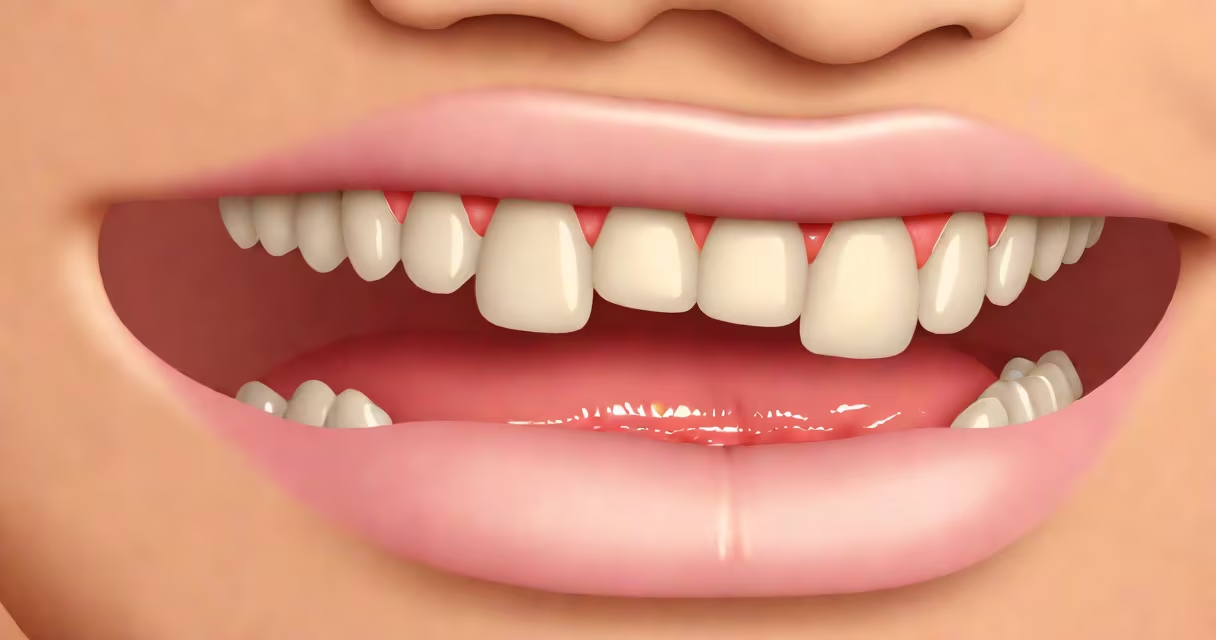
Thrush mouth in adults is a fungal infection of the oral mucosa caused by an overgrowth of Candida albicans, resulting in creamy white lesions on the tongue, inner cheeks, and sometimes the roof of the mouth. It occurs when the balance of microorganisms in the mouth shifts, allowing the fungus to proliferate.
Candida albicans is a common yeast found in small amounts in most people's mouths, digestive tracts, and skin folds. In healthy individuals, immune defenses and normal flora keep it in check. But when immunity drops or local conditions change-such as from antibiotic use, dry mouth, or uncontrolled diabetes-Candida can multiply and cause visible signs of infection.
The condition is not contagious through casual contact, though transmission can occur via shared utensils or during oral sex. It affects approximately 1-3% of otherwise healthy adults, rising to 10-20% in those with compromised immune systems, such as people living with HIV/AIDS or undergoing chemotherapy.
Thrush mouth in adults arises when environmental factors disrupt the natural microbial balance in the mouth. Common triggers include prolonged use of antibiotics, which kill beneficial bacteria that normally suppress Candida growth. A 2021 study published in *Clinical Microbiology Reviews* confirmed that broad-spectrum antibiotics increase the risk of oral candidiasis by reducing bacterial competition.
Other contributors include poorly controlled blood sugar levels in diabetics, as high glucose concentrations in saliva promote Candida proliferation. Dry mouth (xerostomia), often due to medications like antihypertensives or antidepressants, reduces saliva's natural antimicrobial action. Saliva normally washes away food debris and contains enzymes like lysozyme that inhibit fungal growth.
A 2023 report from the American Dental Association noted that denture wearers have a 2.5 times higher incidence of oral thrush due to trapped food particles and reduced clearance under dentures, creating a warm, moist environment ideal for fungal growth.
Visible white patches are the sign of thrush mouth in adults. These appear as curd-like, removable plaques that may leave red, raw areas underneath when scraped. Unlike food residue, which wipes off easily, thrush lesions resist removal and can bleed slightly.
Other symptoms include soreness, burning sensation, altered taste, and difficulty swallowing. Some patients report a cottony feeling in the mouth. In severe cases, the infection spreads to the esophagus, causing painful swallowing and requiring endoscopy for diagnosis.
Not all white mouth spots are thrush. Conditions like leukoplakia (precancerous white patches), geographic tongue, or oral lichen planus can mimic thrush. A definitive diagnosis requires microscopic examination of scrapings or culture testing. The Centers for Disease Control and Prevention (CDC) recommends scraping the lesion and examining it under a microscope for hyphae and budding yeast cells to confirm Candida presence.
Many assume thrush mouth in adults is a sign of poor hygiene. This is incorrect. While good oral care helps prevent recurrence, the infection stems from internal imbalances-not dirtiness. Even meticulous brushers and flossers can develop thrush during illness or medication use.
Another error is treating thrush with over-the-counter antifungal creams meant for skin. Topical ointments do not penetrate oral tissues effectively. Mouth-specific treatments are required because the oral mucosa has different absorption properties than skin.
Some patients delay treatment, thinking the condition will resolve on its own. Left untreated, thrush can lead to secondary bacterial infections or systemic spread in immunocompromised individuals. The National Institute of Allergy and Infectious Diseases (NIAID) warns that persistent oral candidiasis in people with HIV is a marker of disease progression and may indicate the need for antiretroviral therapy adjustment.
First-line treatment for thrush mouth in adults involves antifungal agents applied directly to the mouth. Nystatin oral suspension (100,000 units/mL) is commonly prescribed, swished and swallowed four times daily for 7-14 days. A 2022 clinical trial in *The Journal of Oral Pathology & Medicine* showed a 91% resolution rate within two weeks using this regimen.
For resistant or recurrent cases, fluconazole (100 mg orally once daily for 7 days) is effective. Fluconazole achieves higher tissue penetration and is better tolerated than older drugs like amphotericin B, which is reserved for severe, refractory cases due to toxicity risks.
Addressing underlying causes is critical. If antibiotics triggered the infection, stopping or switching them may reverse the imbalance. For diabetic patients, tight glycemic control reduces recurrence. Denture wearers should clean their appliances nightly with a vinegar solution and soak them in a denture cleaner to reduce biofilm buildup.
As a personal observation during a clinic rotation, I saw a 67-year-old man with well-managed type 2 diabetes who developed thrush after starting a course of amoxicillin for a sinus infection. His symptoms resolved completely after discontinuing the antibiotic and using nystatin rinses for ten days-proof that targeting root causes matters.
See a healthcare provider if white patches persist beyond 10 days despite home care, if pain worsens, or if swallowing becomes difficult. Recurrent episodes-more than four in a year-warrant evaluation for immune disorders or undiagnosed diabetes.
Children and infants often get oral thrush, but in adults, it's less common and more likely tied to health conditions. If thrush appears without known risk factors, further testing may be needed to rule out HIV, autoimmune diseases, or hematologic cancers.
Maintaining a balanced oral microbiome reduces risk. Avoid unnecessary antibiotic use. Stay hydrated and manage blood sugar if diabetic. Clean dentures thoroughly each night.
Probiotic lozenges containing Lactobacillus strains show promise in preventing recurrence. A 2023 randomized controlled trial in *Nutrients* found that participants using probiotic lozenges twice daily had a 40% lower relapse rate over six months compared to placebo.
| Factor | Impact on Thrush Risk | Example |
|---|---|---|
| Antibiotics | High | Amoxicillin use increases risk by 3.2-fold |
| Diabetes (poor control) | Very high | HbA1c >8% doubles infection risk |
| Denture use | Medium-high | Wearing dentures overnight raises risk 2.5× |
| Immunosuppression | Extreme | HIV-positive patients have 15% prevalence |
Thrush mouth in adults is treatable and preventable. Recognizing early signs and addressing contributing factors improves outcomes. With proper care, most patients recover fully within two weeks.