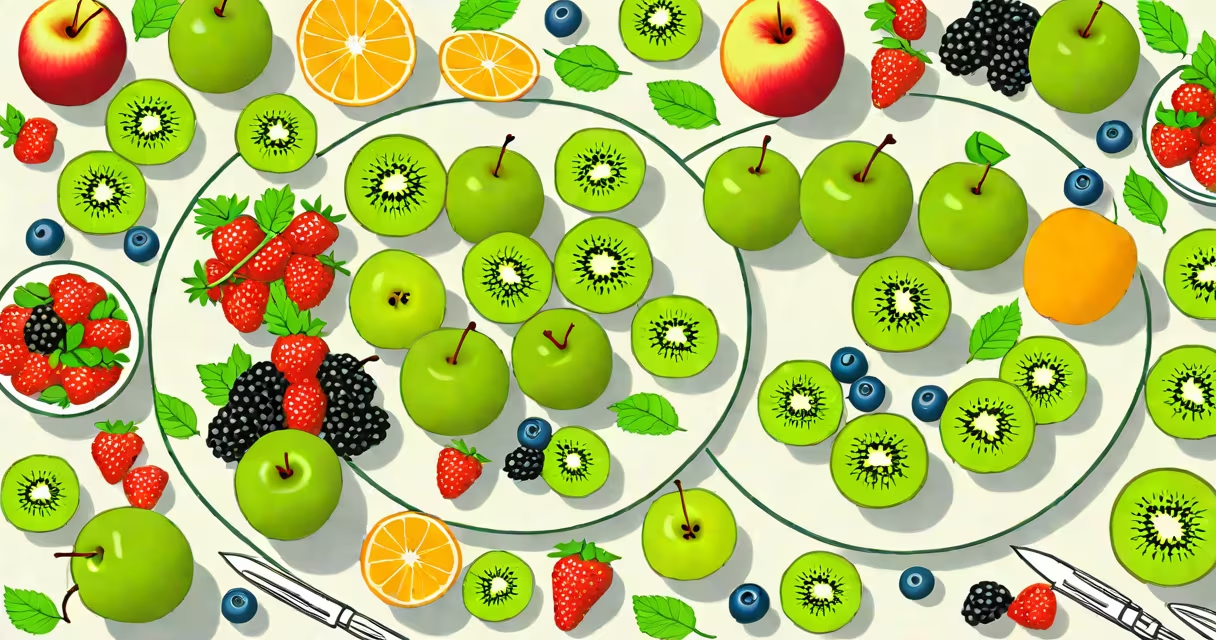
Fruits for intermittent fasting are low-glycemic, nutrient-dense options that fit within the eating window without disrupting metabolic benefits like fat burning and insulin sensitivity. They provide fiber, vitamins, and natural sugars in moderation.
Intermittent fasting cycles between periods of eating and fasting. During the fasting phase, no food is consumed. Fruits are not eaten during this time. Instead, they are reserved for the eating window-typically a 6- to 10-hour period each day-where they contribute to daily nutrition without triggering insulin spikes that interfere with fat oxidation.
Choosing the right fruits matters. High-sugar varieties like grapes or mangoes can spike blood glucose and insulin, potentially ending the fasted state. Low-glycemic fruits such as berries, green apples, and kiwi maintain stable energy and support autophagy-the cellular cleanup process enhanced by fasting.
Fruits are consumed during the eating window, not during fasting. Eating them during the fasted state breaks the fast because they contain carbohydrates and calories. The body detects these and shifts from fat-burning mode to glucose metabolism.
For example, a 16:8 intermittent fasting schedule involves 16 hours without food and an 8-hour eating window. A person might eat a green apple and a handful of blueberries at lunch. This provides 15 grams of carbohydrates and 4 grams of fiber-minimal impact on insulin compared to higher-sugar alternatives.
Research shows that consuming whole fruits during the eating window supports weight loss and metabolic health. A 2020 study published in BMJ Open found that participants who ate whole fruits daily during their eating windows had better insulin sensitivity and lower visceral fat than those who skipped them entirely.
Not all fruits are equal for intermittent fasting. Focus on low-glycemic index (GI) fruits under 55. These release sugar slowly and avoid insulin surges.
| Fruit | Glycemic Index (GI) | Sugar (g) per 100g | Fiber (g) per 100g |
|---|---|---|---|
| Blueberries | 53 | 9.9 | 2.4 |
| Green apple | 38 | 10.4 | 2.4 |
| Kiwi | 50 | 9.0 | 3.0 |
| Strawberries | 40 | 7.7 | 2.0 |
| Papaya | 55 | 11.8 | 1.5 |
These values come from the USDA FoodData Central database and the International Table of Glycemic Index and Glycemic Load Values (2023).
High-GI fruits like watermelon (72), pineapple (66), and bananas (51) are less ideal. Even though bananas are often seen as healthy, their GI is high enough to cause rapid glucose release. Consuming them during the eating window may blunt the metabolic benefits of fasting.
A common mistake is treating fruit as a snack during the fast. Some people believe "natural sugar" doesn't count. But insulin responds to carbohydrate load, not source. A banana contains 23 grams of carbs-enough to break a fast and halt ketone production.
One widespread error is assuming all fruit is safe during fasting. This is false. Fruit juice, even 100% pure, contains concentrated sugars and lacks fiber. Drinking orange juice during a fast raises blood glucose faster than eating a whole orange.
Another myth is that fruit can be eaten freely during the eating window. While fruits are nutritious, overconsumption leads to excess calorie intake. A single large mango contains 45 grams of sugar-over half the recommended daily limit for added sugars.
Here's a real-world example: Sarah follows a 16:8 routine. She eats breakfast at 10 a.m. Her meal includes scrambled eggs, avocado, and a small green apple. The apple contributes 15 grams of carbs and 3 grams of fiber. Blood glucose remains stable. Insulin stays low. Fat oxidation continues.
Had she eaten a large serving of mango instead, her blood glucose would have spiked. Insulin would rise. The fasted state would end prematurely. Metabolic flexibility diminishes.
Time fruit consumption to align with energy needs. Eating fruit early in the eating window helps prevent late-day cravings. Pairing fruit with protein or healthy fats slows digestion and reduces glycemic response.
For example, a slice of green apple with almond butter (1 tbsp = 9 grams of fat, 3 grams of protein) lowers the effective GI of the meal. The fat and protein slow gastric emptying, preventing blood sugar spikes.
Portion control is critical. Stick to one medium-sized fruit or 1 cup of berries per meal. Overeating fruit-even healthy fruit-can lead to excess calorie intake and hinder weight loss goals.
When choosing fruits, prioritize whole forms over juices or dried versions. Dried fruit concentrates sugar. One ounce of raisins contains 23 grams of sugar-equivalent to a full cup of fresh grapes.
Fruits for intermittent fasting are not a free pass. They must be chosen carefully, portioned correctly, and eaten at the right time. The goal is metabolic benefit-not just eating something "natural."