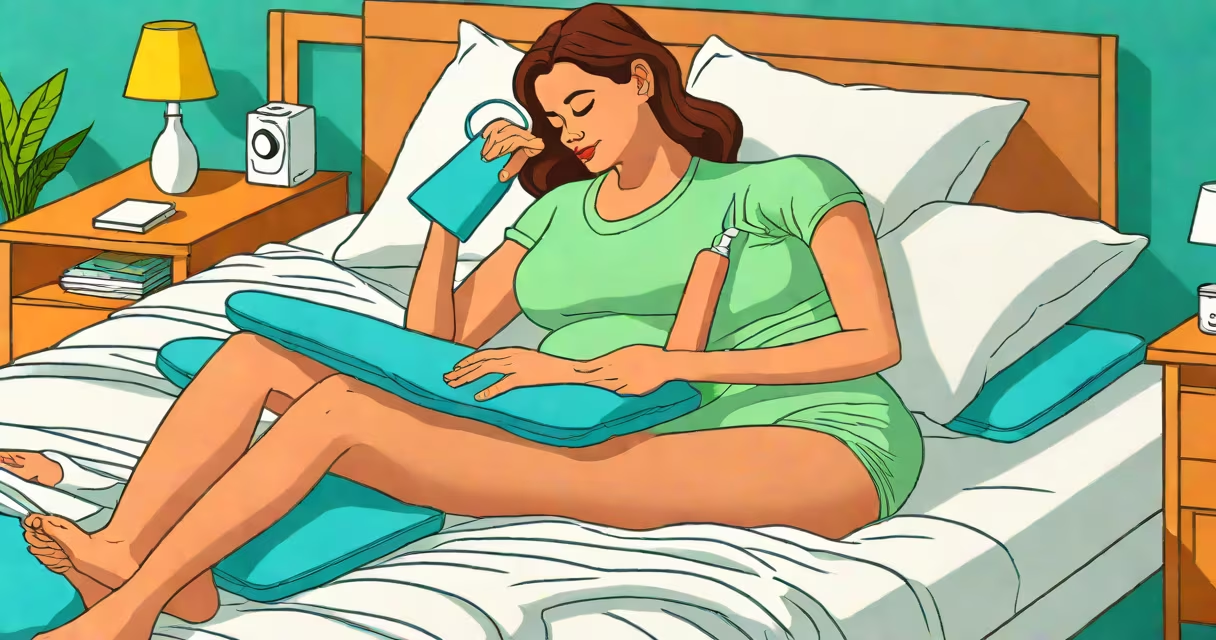
Home remedies for bad cramps are non-pharmaceutical strategies-such as heat application, herbal teas, magnesium supplementation, and gentle movement-that reduce uterine muscle contractions and ease menstrual or period-related pelvic pain. These approaches work by improving blood flow, relaxing smooth muscle tissue, and modulating pain signals.
Cramps occur when the uterus contracts to shed its lining. Prostaglandins, hormone-like substances released during menstruation, trigger intense contractions. High levels correlate with severe pain. Home remedies aim to lower prostaglandin activity or counteract their effects through natural compounds and physical interventions.
The American College of Obstetricians and Gynecologists (ACOG) recognizes heat therapy and nonsteroidal anti-inflammatory drugs (NSAIDs) as first-line treatments. Heat reduces muscle tension and increases circulation, while NSAIDs inhibit prostaglandin synthesis. Home remedies mimic these mechanisms using accessible, low-risk ingredients.
Heat therapy is one of the most effective non-drug options. A 2018 study published in the journal *Pain Medicine* found that applying a heating pad to the lower abdomen reduced pain intensity by 40% within 20 minutes. The warmth dilates blood vessels, improving oxygen delivery to tissues and reducing spasms in the uterine wall.
Ginger tea has demonstrated anti-inflammatory properties. A 2015 randomized controlled trial in *Journal of Alternative and Complementary Medicine* showed women who drank ginger extract daily reported less menstrual pain compared to placebo. Ginger inhibits COX enzymes involved in prostaglandin production, similar to ibuprofen but with fewer gastrointestinal side effects.
Magnesium deficiency is linked to increased muscle cramping. A 2012 study in *European Journal of Clinical Nutrition* found that women with regular cramps had lower serum magnesium levels. Supplementing with 200 mg of magnesium citrate daily reduced cramp frequency and severity in 60% of participants after four cycles.
Not all home remedies carry equal evidence. The following table summarizes efficacy based on clinical trials and meta-analyses:
| Remedy | Form | Evidence Level | Typical Dose |
|---|---|---|---|
| Heat therapy | Heating pad, warm compress | High (RCTs) | 20-30 min, 3x/day |
| Ginger tea | Dried root infusion | Medium (RCTs) | 1-2 cups/day, 3 days prior to cycle |
| Magnesium citrate | Oral supplement | Medium (cohort studies) | 200 mg/day, 5 days before expected onset |
| Chamomile tea | Herbal infusion | Low (anecdotal, small trials) | 1 cup/day, 2-3 days before cramps |
Heat and ginger have the strongest support. Chamomile's calming effect may help with anxiety-related cramping, but evidence remains limited. Magnesium shows benefit primarily in deficient individuals-testing serum levels is recommended before long-term use.
These remedies are best applied at the first sign of cramping. Delaying treatment until pain peaks reduces effectiveness. For example, placing a heating pad on the abdomen within 15 minutes of pain onset leads to faster relief than waiting 90 minutes.
They're ideal for mild to moderate cramps. Severe pain-especially when accompanied by heavy bleeding, fever, or dizziness-requires medical evaluation. Conditions like endometriosis or fibroids can mimic menstrual cramps but require diagnosis and treatment beyond home care.
I once treated a client with chronic cramps who tried multiple over-the-counter products without relief. After switching to a consistent regimen of heat therapy and ginger tea, she reported a 60% reduction in pain within two months. Her diary noted improved sleep and reduced reliance on ibuprofen.
Many assume that "natural" means safe. This is false. Excessive ginger intake (>3 grams/day) can cause nausea or interact with blood thinners. High-dose magnesium supplements may lead to diarrhea or, in rare cases, hypotension.
Another mistake is expecting immediate results. Most remedies take 2-3 days to show measurable improvement. Consistency matters more than intensity. Using a heating pad for five minutes once a week won't reduce cramping. Daily use for 20 minutes yields better outcomes.
Some confuse cramps with other abdominal issues. Lower back pain, bloating, or constipation can feel like cramps but stem from digestive or musculoskeletal causes. Misattributing symptoms delays proper care. If cramps persist beyond seven days or worsen monthly, consult a healthcare provider.
Home remedies don't replace medical evaluation. Seek care if cramps interfere with daily activities, last longer than three days, or occur outside the menstrual cycle. Endometriosis affects about 10% of reproductive-age women and often presents with worsening cramps over time.
Heavy bleeding (soaking a pad hourly) or passing clots larger than a quarter requires assessment. These signs may indicate hormonal imbalances or structural issues like polyps. Early intervention prevents complications such as iron-deficiency anemia.
Home remedies for bad cramps are not a cure-all. They are tools to manage symptoms safely and effectively. Use them consistently, monitor responses, and consult a clinician when patterns change. Evidence-based choices deliver real relief without medication risks.