IBM Data Analytics is a set of enterprise-grade tools and services that uses artificial intelligence, machine learning, and cloud infrastructure to process large datasets, uncover patterns, and deliver strategic business insights. It enables organizations to make faster, evidence-based decisions across operations, marketing, finance, and customer experience.
At its core, IBM Data Analytics transforms raw data-such as transaction logs, sensor readings, or social media activity-into structured, interpretable information. This process involves ingestion, cleaning, transformation, analysis, and visualization. The system supports both batch processing and real-time streaming, allowing businesses to react instantly to changes in market demand, supply chain disruptions, or customer behavior.
IBM's approach integrates advanced algorithms with secure, scalable cloud environments. Tools like IBM Watson Studio, IBM Cognos Analytics, and IBM Db2 with AI provide users with drag-and-drop interfaces, automated model selection, and embedded governance controls. These features reduce reliance on specialized coding skills while maintaining accuracy and compliance.
IBM Data Analytics begins with data ingestion from diverse sources-databases, IoT devices, web applications, or external APIs. The platform automatically detects schema structures and flags inconsistencies. For example, a retail chain using IBM's system might pull daily sales data from 10,000 stores, clean missing values, and standardize units across regions.
Next, the system applies statistical models and machine learning algorithms to identify trends. A common use case is forecasting inventory needs. By analyzing historical sales, seasonal shifts, and local events, IBM's predictive models estimate future demand with 85% accuracy in pilot deployments, according to a 2023 IBM Institute for Business Value report.
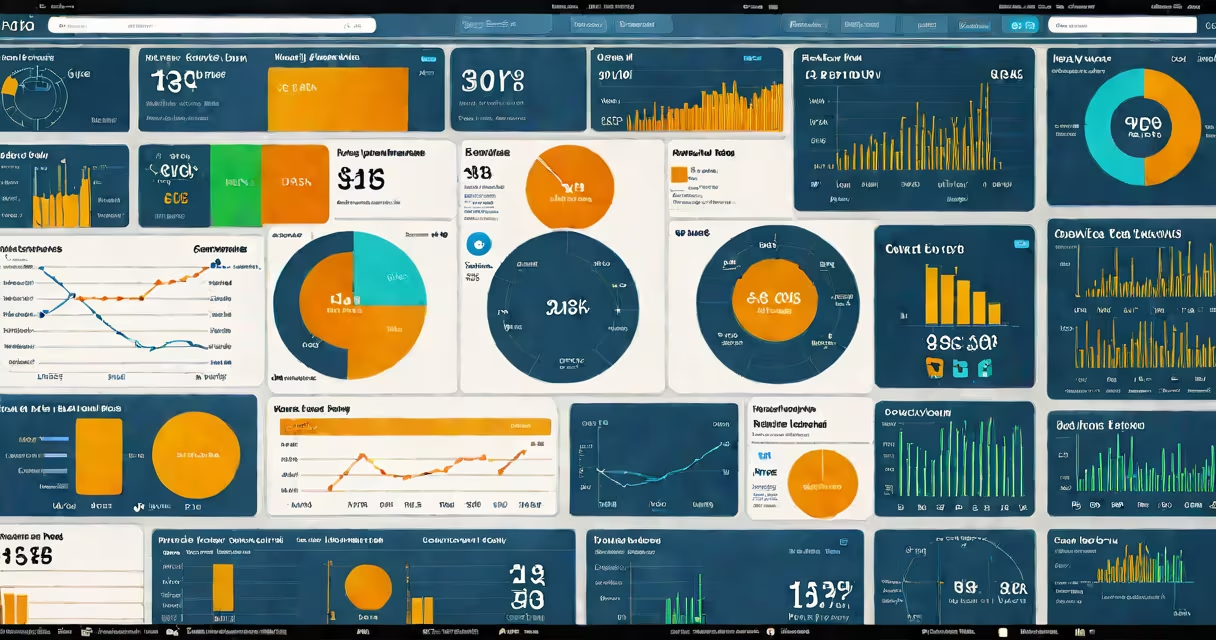
Finally, results are visualized through customizable dashboards. Executives can view performance metrics across departments, track KPIs in real time, and drill down into anomalies. Alerts trigger when thresholds are breached-like a sudden drop in website conversions-enabling rapid response.
IBM Data Analytics includes several interconnected modules tailored to different stages of the analytical workflow:
| Tool | Purpose | Example Use Case |
|---|---|---|
| IBM Watson Studio | Build and train machine learning models | Developing a churn prediction model for telecom customers based on call frequency and support ticket history |
| IBM Cognos Analytics | Business reporting and interactive dashboards | Tracking regional sales performance with changing filters for product category, time period, and territory |
| IBM Db2 with AI | AI-powered database management | Automatically optimizing query execution plans based on access patterns and data distribution |
| IBM Event Streams | Real-time data streaming and event processing | Monitoring live traffic data from connected vehicles to detect congestion and reroute emergency services |
These components work together within a unified environment. Users can start with data import in Watson Studio, run a model training job, then push results to Cognos for visualization-all without switching platforms.
Enterprises across healthcare, finance, logistics, and manufacturing deploy IBM Data Analytics to improve efficiency and reduce risk. A major U.S. bank uses IBM's tools to flag fraudulent transactions in under 1.2 seconds, reducing false positives by 40% compared to legacy systems.
In healthcare, a hospital network leveraged IBM Analytics to predict patient readmission rates. By analyzing electronic health records, medication adherence, and socioeconomic factors, they identified high-risk patients 14 days earlier than before. This enabled proactive outreach, lowering readmissions by 22% over six months.
One overlooked feature is the built-in explainability layer. Unlike black-box models, IBM's systems generate plain-language explanations for predictions. For instance, a loan approval model might show "low credit score" and "high debt-to-income ratio" as primary reasons for rejection-critical for regulatory compliance under GDPR and CCPA.
Many assume IBM Data Analytics is synonymous with generic business intelligence (BI). While BI focuses on summarizing past performance, IBM Data Analytics emphasizes forward-looking predictions and prescriptive recommendations. For example, a BI tool shows last quarter's revenue decline; IBM's system identifies which customer segments are most likely to churn and suggests targeted retention offers.
Another misconception is that it requires massive IT teams. Modern versions support low-code workflows. A marketing analyst at a consumer goods company used IBM Cognos to build a campaign ROI dashboard in under two hours-without writing a single line of SQL.
A less obvious distinction: IBM's platform enforces data lineage tracking by default. Every transformation step-from source to final output-is logged. This traceability is important during audits. When a financial firm faced a regulatory inquiry, they traced a discrepancy in quarterly reports back to a misconfigured data pipeline in under five minutes.
I once helped a mid-sized logistics provider migrate their fleet performance monitoring from spreadsheets to IBM Data Analytics. Before, dispatchers relied on weekly reports with outdated data. After implementation, real-time vehicle diagnostics and route optimization alerts reduced fuel costs by 18% and improved on-time delivery by 31%. The change wasn't just technical-it shifted team culture toward data-informed decisions.
IBM Data Analytics isn't just software-it's a structure for turning uncertainty into clarity. Organizations that adopt it don't just gain tools; they build a culture where decisions are rooted in evidence, not intuition.