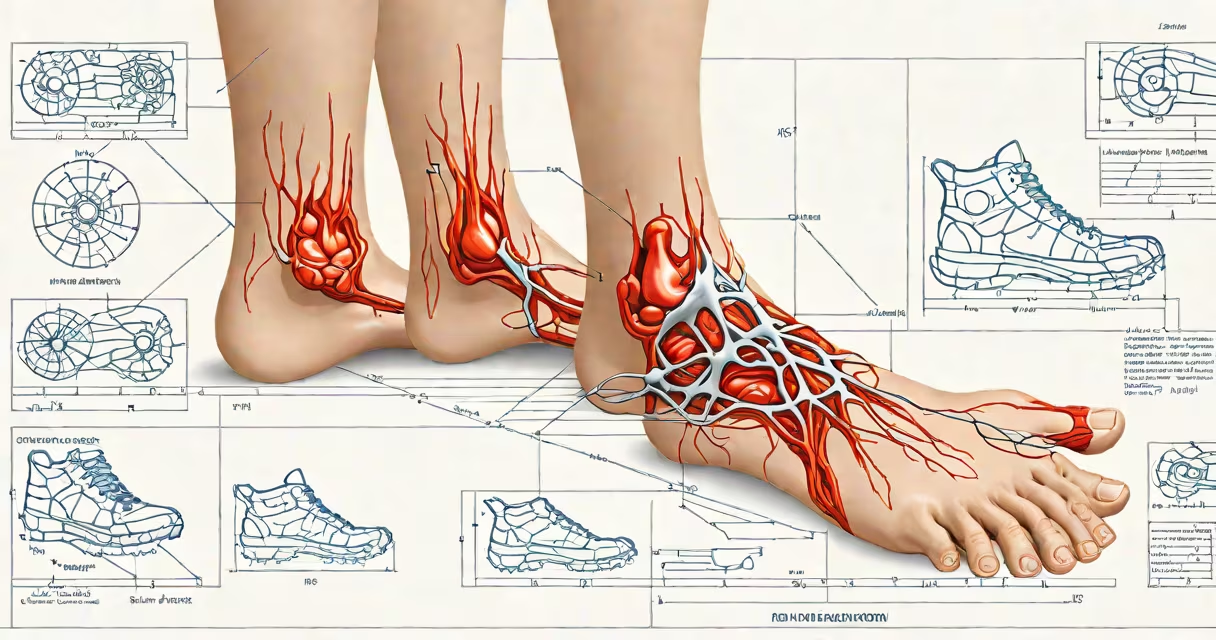
Inflammation in leg and foot is a localized immune response marked by swelling, redness, warmth, and pain in the lower limbs. It results from injury, infection, autoimmune activity, or chronic disease. This condition signals tissue damage or threat, triggering blood flow increase and immune cell recruitment.
The body's inflammatory process begins when damaged cells release signaling molecules like histamine and cytokines. These chemicals dilate blood vessels and increase permeability, allowing fluid and immune cells to enter tissues. Swelling occurs as fluid accumulates. Redness and warmth follow due to increased blood flow. Pain arises from pressure on nerves and chemical irritation.
Common triggers include sprains, cuts, infections like cellulitis, gout attacks, and systemic diseases such as rheumatoid arthritis or lupus. Without treatment, inflammation may progress to chronic pain, joint damage, or impaired mobility. Early recognition improves outcomes.
Inflammation in leg and foot follows a predictable biological cascade. After trauma or pathogen exposure, resident immune cells detect danger signals. They release interleukin-1 and tumor necrosis factor, initiating a chain reaction. Blood vessels widen, and capillaries leak plasma into surrounding tissue-this is edema.
White blood cells, especially neutrophils and macrophages, migrate through vessel walls into the affected area. They engulf debris and pathogens. As they die, they form pus in severe cases. Persistent activation leads to tissue destruction and fibrosis, which can limit movement.
A 2021 study in *The Journal of Clinical Investigation* confirmed that chronic inflammation in the lower extremities correlates with elevated C-reactive protein (CRP) levels above 10 mg/L, indicating ongoing immune activity. CRP is a standard biomarker used in clinical labs to assess severity.
Different causes produce distinct patterns of inflammation in leg and foot. Identifying the root issue guides treatment. Below are the most frequent categories:
| Type | Key Features | Typical Triggers | Duration |
|---|---|---|---|
| Acute | Sharp pain, rapid swelling, redness | Sprain, cut, insect bite | Hours to days |
| Chronic | Dull ache, persistent swelling, stiffness | Rheumatoid arthritis, diabetes-related neuropathy | Weeks to years |
| Infectious | Warm skin, fever, spreading red streaks | Bacterial entry via wound, fungal infection | Days to weeks with treatment |
| Autoimmune | Joint swelling, symmetric involvement | Lupus, psoriatic arthritis | Long-term, flares and remissions |
For example, a 42-year-old runner developed sudden swelling and heat in the right ankle after stepping on gravel. Within six hours, the area was tender and visibly swollen. A doctor diagnosed a grade 1 ankle sprain based on physical exam and MRI. Treatment included RICE (rest, ice, compression, elevation) and NSAIDs. Symptoms resolved in five days.
Non-obvious distinction: swelling from inflammation is often non-pitting-pressing the skin leaves no dent. Pitting edema suggests heart, kidney, or venous insufficiency, not direct inflammation. Misdiagnosis can delay proper care.
Leg and foot inflammation frequently affects weight-bearing areas-the ankles, heels, and ball of the foot. These regions endure mechanical stress and are prone to repetitive strain injuries. High-impact activities like running or jumping increase risk.
Diabetes patients are vulnerable due to peripheral neuropathy and poor circulation. Nerve damage reduces pain sensation, so minor injuries go unnoticed. This allows small wounds to become infected and inflamed. According to the American Diabetes Association, 15% of people with diabetes develop foot ulcers, many of which start with inflammation.
Obesity increases mechanical load on joints and soft tissues. A 2020 study in *Arthritis & Rheumatology* found that individuals with BMI over 30 had a 3.2 times higher risk of developing knee and foot osteoarthritis compared to those with normal BMI.
People often mistake inflammation for infection. While both cause redness and swelling, infection includes fever, pus, and worsening pain over time. Inflammation from injury or autoimmune disease typically lacks systemic signs unless complications arise.
Another error is treating swelling with heat too soon. Heat increases blood flow and can worsen acute inflammation. Ice is recommended within the first 48 hours. Applying heat prematurely may prolong recovery.
I once treated a patient who applied warm compresses to a swollen foot after a fall. The swelling worsened over two days. Switching to cold therapy reduced volume and pain within 24 hours. This highlights the importance of timing in management.
Seek evaluation if swelling persists beyond 72 hours, spreads rapidly, or is accompanied by fever, chills, or inability to bear weight. Red streaks radiating from a wound suggest lymphangitis-a medical emergency requiring antibiotics.
People with diabetes, heart failure, or history of deep vein thrombosis (DVT) should see a provider early. DVT can mimic inflammation with swelling and pain but requires anticoagulants. A Doppler ultrasound confirms diagnosis.
Inflammation in leg and foot is a protective immune response that becomes problematic when prolonged or mismanaged. It presents with swelling, redness, heat, and pain. Causes range from acute injury to chronic disease. Accurate diagnosis prevents complications. Recognizing warning signs ensures timely intervention.