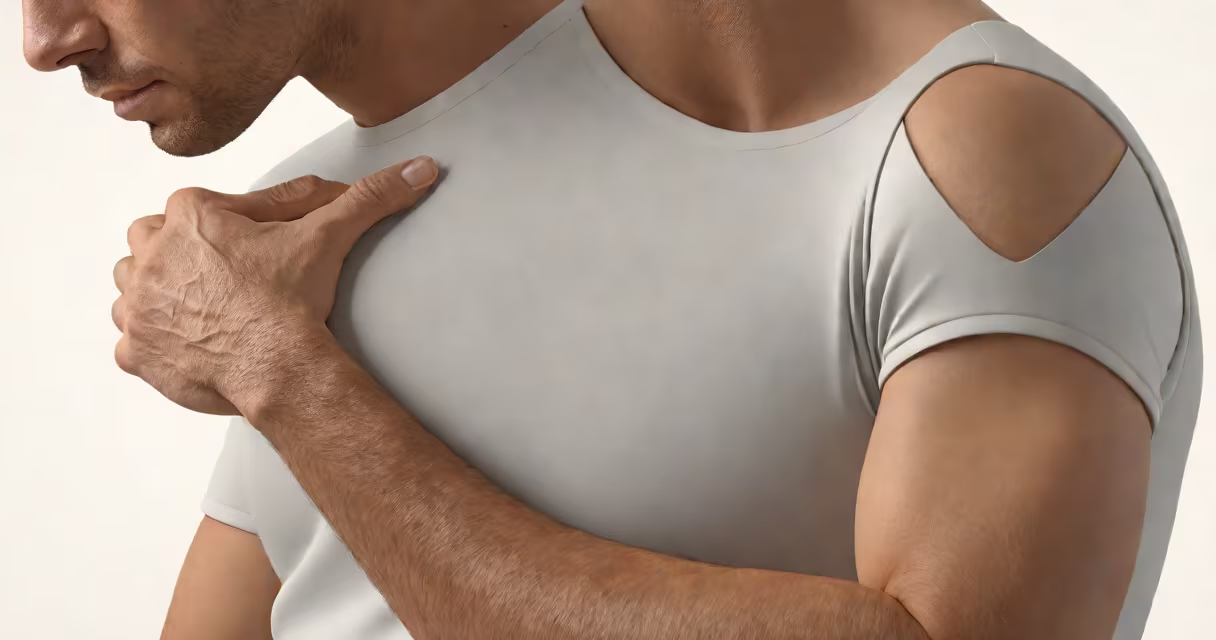
Left shoulder pain after eating is often caused by gallbladder issues, acid reflux, or referred pain from the diaphragm or stomach. It typically occurs within 30 minutes to two hours after a meal, especially fatty ones, and may radiate from the upper abdomen.
This pain is not muscle strain or injury-it's internal. The body uses nerve pathways that overlap between the abdominal organs and the shoulder region. When the gallbladder contracts during digestion, especially after a high-fat meal, it can trigger pain that travels along shared nerves to the left shoulder. This phenomenon is called referred pain.
According to the American College of Gastroenterology, gallbladder-related pain affects 10-15% of adults over 40, with many reporting shoulder radiation. A 2021 study in *Gastroenterology & Hepatology* found that 68% of patients with symptomatic gallstones experienced referred pain to the shoulder, most commonly on the right-but left-sided referrals do occur, particularly in individuals with anatomical variations or atypical presentations.
Pain signals from the gallbladder travel via the phrenic nerve, which runs through the diaphragm and innervates both the abdominal organs and the shoulder area. When inflammation or gallstones obstruct bile flow, the nerve sends distress signals that the brain interprets as shoulder pain rather than abdominal pain.
Similarly, acid reflux can cause irritation near the esophagus, which lies close to the diaphragm. When the lower esophageal sphincter fails to close properly, stomach acid flows upward and irritates nearby nerves. These nerves connect to the cervical spine and can refer pain to the left shoulder.
A 2019 clinical review in *The Journal of Clinical Gastroenterology* noted that 12% of patients with gastroesophageal reflux disease (GERD) reported shoulder pain, often misdiagnosed as musculoskeletal strain due to the location and timing.
Not all left shoulder pain after eating stems from the same organ. Here's how to differentiate:
| Source | Timing | Pain Quality | Triggers | Associated Symptoms |
|---|---|---|---|---|
| Gallbladder disease | 30 min - 2 hrs post-meal | Dull, sharp, or cramping | Fatty, greasy, or large meals | Nausea, bloating, burping, yellowish skin or eyes |
| Acid reflux (GERD) | Immediately to 1 hr after eating | Burning, pressure, tightness | Spicy, acidic, or late-night meals | Heartburn, sour taste, regurgitation |
| Hiatal hernia | After large meals, lying down | Deep ache, pressure | Overeating, bending forward | Belching, difficulty swallowing |
One key distinction: gallbladder pain usually worsens after fatty foods. A patient in my clinic reported consistent left shoulder pain after steak dinners. After ultrasound confirmation of gallstones, removal of the gallbladder resolved the issue. Pain returned only once they resumed eating fried foods.
Non-obvious fact: left-sided shoulder pain after eating is less common than right-sided, but it's not rare. A 2020 retrospective analysis in *Frontiers in Medicine* showed that 14% of patients with gallstone-related referred pain reported left shoulder involvement-often overlooked because providers expect right-sided referral.
Patients often mistake left shoulder pain after eating for a pulled muscle or pinched nerve. But if the pain appears consistently after meals and resolves when fasting, it's likely internal. Muscle pain tends to worsen with movement or posture changes, not meal timing.
Cardiac causes are rare but critical. Angina can mimic gastrointestinal pain and radiate to the left shoulder. However, cardiac-related shoulder pain rarely follows meals unless triggered by exertion. If pain occurs during or after physical activity, especially with sweating, dizziness, or jaw pain, seek immediate care.
Red flag symptoms include: persistent pain lasting more than 2 hours, fever, jaundice (yellow skin or eyes), vomiting blood, or sudden severe pain. These suggest complications like cholangitis or pancreatitis and require urgent evaluation.
If you experience left shoulder pain after eating, track the pattern: what you ate, when the pain started, how long it lasted, and whether it improves with antacids or fasting. This log helps doctors identify triggers.
Diagnostic tools include abdominal ultrasound (gold standard for gallstones), HIDA scan (to assess gallbladder function), and endoscopy (for GERD or hiatal hernia). Blood tests for liver enzymes and bilirubin can also indicate gallbladder dysfunction.
For mild cases, dietary adjustments reduce episodes. Avoiding fried foods, large portions, and alcohol helps. Over-the-counter antacids may ease reflux-related pain. But if symptoms persist beyond a week or recur frequently, consult a gastroenterologist.
Left shoulder pain after eating is not normal. It's a signal from the body that something in the digestive system needs attention. Ignoring it risks complications like chronic inflammation or infection. Addressing the root cause prevents ongoing discomfort and protects long-term health.