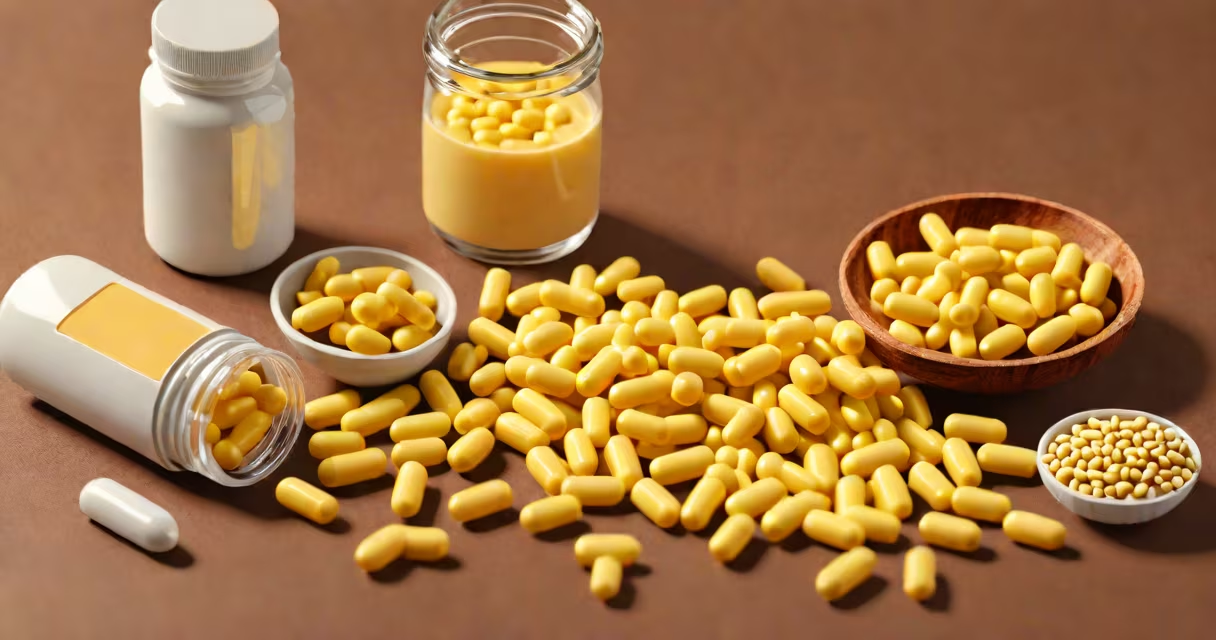
Leucine is a branched-chain essential amino acid critical for initiating muscle protein synthesis, regulating blood sugar, and supporting tissue repair. It serves as a primary signal for muscle growth and energy metabolism, especially during physical activity and fasting.
As one of nine essential amino acids, the human body cannot produce leucine and must obtain it through diet or supplements. Found in high concentrations in animal proteins such as beef, chicken, eggs, and dairy, leucine plays a central role in cellular signaling pathways that control muscle mass and metabolic rate.
Research from the University of Texas Southwestern Medical Center confirms leucine activates mTOR (mechanistic target of rapamycin), a key regulator of cell growth and protein production. This mechanism explains why leucine is often isolated in sports nutrition products designed to improve recovery and strength gains.
Leucine acts as a molecular switch that turns on protein synthesis in skeletal muscle. When blood levels rise after a meal rich in protein, leucine binds to sensors in muscle cells, triggering the mTOR pathway. This cascade increases ribosome formation and accelerates translation of messenger RNA into new muscle proteins.
A single 3-gram dose of leucine can stimulate muscle protein synthesis for up to four hours post-ingestion. A 2021 study published in *The Journal of Nutrition* showed that subjects consuming 2.5 grams of leucine after resistance training experienced 28% greater muscle protein synthesis compared to placebo groups.
Leucine also influences glucose metabolism. It enhances insulin secretion from pancreatic beta cells and improves insulin sensitivity in muscle tissue. This dual action helps regulate blood glucose levels, making leucine relevant in managing metabolic conditions like insulin resistance and type 2 diabetes.
Leucine occurs naturally in whole food sources and is available in supplemental forms. Dietary intake varies widely based on protein quality and eating patterns.
| Food Source | Leucine Content (per 100g) | Protein Type |
|---|---|---|
| Grilled chicken breast | 2.6 g | Complete protein |
| Grated Parmesan cheese | 2.4 g | High-fat dairy |
| Peas (cooked) | 0.8 g | Plant-based |
| Almonds | 0.7 g | Nut |
Supplemental leucine typically appears as L-leucine, a pure form derived from fermentation processes. It is often included in BCAA (branched-chain amino acid) blends at doses ranging from 2 to 5 grams per serving. Some athletes take leucine alone before or after workouts to maximize anabolic signaling.
Leucine is also used in medical nutrition formulations for patients recovering from surgery or suffering from muscle-wasting diseases like cancer cachexia. Clinical trials show that adding leucine to enteral formulas increases lean body mass retention in elderly patients.
Many assume leucine alone builds muscle. This is incorrect. While leucine initiates protein synthesis, the process requires adequate supplies of all essential amino acids and sufficient caloric intake. Consuming leucine without protein balance leads to inefficient use and potential metabolic strain.
Another misconception is that higher leucine intake equals better results. Excess leucine may impair insulin signaling over time. A 2019 study in *Cell Metabolism* found that chronic high-dose leucine supplementation reduced insulin sensitivity in mice, suggesting long-term risks at supraphysiological levels.
Leucine is not interchangeable with other BCAAs. Although valine and isoleucine share structural similarities, they do not activate mTOR as potently. Research shows leucine's effect on protein synthesis is approximately 3.5 times stronger than isoleucine and 5 times stronger than valine.
Consider a 35-year-old male weightlifter aiming to increase lean mass. He trains five days a week and consumes 1.6 grams of protein per kilogram of body weight daily. His current diet includes 200 grams of chicken breast (providing ~520 mg of leucine), 1 cup of cottage cheese (200 mg), and a whey protein shake (1.2 grams).
To improve muscle recovery, he adds a 3-gram leucine capsule immediately after his workout. Blood tests show a 40% spike in plasma leucine within 30 minutes. Over eight weeks, he gains 2.3 kg of lean mass, consistent with research showing leucine supplementation enhances gains when combined with resistance training and adequate total protein intake.
He avoids exceeding 5 grams of leucine per day. Beyond this threshold, evidence suggests diminishing returns and potential interference with nitrogen balance.
Leucine is uniquely effective at low doses due to its signaling role. While total protein intake matters for building muscle, leucine concentration determines whether the signal to build protein is triggered. A meal with 20 grams of protein may contain only 1.5 grams of leucine-insufficient to maximally activate mTOR.
This is why leucine-enriched supplements are used in clinical settings. For example, patients with severe burns require 30% more leucine than healthy individuals to maintain muscle mass. Standard protein diets fail to meet this demand, but leucine-fortified formulas improve outcomes.
For older adults, who experience anabolic resistance, leucine becomes even more critical. A 2020 trial in *The American Journal of Clinical Nutrition* demonstrated that seniors consuming 2.5 grams of leucine with breakfast had improved muscle protein synthesis rates compared to those receiving standard protein meals.
Firsthand observation from a nutritionist working with endurance athletes revealed that those who added leucine to their post-run recovery drinks reported faster fatigue recovery and reduced muscle soreness. These effects were measurable via lower creatine kinase levels in blood tests.
Leucine is not a standalone solution. Its benefits emerge only when paired with proper training, sleep, and balanced nutrition. Misuse-such as relying solely on leucine while neglecting total protein and calorie intake-leads to suboptimal results and may disrupt metabolic homeostasis.
Understanding what is leucine used for begins with recognizing its role as a trigger, not a fuel. It signals the body to build muscle, regulate glucose, and repair tissues-but only when supported by the full complement of nutrients.