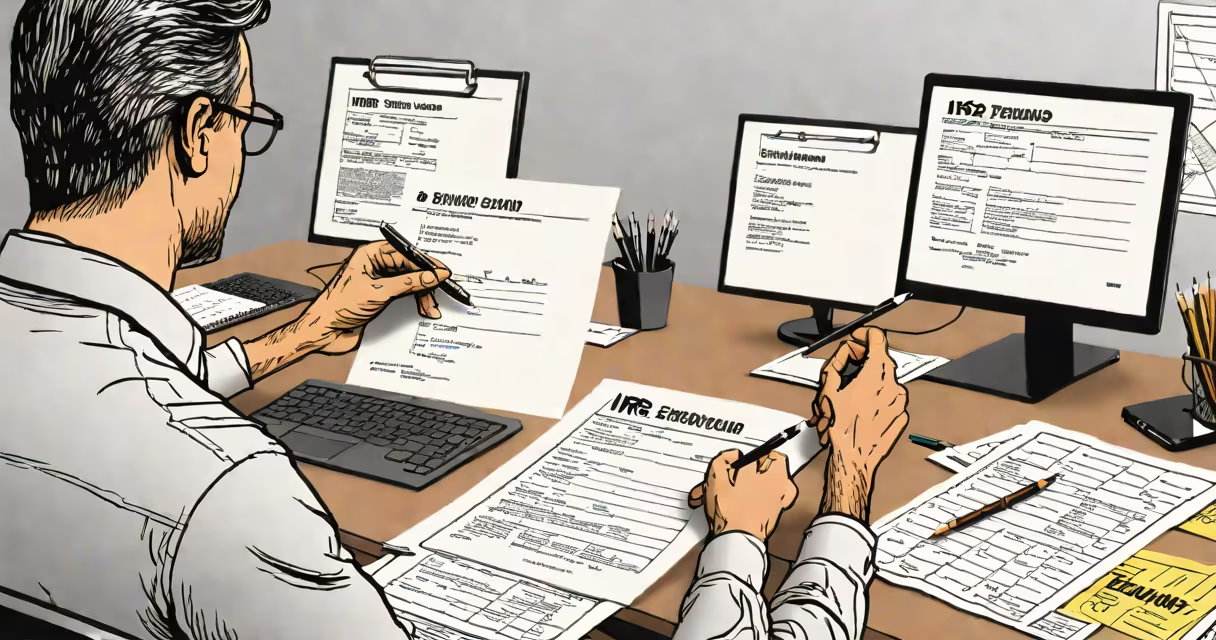
The IRS typically issues refunds within 21 days after e-filing with direct deposit, or six to eight weeks after mailing a paper return. Refund timing depends on filing method, accuracy of information, and whether additional review is needed.
Refunds are processed in the order returns are received. Early filers who choose direct deposit often receive refunds faster than those using paper checks. The IRS uses the IRS Data Retrieval Tool (DRT) to verify income and reduce errors, which speeds up processing.
For most taxpayers, the IRS sends refunds between January 1 and April 15, depending on when the return was filed. Refunds are issued on business days only. Weekends and holidays delay disbursement. The IRS does not guarantee specific dates, but provides estimated timelines through the "Where's My Refund?" tool.
After you file your return, the IRS validates your identity, checks for errors, and confirms eligibility for refundable credits like the Earned Income Tax Credit (EITC) or Additional Child Tax Credit (ACTC). These checks take longer for certain returns.
Once validated, the IRS applies your refund amount to your account. Direct deposits are sent via ACH to your bank within 21 days of e-filing. Paper checks are mailed and may take up to five additional business days to arrive after the electronic transfer.
The IRS processes over 160 million returns annually. In 2023, 90% of e-filed returns with direct deposit were refunded within 21 days. Paper returns averaged 45 days due to manual handling and postal delays.
Common reasons for delays include math errors, missing signatures, incorrect SSNs, or mismatched W-2 forms. The IRS flags these issues for correction or verification, adding days to processing.
Claims for the EITC or ACTC trigger extra scrutiny. In 2023, 40% of EITC claims took 45 days or longer because the IRS cross-checks against payroll records and state databases. The IRS does not issue refunds until all validation steps complete.
Refunds can also be delayed if the IRS suspects identity theft. If your return is flagged, you'll receive a letter requesting documentation. Resolving this can extend processing by several weeks.
Use the IRS "Where's My Refund?" tool at irs.gov/refunds. Enter your Social Security number, filing status, and exact refund amount. The tool updates daily and shows your return's current stage.
After 24 hours, the tool displays "Return Received." After 3-5 days, it says "Refund Approved." Once approved, the system shows the expected deposit date. For direct deposit, this is usually within 21 days of e-filing.
If the tool shows "Refund Sent," the IRS has issued the payment. For direct deposit, funds appear in your account within 1-3 business days. Paper checks take 7-14 days to arrive after mailing.
| Filing Method | Average Processing Time | Direct Deposit Timing | Paper Check Timing |
|---|---|---|---|
| E-file with direct deposit | 21 days | Within 21 days | N/A |
| E-file with paper check | 21-28 days | N/A | 7-14 days after mailing |
| Mail paper return | 6-8 weeks | N/A | 7-14 days after mailing |
| E-file with EITC/ACTC | 45+ days | Within 45 days | N/A |
Many assume the IRS sends refunds on the same day every year. This is false. The IRS does not follow a fixed calendar. Refund timing varies by filing window, volume, and system load.
Another myth is that the IRS issues refunds faster in February. While early filers get quicker results, the IRS processes returns in chronological order. Late January filers may wait longer than early February ones.
A less known fact: the IRS does not send refunds on weekends or federal holidays. If your refund is scheduled for a Saturday, it will be issued on the next business day. This affects direct deposit timing, especially near holiday periods.
In 2023, a taxpayer named Maria filed her 2022 return on January 12 using e-file with direct deposit. She entered her correct SSN, claimed the EITC, and used the DRT to pull income data.
On January 14, the IRS confirmed receipt. By January 18, the status changed to "Refund Approved." The system showed a deposit date of January 25. On January 25, Maria's bank reported the deposit.
Had she mailed a paper return, the process would have taken 45 days. Her refund would have arrived in late February. The DRT reduced her processing time by 30 days compared to manual entry.
If your refund hasn't arrived within 21 days of e-filing, check the "Where's My Refund?" tool. If it shows "Refund Sent" but you haven't received funds, contact your bank. Delays can occur due to routing errors or account holds.
If the tool shows "Refund Approved" but no deposit date appears, wait 72 hours. The system updates daily. If still unresolved, call the IRS at 1-800-829-1040. Have your return details ready.
For paper checks, the IRS mails them 7-14 days after approval. If you don't receive one within 30 days of the expected date, file Form 3903 to request a replacement.
Most e-filed returns with direct deposit are processed within 21 days. Paper returns take longer. Claims for EITC or ACTC require extra review and delay refunds. Always use the IRS "Where's My Refund?" tool to track progress.
Refunds are not issued on weekends or holidays. The IRS does not provide guaranteed dates. If you suspect fraud, contact the IRS Identity Protection Specialized Unit at 1-800-908-4490.