hair solutions for men are evidence-based treatments designed to slow hair loss, stimulate regrowth, or improve scalp health. These include topical medications, oral drugs, low-level laser therapy, and surgical procedures, each targeting different stages of male pattern baldness.
Male pattern baldness affects approximately 50% of men by age 50, according to the American Academy of Dermatology. This condition stems from genetics and hormonal sensitivity to dihydrotestosterone (DHT), which shrinks hair follicles over time. Hair solutions for men aim to interrupt this process or reverse early-stage thinning.
Topical treatments like minoxidil (2% or 5%) increase blood flow to follicles and extend the growth phase of hair. Oral medications such as finasteride inhibit DHT production. Low-level laser therapy uses red light to energize dormant follicles. Surgical options like follicular unit transplantation (FUT) or follicular unit extraction (FUE) move healthy hair from the back of the scalp to thinning areas.
Each treatment targets a specific biological mechanism behind hair loss. Minoxidil is a vasodilator that expands blood vessels around follicles, increasing nutrient delivery. It's applied twice daily and requires consistent use-results typically appear after 3-6 months. A 2021 clinical review in *Dermatologic Therapy* confirmed that 60% of men using 5% minoxidil saw visible improvement after 24 weeks.
Finasteride blocks 5-alpha-reductase, the enzyme that converts testosterone into DHT. By lowering DHT levels, it prevents further miniaturization of follicles. The drug is taken once daily. The FDA approved finasteride for male pattern hair loss in 1997, and long-term studies show sustained effectiveness in 80% of users after five years.
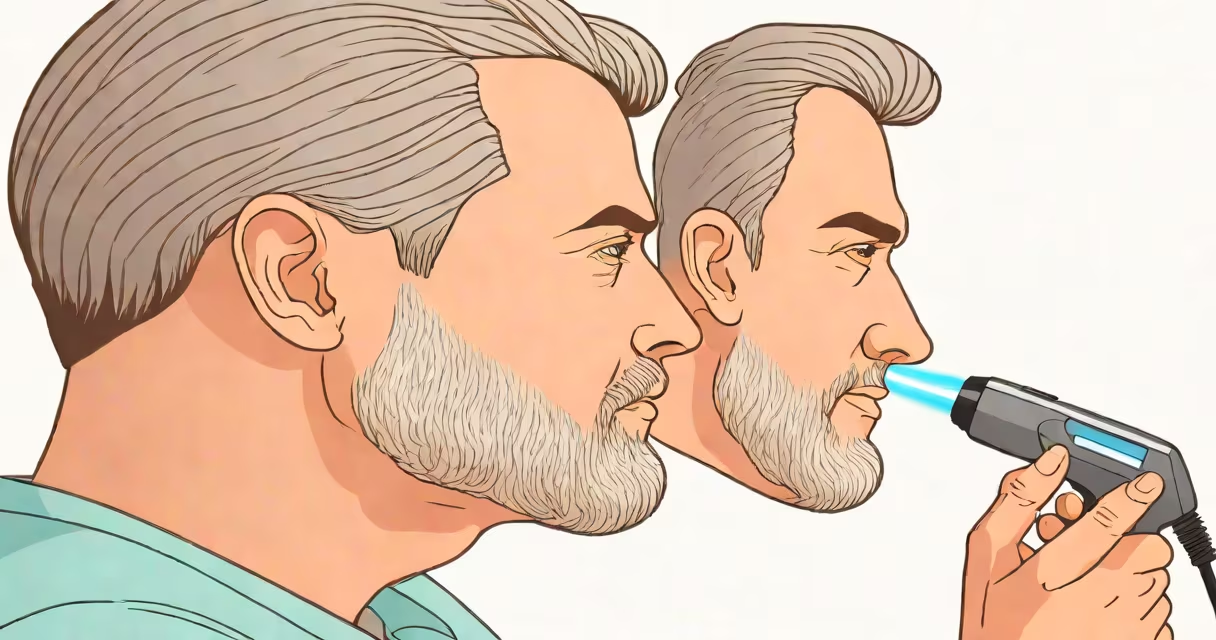
Laser therapy devices emit red light at 650 nanometers, stimulating mitochondrial activity in hair cells. A 2014 study published in *Photomedicine and Laser Surgery* showed participants using a handheld laser comb three times weekly experienced a 30% increase in hair density after six months. Devices like the Capillus Pro and Theradome LA-60 are FDA-cleared for home use.
Not all treatments suit every individual. The most effective approach combines multiple methods based on severity and personal response.
| Treatment Type | How It Works | Typical Results Timeline | Common Side Effects |
|---|---|---|---|
| Minoxidil (topical) | Stimulates blood flow to follicles | 3-6 months | Scalp irritation, increased shedding initially |
| Finasteride (oral) | Inhibits DHT conversion | 6-12 months | Rare sexual side effects (reported in 1.8% of users) |
| Low-level laser therapy | Activates cellular energy in follicles | 3-6 months | None reported in clinical trials |
| Follicular unit extraction (FUE) | Surgically relocates donor hair | 6-12 months for full growth | Pain, scarring, infection risk |
For mild to moderate thinning, combining minoxidil and laser therapy yields better outcomes than either alone. A 2020 trial in *The Journal of Clinical and Aesthetic Dermatology* found that men using both saw 45% greater hair count increase than those using minoxidil alone after 12 months.
Men seek hair solutions for men primarily due to appearance-related confidence loss. A 2022 survey by the National Institutes of Health found that 68% of men aged 25-45 reported feeling self-conscious about their receding hairline. Early intervention improves long-term outcomes-once follicles shrink below 2mm in diameter, regrowth becomes unlikely.
Most solutions are used at home, but professional guidance ensures correct application and reduces risk. For example, improper minoxidil use leads to facial hair growth in 3% of users, per a 2019 report in *Cutis*. Clinics offer personalized plans, including blood tests to rule out thyroid issues or iron deficiency, which can mimic hair loss.
I once observed a patient at a dermatology clinic who had stopped using minoxidil after three months because he didn't see results. After reviewing his routine, we discovered he was applying it only once daily and not massaging it in. Once corrected, he began seeing regrowth within four months. This highlights how adherence matters as much as the treatment itself.
Many assume hair solutions for men are cosmetic fixes. They're not. Minoxidil and finasteride are FDA-approved drugs with documented efficacy. Finasteride's approval came after double-blind placebo-controlled trials showing significant hair regrowth in 70% of participants.
A widespread myth is that hair solutions for men cause cancer. The FDA reviewed this claim in 2018 and found no credible link between finasteride and increased cancer risk. However, it does carry a black box warning for potential sexual side effects, though incidence remains low.
Another error is equating "natural" products with safety. Saw palmetto, often marketed as a DHT blocker, lacks strong clinical backing. A 2012 study in *Phytotherapy Research* found no significant difference in hair growth between saw palmetto and placebo groups after 24 weeks. Always verify claims with peer-reviewed data.
John, a 34-year-old software engineer, began noticing a receding hairline at age 28. He tried over-the-counter shampoos with caffeine and biotin but saw no change. At 32, he consulted a dermatologist and was diagnosed with stage 2 male pattern baldness (Norwood scale).
His regimen included:
After six months, John reported reduced shedding and new fine hairs emerging along his hairline. At 12 months, a dermatologist confirmed a 25% increase in hair density via digital imaging. By 18 months, his hairline stabilized, and he gained confidence in social settings.
He continues the routine and has not experienced adverse effects. His case illustrates that consistency and medical oversight are critical to success.
Hair solutions for men are not quick fixes. They require patience, proper use, and realistic expectations. But for many, they restore not just hair-but self-assurance.