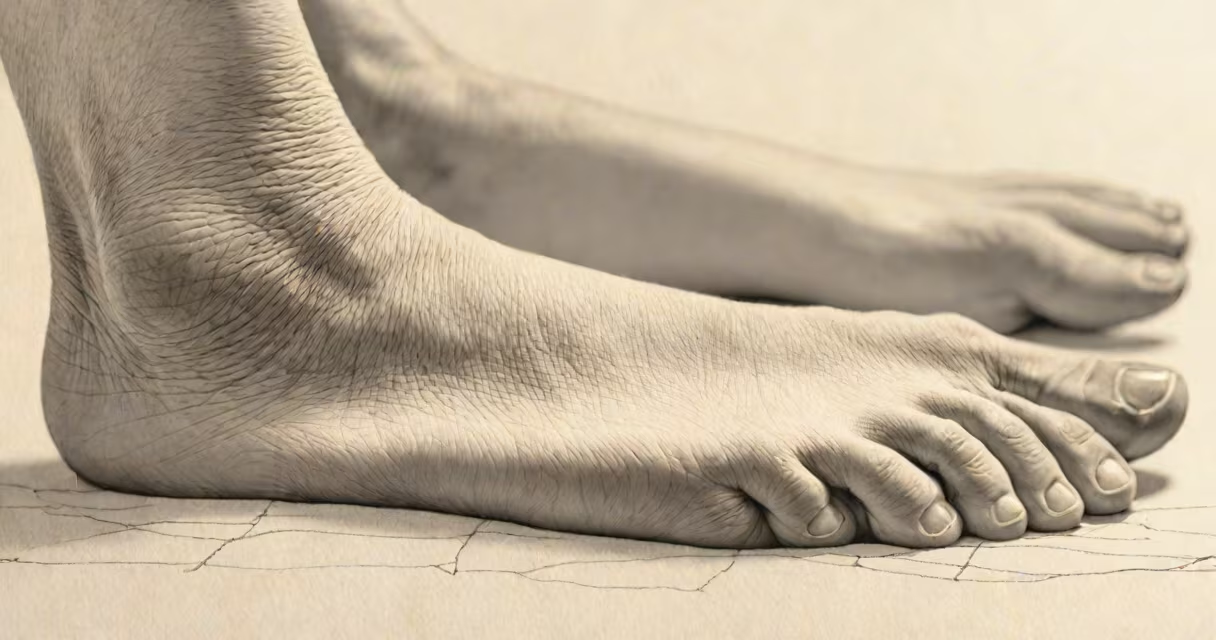
A sore foot pad refers to pain or discomfort in the thickened layer of skin and tissue beneath the ball of the foot, typically caused by excessive pressure, injury, or underlying conditions like plantar fasciitis or metatarsalgia.
The foot pad-also called the plantar fat pad-is a cushion of fatty tissue located under the metatarsal heads, which bear weight during walking and standing. When this area becomes inflamed or compressed, it results in localized pain, tenderness, or a burning sensation. This condition commonly affects people who stand for long periods, wear ill-fitting shoes, or engage in high-impact activities such as running or jumping.
According to the American Podiatric Medical Association (APMA), plantar fasciitis affects approximately 1 in 10 people at some point in life, and while it primarily involves the heel, it can radiate into the forefoot, contributing to a sore foot pad. The Mayo Clinic notes that repetitive stress or sudden increases in activity levels are frequent triggers.
Pain in the foot pad arises when the fat pad is compressed beyond its normal tolerance. This compression reduces blood flow and irritates nerve endings, leading to inflammation and sensitivity. Over time, repeated trauma can cause the fat pad to thin or retract, especially in older adults, increasing vulnerability to pain.
Common mechanical causes include wearing shoes with insufficient arch support or a narrow toe box, which forces the foot to spread unevenly. High heels, for example, shift weight forward onto the forefoot, increasing pressure on the ball of the foot. A study published in *Foot & Ankle International* found that women who regularly wear heels above 2 inches report higher rates of forefoot pain compared to those who wear flats.
Other contributors include biomechanical imbalances such as high arches or flat feet, both of which alter gait patterns and redistribute pressure. Obesity also plays a role-each extra pound adds 3-4 pounds of pressure on the foot during walking, intensifying strain on the fat pad.
While "sore foot pad" describes a symptom, it may stem from several distinct medical issues. Identifying the root cause guides effective treatment.
| Condition | Key Features | Typical Pain Location | Common Triggers |
|---|---|---|---|
| Metatarsalgia | Sharp, aching pain under the ball of the foot; often worsens with activity | First and second metatarsal heads | High-impact exercise, tight footwear, foot deformities |
| Plantar fasciitis | Heel pain that spreads forward; stiffness in morning | Heel and inner forefoot | Overuse, poor footwear, prolonged standing |
| Fat pad atrophy | Thinning of protective fat layer; more common in aging | Center of forefoot | Natural aging, obesity, repetitive impact |
Metatarsalgia is the most frequent diagnosis behind a sore foot pad. It occurs when the metatarsal bones press too hard against the ground during push-off, causing microtrauma to surrounding tissues. The American Academy of Orthopaedic Surgeons (AAOS) reports that runners and dancers are particularly prone due to repetitive loading.
One non-obvious distinction: a sore foot pad is not the same as a stress fracture. While both cause localized pain, a stress fracture involves tiny cracks in bone and typically presents with swelling and tenderness to touch. Imaging is required for confirmation-X-rays or MRI-whereas a sore foot pad usually resolves with rest and shoe modification.
Most cases of sore foot pad improve within days to weeks with conservative measures. However, persistent pain lasting more than two weeks, worsening symptoms, or difficulty bearing weight indicate the need for evaluation.
I experienced this firsthand while training for a half-marathon. After increasing weekly mileage from 15 to 30 miles, I developed sharp pain under the second toe. Rest and switching to shoes with a wider toe box reduced the pain in five days. But when the discomfort returned after resuming running, I consulted a podiatrist. An ultrasound revealed early-stage metatarsalgia, not a fracture. Adjusting my stride and using orthotic inserts resolved it completely.
If pain persists despite rest, proper footwear, and over-the-counter insoles, see a healthcare provider. Diagnostic imaging may be needed to rule out stress fractures, neuromas, or joint degeneration. Early intervention prevents chronic disability.
Effective management begins with reducing pressure on the affected area. Wearing shoes with a wide toe box, adequate cushioning, and firm heel counters helps distribute weight evenly. Avoid walking barefoot on hard surfaces, especially in the morning when feet are stiff.
Use of custom or over-the-counter orthotics can correct abnormal foot mechanics. A 2021 study in *The Journal of Foot and Ankle Research* showed that patients with metatarsalgia who used gel-filled insoles reported 60% less pain after four weeks compared to those using standard inserts.
Stretching exercises targeting the calf and plantar fascia reduce tension on the forefoot. Perform a seated towel stretch: loop a towel around the ball of the foot, gently pull toward you, and hold for 30 seconds. Repeat three times daily.
For immediate relief, apply ice for 15 minutes after activity. Use a frozen water bottle to roll under the foot for targeted cooling and massage. Avoid high-impact activities until pain subsides.