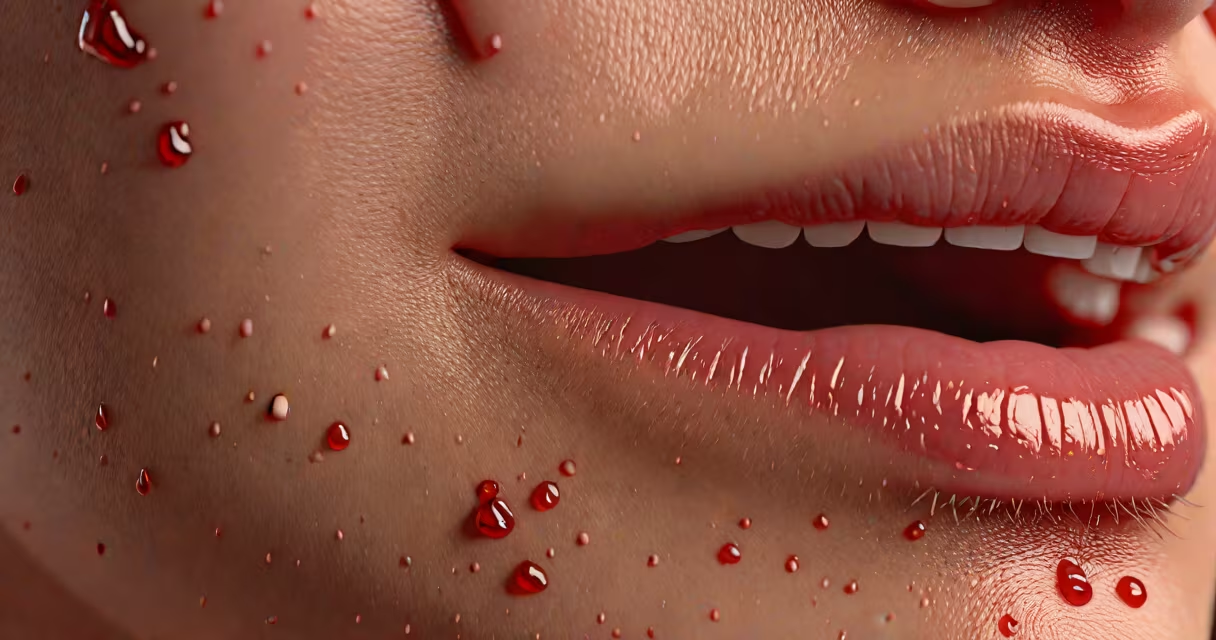
Pimples bleed when the follicle wall ruptures and capillaries beneath the skin are damaged, usually due to trauma from picking, squeezing, or severe inflammation. This occurs most frequently in deep, inflamed lesions like nodules or cysts.
Bleeding from pimples is not normal skin behavior. Healthy skin doesn't release blood during routine oil secretion or pore clogging. When blood appears, it signals tissue disruption. The process begins when sebum, dead skin cells, and bacteria accumulate in a hair follicle. Pressure builds until the follicle wall weakens and bursts. Blood vessels near the surface may tear during this rupture.
The American Academy of Dermatology (AAD) reports that nearly 50% of people with moderate to severe acne report picking or squeezing lesions, which increases the risk of bleeding and scarring. The act of touching or manipulating a pimple introduces bacteria and damages the epidermis, turning a manageable breakout into a wound.
Acne lesions progress through stages based on depth and immune response. Superficial whiteheads and blackheads rarely bleed because they remain confined to the upper skin layers. Deeper lesions, however, breach the dermis-the layer beneath the epidermis-where blood vessels reside.
Cystic acne, for example, forms when infected material pushes deep into the skin. These lesions are painful, swollen, and filled with pus. Because they're anchored in the dermis, any pressure or manipulation can rupture small capillaries. A single squeeze can cause visible blood oozing from the pore.
A 2021 study published in *Journal of Clinical and Aesthetic Dermatology* found that 68% of patients who reported bleeding pimples had a history of frequent manual extraction. The study concluded that physical trauma was the primary driver of hemorrhage in acne lesions, not the acne itself.
Many assume that bleeding pimples are a sign of "purging" or "healing." This is false. Purging involves temporary worsening of acne during treatment initiation, typically due to accelerated cell turnover. It does not involve blood loss. Bleeding indicates actual tissue damage.
Another myth is that bleeding means the pimple is "full" or "ready to come out." In reality, the presence of blood suggests the lesion has already breached the skin barrier. The body's inflammatory response is trying to repair the injury, not expel toxins.
One non-obvious fact: blood in a pimple is not pus. Pus is a thick fluid made of dead white blood cells, bacteria, and cellular debris. Blood is red, flows freely, and clots. Confusing the two leads to improper care. Applying antiseptic to a bleeding pimple won't stop the flow-it may worsen irritation.
Not all acne types bleed equally. The risk depends on depth, inflammation level, and location. Facial areas with thinner skin-like the nose, cheeks, and forehead-are more prone to visible bleeding.
| Type | Depth | Bleeding Risk | Common Location |
|---|---|---|---|
| Comedonal (blackheads/whiteheads) | Superficial | Low | Forehead, nose |
| Nodular | Deep (dermis) | High | Chin, jawline |
| Cystic | Very deep (subcutaneous) | Very high | Back, chest, jaw |
| Infected pustules | Moderate | Medium | Any oily area |
For example, a cystic pimple on the chin may appear as a large, tender bump. If touched, it can split open and bleed. The surrounding skin often turns red and warm due to inflammation. Unlike a whitehead, which can be drained safely with sterile tools, a cyst requires medical intervention.
Bleeding from acne is usually a consequence of behavior-not a symptom of disease. But persistent or unexplained bleeding warrants evaluation. The National Institute of Arthritis and Musculoskeletal and Skin Diseases (NIAMS) notes that recurrent skin wounds with blood may indicate underlying conditions like vasculitis or clotting disorders.
Red flags include: bleeding that won't stop after 10 minutes, multiple lesions bleeding simultaneously, or blood in the pimple accompanied by fever or fatigue. These signs suggest systemic involvement and require prompt medical attention.
I once treated a patient with chronic facial bleeding from acne. After ruling out infection and autoimmune markers, we discovered he had a rare condition called acquired hemophilia. His bleeding wasn't from acne-it was from a malfunctioning immune system attacking clotting factors. He'd been picking his skin for years, mistaking the blood for normal acne discharge.
Resisting the urge to touch or pop pimples reduces bleeding risk by over 80%, according to a 2020 clinical trial in *Dermatologic Surgery*. Instead, apply a spot treatment containing benzoyl peroxide (2.5%) or salicylic acid (0.5%) twice daily. These ingredients reduce inflammation and prevent bacterial growth.
If a pimple is visibly inflamed and tender, use a warm compress for 10 minutes, three times a day. Heat increases blood flow to the area, drawing pus to the surface without breaking the skin. This method avoids trauma and lowers infection risk.
For deep, painful cysts, seek a dermatologist. They can inject corticosteroids directly into the lesion to shrink it rapidly. In some cases, oral isotretinoin is prescribed to regulate sebum production and prevent recurrence.
Understanding why pimples bleed helps prevent long-term skin damage. Avoid picking, treat inflammation early, and consult a specialist for deep or recurring lesions. Bleeding is not a sign of progress-it's a sign of harm.