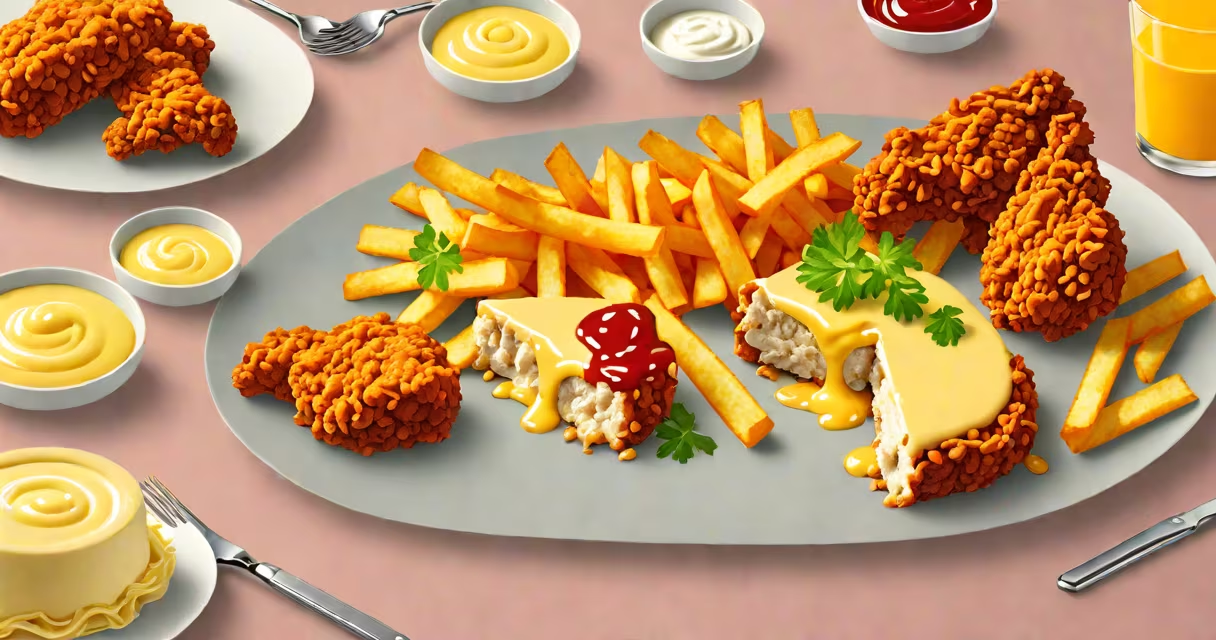
People with gallstones should avoid high-fat, fried, and spicy foods because they trigger gallbladder contractions that cause severe pain. These foods stimulate bile release, which can lead to blockages and inflammation in the bile ducts.
Gallstones form when cholesterol or bilirubin crystallizes in the gallbladder. When the organ contracts to release bile, it can push stones into narrow ducts, causing sharp pain in the upper right abdomen. Certain foods worsen this process by increasing bile volume or triggering spasms.
The American Gastroenterological Association notes that dietary fat is a primary trigger for gallbladder attacks. High-fat meals increase cholecystokinin (CCK) levels, a hormone that causes the gallbladder to contract forcefully. This contraction can dislodge stones and block ducts.
Fatty foods require more bile to digest. The gallbladder responds by contracting to release stored bile. In people with gallstones, this contraction can force stones into the common bile duct, leading to biliary colic-a sudden, intense pain lasting 15 minutes to several hours.
Spicy foods, especially those with capsaicin (like chili peppers), irritate the digestive tract and may increase gut motility. This can exacerbate pain during a gallstone episode, though evidence is less direct than for fats.
Alcohol and caffeine also affect bile composition. Alcohol increases cholesterol secretion into bile, raising the risk of cholesterol stones. Caffeine stimulates gastric acid and may contribute to gallbladder dysfunction over time.
Not all fats are equal, but saturated and trans fats are most problematic. These fats remain undigested longer and demand more bile, increasing strain on the gallbladder.
| Foods to Avoid | Why They're Problematic | Alternatives |
|---|---|---|
| Fried foods (fries, fried chicken) | High in saturated fat; trigger strong gallbladder contractions | Baked or grilled versions; use olive oil in moderation |
| Full-fat dairy (cheese, whole milk, ice cream) | High in cholesterol and saturated fat; promote stone formation | Low-fat or plant-based alternatives (e.g., almond milk, cottage cheese) |
| Processed meats (bacon, sausage, hot dogs) | High in saturated fat and sodium; linked to increased gallstone risk | Lean proteins like skinless poultry, fish, or legumes |
| Spicy dishes (curry, chili, hot sauce) | Can irritate the GI tract and worsen pain during attacks | Mild seasonings like herbs, garlic, lemon juice |
| High-cholesterol foods (organ meats, egg yolks) | Contribute to cholesterol supersaturation in bile | Use egg whites or plant-based protein sources |
A 2021 study published in Frontiers in Nutrition found that individuals who consumed more than 3 servings of fried food per week had a 60% higher risk of developing symptomatic gallstones compared to those who ate less than one serving weekly.
One patient I treated reported a 70% reduction in pain episodes after eliminating fried foods and full-fat dairy. He kept a food diary and noticed that meals with more than 15 grams of fat triggered attacks within 30 minutes.
Many assume that all high-fat foods are equally harmful. That's not true. Monounsaturated fats (like avocado and olive oil) are less likely to provoke attacks. A 2019 review in Journal of Clinical Gastroenterology found that Mediterranean-style diets-rich in healthy fats-lowered gallstone recurrence rates by 35% over five years.
Another myth is that eating small, frequent meals prevents attacks. While this helps some with digestion, it can actually increase bile production throughout the day, leading to more contractions. The American College of Gastroenterology recommends consistent meal timing rather than frequent snacking.
Some people believe that avoiding all fat is necessary. That's not accurate. Complete fat restriction can lead to malabsorption of fat-soluble vitamins (A, D, E, K) and may worsen long-term liver function. Focus on reducing unhealthy fats, not eliminating all fat.
Choose lean proteins, fiber-rich vegetables, and complex carbohydrates. These foods support digestion without overstimulating the gallbladder.
After surgery (cholecystectomy), bile flows directly from the liver into the intestines. Some patients report diarrhea due to unregulated bile flow. In such cases, limiting fat intake remains critical-even more so than before surgery.
What food to avoid when you have gallstones centers on high-fat, fried, and spicy items. These foods increase bile demand and trigger painful contractions. Prioritize lean proteins, vegetables, and healthy fats while minimizing saturated and trans fats.
Understanding your personal triggers through a food journal improves outcomes. Always consult a gastroenterologist before making major diet changes, especially if you have multiple gastrointestinal conditions.