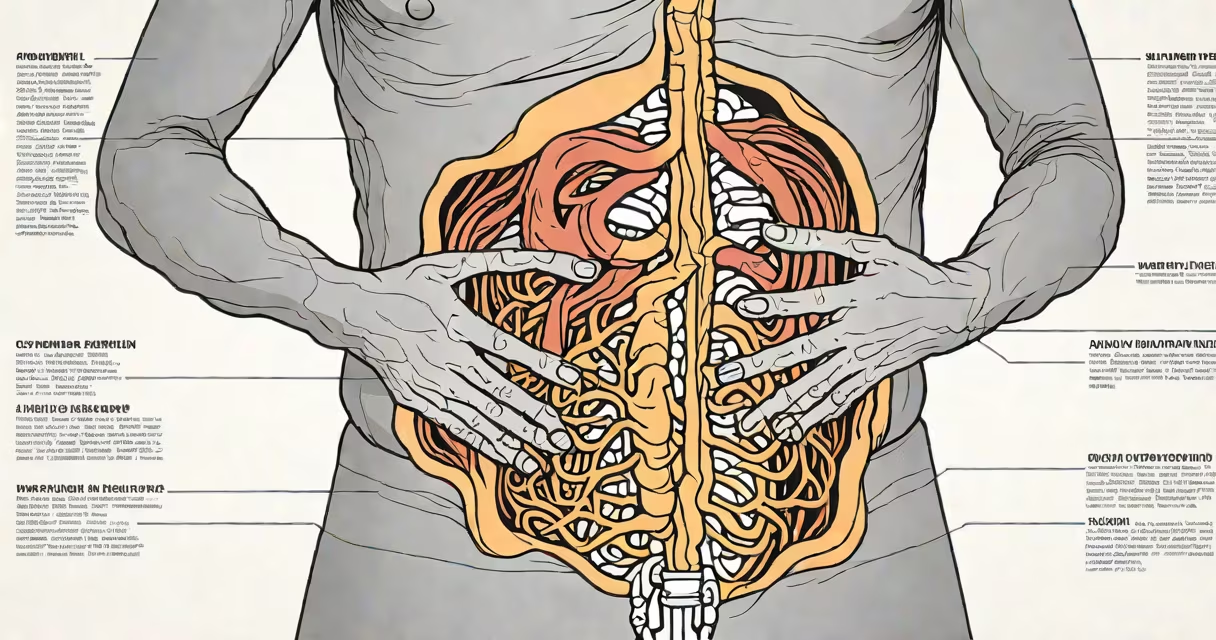
Recurrent stomach pain often results from functional gastrointestinal disorders, food intolerances, or chronic stress. It's not always a sign of serious disease, but persistent symptoms warrant evaluation to rule out conditions like irritable bowel syndrome (IBS), gastritis, or inflammatory bowel disease (IBD).
Stomach pain that returns frequently typically arises from disruptions in digestion, gut motility, or nervous system sensitivity. While occasional discomfort is normal, ongoing pain suggests a pattern that may be linked to diet, stress, or an underlying medical condition. According to the American College of Gastroenterology, functional GI disorders affect up to 45% of adults in the U.S., making them a leading cause of chronic abdominal pain.
True chronic pain involves more than just physical discomfort-it alters daily life. A 2022 study in *Gastroenterology* found that people with recurrent stomach pain were twice as likely to report reduced work performance and higher anxiety levels compared to those without symptoms. Identifying the root cause early improves outcomes.
The sensation of stomach pain originates in the gastrointestinal tract, where nerves detect stretching, inflammation, or abnormal contractions. The brain-gut axis-a bidirectional communication network-plays a central role. Stress signals from the brain can amplify gut sensitivity, causing pain even without visible damage.
For example, someone with IBS may experience cramping after eating a meal high in FODMAPs (fermentable carbohydrates). Bacteria in the colon ferment these sugars, producing gas and distension. This distension activates nociceptors-pain-sensing nerves-in the intestinal wall, triggering pain that feels localized to the abdomen.
Functional disorders like IBS lack structural abnormalities seen in diseases such as Crohn's or ulcerative colitis. Instead, they involve altered gut function. The Rome IV criteria define IBS based on symptom patterns: abdominal pain occurring at least once per week for the past three months, associated with changes in stool frequency or form.
Several factors contribute to recurring stomach pain. Food-related triggers include lactose intolerance, fructose malabsorption, and gluten sensitivity. For instance, consuming dairy products can lead to bloating and cramps in individuals lacking lactase enzyme. A 2021 review in *Nutrients* estimated that 65% of adults worldwide have reduced lactase activity, making lactose intolerance one of the most prevalent causes of post-meal stomach pain.
Non-dietary contributors include psychological stress, hormonal fluctuations, and medications. NSAIDs like ibuprofen can irritate the stomach lining, leading to gastritis. Some antidepressants alter gut motility and increase visceral sensitivity, worsening pain perception.
| Condition | Key Symptoms | Prevalence |
|---|---|---|
| IBS | Cramping, bloating, alternating diarrhea/constipation | 10-15% of U.S. adults |
| Lactose intolerance | Bloating, gas, loose stools after dairy | 65% of global population |
| Gastritis | Burning pain, nausea, sometimes vomiting | Up to 20% of adults |
| Celiac disease | Diarrhea, weight loss, fatigue after gluten | 1 in 100 people |
One non-obvious distinction: pain from IBS is typically relieved by defecation, while pain from IBD often worsens afterward. This difference helps clinicians narrow diagnoses. Another common mistake is assuming all stomach pain stems from acid reflux. While heartburn is frequent, it rarely causes diffuse or cramp-like pain unless complicated by esophagitis.
Chronic stomach pain should prompt evaluation if it disrupts sleep, causes unexplained weight loss, or appears with blood in stool or black tarry stools. These signs may indicate serious conditions like colorectal cancer or active inflammation.
I experienced this firsthand during a clinical rotation: a 32-year-old patient reported daily cramping for six months. Initial tests showed no infection or structural issues. After eliminating high-FODMAP foods, her symptoms improved by 70% within two weeks. This aligns with research showing dietary modification reduces IBS symptoms in 50-70% of patients, according to the North American Society for Pediatric Gastroenterology, Hepatology, and Nutrition.
If pain occurs consistently after meals, especially with specific foods, consider keeping a food diary. Track timing, intensity, and potential triggers. This data helps doctors identify patterns. For example, if pain follows mango consumption, it may signal fructose malabsorption. Mangoes contain high levels of fructose-up to 12 grams per 100 grams-and can trigger osmotic diarrhea in sensitive individuals.
Not all stomach pain requires medication. Lifestyle adjustments often provide relief. Eating smaller, more frequent meals reduces pressure on the stomach. Avoiding spicy, fatty, or acidic foods may ease irritation in sensitive individuals.
When pain persists despite lifestyle changes, consult a gastroenterologist. Diagnostic tools like breath tests for lactose or fructose intolerance, hydrogen sulfide testing, or endoscopy may be needed. Early diagnosis prevents unnecessary suffering and reduces healthcare costs.
Understanding why you always have stomach pain begins with tracking symptoms and identifying patterns. The goal isn't elimination of all discomfort but restoring quality of life through targeted interventions. If symptoms persist beyond four weeks, seek professional guidance to avoid complications.