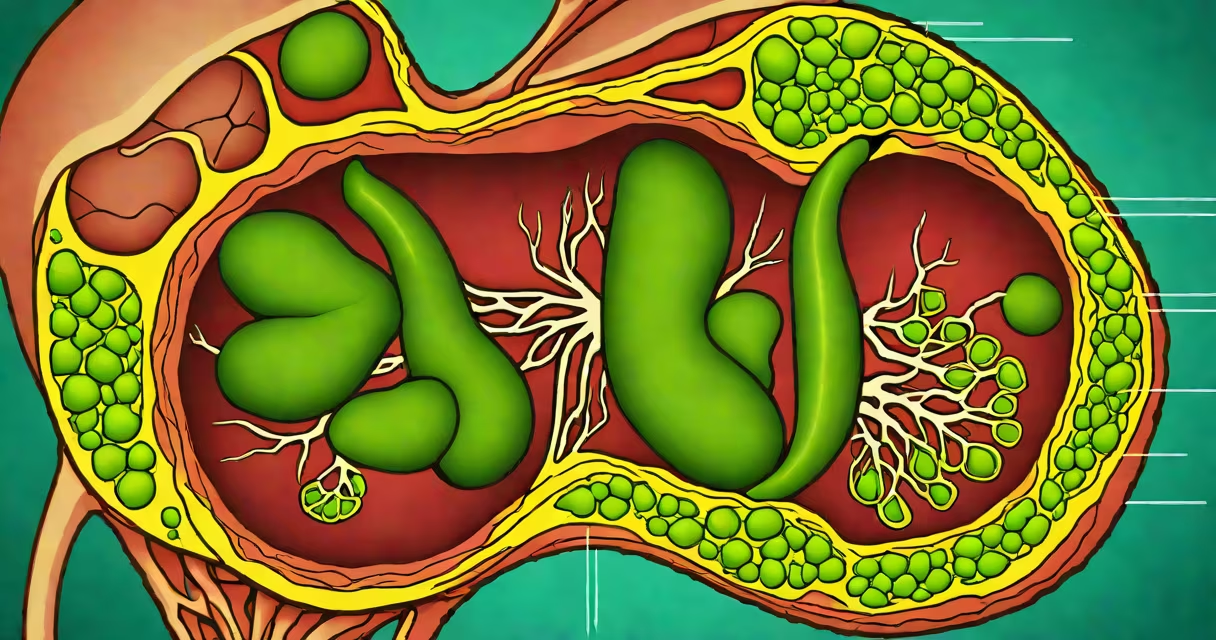
No, the gallbladder is not located inside the liver. It is a small, pear-shaped organ attached to the underside of the liver, where it stores and concentrates bile produced by the liver for digestion.
The gallbladder lies in a shallow depression on the liver's inferior surface, specifically in the right upper quadrant of the abdomen. It is not embedded within liver tissue but rests adjacent to it, connected via the cystic duct to the common hepatic duct. This anatomical arrangement allows bile to flow from the liver into the gallbladder for storage and later release into the small intestine during meals.
According to the National Institute of Diabetes and Digestive and Kidney Diseases (NIDDK), the gallbladder's primary role is to concentrate bile by removing water and electrolytes-increasing its potency by up to fivefold. Without this concentration step, bile would be too diluted to effectively emulsify fats in the small intestine.
Bile is continuously produced by hepatocytes-the functional cells of the liver-at a rate of approximately 500 to 1000 mL per day. This bile travels through intrahepatic ducts into the common hepatic duct, then splits into two paths: one continues to the duodenum, and the other feeds into the gallbladder via the cystic duct.
When fat-rich food enters the small intestine, the hormone cholecystokinin (CCK) triggers the gallbladder to contract. This forces stored bile into the common bile duct and then into the duodenum. A single contraction can expel up to 30 mL of concentrated bile-enough to process a moderate-fat meal.
For example, after eating a grilled salmon fillet (about 15 grams of fat), the gallbladder releases bile to break down triglycerides into fatty acids and monoglycerides. Without this mechanism, fat absorption drops by up to 60%, leading to steatorrhea-fatty, foul-smelling stools.
The gallbladder and liver share a close relationship but are distinct structures. The liver weighs about 1.4 kg in adults and performs over 500 metabolic functions, including detoxification, protein synthesis, and glucose regulation. The gallbladder, by contrast, weighs less than 50 grams and serves only one purpose: bile storage and release.
Key differences between the two organs:
| Feature | Liver | Gallbladder |
|---|---|---|
| Weight | ~1.4 kg | <50 g |
| Primary function | Bile production, metabolism, detox | Bile storage and concentration |
| Location | Right upper quadrant, dominates central area | Under liver, near gallbladder fossa |
| Size | Large, lobulated structure | Small, sac-like |
Despite their proximity, they are separated by connective tissue and have different blood supplies. The liver receives oxygenated blood from the hepatic artery and deoxygenated blood from the portal vein. The gallbladder gets its blood supply from the cystic artery-a branch of the right hepatic artery.
A frequent misunderstanding is that the gallbladder is part of the liver because both are involved in bile processing. However, the liver produces bile; the gallbladder stores it. Confusing the two leads to incorrect assumptions about disease symptoms and treatment.
For instance, gallstones form in the gallbladder-not in the liver. They develop when bile becomes supersaturated with cholesterol or bilirubin. According to the American Gastroenterological Association, gallstones affect about 10% of adults in the U.S., with most forming in the gallbladder cavity. Liver disease may alter bile composition, but stones do not originate there.
Another misconception: people often assume that removing the gallbladder affects liver function. In reality, the liver continues producing bile normally after cholecystectomy. The difference is that bile flows directly from the liver into the intestine rather than being stored. Most patients adapt within weeks, though some report increased bowel movements after high-fat meals.
I once reviewed the medical records of a patient who believed her gallbladder was inside her liver due to a misinterpreted ultrasound report. She experienced pain under her right ribcage and assumed it was liver-related. After a CT scan confirmed gallstones and a normal liver, she underwent laparoscopic cholecystectomy. Post-surgery, her pain resolved completely. Her confusion stemmed from conflating organ location with symptom origin.
This case illustrates why understanding anatomical relationships matters. Pain in the right upper quadrant can stem from either organ, but the underlying cause differs. Liver issues often involve jaundice, fatigue, or elevated liver enzymes. Gallbladder problems typically present with biliary colic-sudden, intense pain after eating fatty foods.
Knowing that the gallbladder is not in the liver corrects a widespread error. It is a separate organ, important for fat digestion, and its removal doesn't impair liver function. Understanding this distinction supports better health decisions and accurate communication with healthcare providers.